Window Tinting Service: Benefits, Options, and Tips for Choosing the Right Solution

Introduction to Professional Window Tinting
Windows play an important role in the comfort, appearance, and functionality of vehicles, homes, and commercial buildings. While natural light creates a welcoming environment, excessive sunlight can increase indoor temperatures, cause glare, fade furniture, and reduce privacy. Professional window tinting offers a practical solution by applying a specialized film to glass surfaces to help control sunlight, improve comfort, and enhance the overall appearance of a property or vehicle. With various shades, materials, and performance levels available, window films can be selected according to individual preferences, environmental conditions, and specific functional requirements.
A professionally installed window tinting service can provide several advantages beyond simply changing the appearance of glass. Depending on the film selected, it may help reduce solar heat, filter ultraviolet radiation, minimize distracting glare, and protect interior surfaces from premature fading. Modern window films are available in different technologies, including dyed, carbon, ceramic, and metalized options, each offering distinct benefits and limitations. Understanding these differences allows customers to make informed decisions and select a solution that provides the right balance of appearance, performance, durability, and affordability. Whether the goal is to create a more comfortable driving experience or improve the indoor environment of a building, professional installation can make a noticeable difference.
Understanding How Window Tinting Works
Window tinting involves applying a thin, specially manufactured film to the interior surface of glass. These films are designed to influence how sunlight passes through a window by absorbing or reflecting certain portions of solar energy. Depending on the product, the film may reduce visible light transmission, limit ultraviolet radiation, and help control infrared energy associated with solar heat. The exact performance depends on the film’s construction, thickness, optical properties, and intended application. Although darker films may reduce visible brightness, darkness alone does not determine how effectively a film controls heat or blocks ultraviolet rays.
Modern window films are engineered to meet different requirements, making them suitable for automotive windows, residential properties, office buildings, storefronts, and other glazed surfaces. Some products emphasize heat rejection while maintaining a relatively clear appearance, whereas others prioritize privacy, decorative effects, or glare reduction. Certain films also incorporate scratch-resistant coatings to help protect their surfaces during everyday use. Before choosing a product, customers should consider the type of glass, the amount of sunlight the windows receive, the desired appearance, and any applicable installation restrictions. Selecting an appropriate film helps ensure that the finished result meets practical expectations without compromising visibility or glass performance.
Major Benefits of Professional Window Tinting
One of the main advantages of window tinting is improved indoor comfort. Sunlight entering through untreated glass can increase indoor temperatures, especially in rooms with large windows or substantial afternoon exposure. Suitable solar-control films can reduce the amount of heat entering a space, helping maintain a more consistent indoor environment. In vehicles, this benefit may make driving more comfortable during hot weather by reducing the intensity of sunlight entering the cabin. The extent of the improvement depends on the film’s performance characteristics, window size, orientation, and other factors affecting heat gain.
Another important advantage is ultraviolet protection. Prolonged exposure to ultraviolet radiation can contribute to the fading and deterioration of upholstery, carpets, dashboards, curtains, flooring, and other interior materials. Many quality window films block a substantial proportion of ultraviolet radiation, helping preserve interior surfaces over time. Glare reduction is also valuable because intense sunlight can make screens difficult to read and create discomfort for drivers, office workers, and people relaxing near windows. By reducing excessive brightness, a suitable film can improve visual comfort without necessarily making the glass excessively dark. These combined benefits make window films a practical investment for customers seeking greater comfort and better protection for their interiors.
Different Types of Window Tinting Films
Choosing the right film requires understanding the differences between the main products available on the market. Dyed window films are often among the more affordable options and use a layer of dye to create a darker appearance. They can improve privacy and reduce some glare, making them suitable for customers with straightforward requirements. However, their heat-rejection performance may be lower than that of advanced alternatives, and some products may gradually fade with prolonged exposure to sunlight. Their suitability therefore depends on the customer’s priorities and expectations for long-term performance.
Carbon films offer another option by using carbon-based materials to improve solar control and maintain a relatively stable appearance. They are often selected for their balance of performance, appearance, and durability. Metalized films contain reflective metallic particles that can help reject solar energy, but these materials may interfere with radio signals, mobile reception, or certain electronic systems depending on their construction. Ceramic films use advanced ceramic particles to provide strong solar-control performance while maintaining good optical clarity. They can be particularly appealing to customers who want heat reduction without choosing an extremely dark tint. Since product quality varies between manufacturers, comparing technical specifications and warranty coverage is more useful than relying on film category alone.
Automotive Window Tinting for Greater Driving Comfort
Automotive window tinting is a popular option for drivers who want to improve cabin comfort, reduce glare, and enhance their vehicle’s appearance. During sunny weather, sunlight entering through side windows can create uncomfortable heat and make the interior feel warmer. Suitable films can reduce solar energy entering the vehicle and help limit the amount of ultraviolet radiation reaching the seats, dashboard, and other interior surfaces. These benefits may be especially valuable for vehicles that spend long periods outdoors or are frequently driven during daylight hours.
Window tinting can also improve privacy by making it more difficult for people outside the vehicle to see into certain areas of the cabin. However, the degree of privacy depends on the film’s visible light transmission, lighting conditions, and viewing angle. A dark film does not necessarily provide complete privacy, particularly at night when the interior is illuminated. Drivers should also consider visibility and road safety when selecting a tint, especially for windows used to observe traffic and pedestrians. Before installation, it is important to confirm the legal requirements that apply to the vehicle’s windows. A professional installer can help identify suitable products that balance appearance, comfort, and safe visibility.
Residential Window Tinting for Comfortable Living Spaces
Residential window films can improve the comfort and usability of homes by helping manage sunlight, glare, and heat gain. Rooms with large windows often experience uneven temperatures because sunlight heats certain areas more intensely than others. This can make living rooms, bedrooms, kitchens, and home offices less comfortable during sunny periods. Suitable solar-control films can reduce excessive heat entering through the glass, potentially helping the building maintain more consistent indoor temperatures. Depending on the home and the film selected, this may also reduce some of the demand placed on air-conditioning systems.
Privacy is another reason homeowners consider window films. Decorative, frosted, and selected reflective films can help limit direct views into particular rooms while preserving useful daylight. However, reflective privacy films may provide less privacy at night when indoor lighting is brighter than outdoor lighting. Customers should therefore understand the difference between daytime privacy and privacy that remains effective after dark. Window films can also help reduce ultraviolet exposure to furnishings, artwork, wooden floors, and decorative materials. Before installing a film, homeowners should ensure that the product is suitable for the specific glass type, particularly where insulated or specially treated windows are involved. Correct product selection helps prevent compatibility issues and supports reliable long-term performance.
Commercial Window Tinting for Offices and Businesses
Commercial window tinting can benefit offices, retail stores, restaurants, medical facilities, and other business premises with extensive glazing. Large windows can create bright, attractive interiors, but excessive sunlight may cause glare on computer screens, increase cooling requirements, and make certain workspaces uncomfortable. Solar-control films help businesses manage these issues while maintaining access to natural light. By reducing glare and limiting solar heat gain, suitable films can contribute to a more comfortable working environment for employees and customers.
Businesses may also use window films to improve privacy in meeting rooms, consultation spaces, and areas where sensitive information is discussed. Frosted or decorative films can separate visual zones without requiring permanent partitions or major changes to the building’s design. In retail environments, certain films may help protect merchandise from ultraviolet exposure, although product-specific testing is needed to understand the level of protection provided. Commercial installations should account for the building’s glazing system, orientation, appearance requirements, and energy-management goals. A qualified installer can assess these factors and recommend a solution that supports the business’s operational needs while maintaining an attractive exterior.
The Importance of Professional Installation
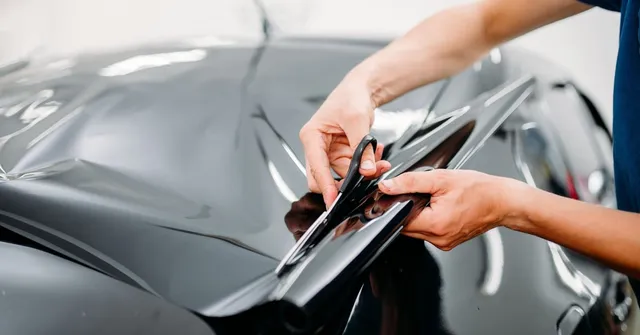
The quality of installation has a significant impact on the appearance, performance, and lifespan of window film. Even a high-quality product can produce disappointing results if the glass is not properly cleaned, the film is cut inaccurately, or the application process introduces dust and air bubbles. Professional installers use specialized tools and techniques to prepare the glass, measure the required dimensions, trim the film, and apply it evenly. Careful preparation is particularly important because small particles trapped between the film and glass can remain visible after installation and affect the finished appearance.
A professional window tinting service generally begins with an assessment of the customer’s needs, the type of glass, and the desired film characteristics. The installer can then explain the available options, discuss expected performance, and identify any limitations associated with the selected product. During installation, the glass is cleaned thoroughly, the film is carefully positioned, and excess moisture is removed using appropriate tools. Afterward, the film requires a curing period during which residual moisture evaporates and the adhesive bonds more fully to the glass. Customers should follow the installer’s aftercare instructions and avoid cleaning the newly tinted surface until the recommended waiting period has passed. Proper installation and maintenance help produce a cleaner finish and improve long-term reliability.
Factors to Consider When Choosing a Window Tinting Provider
Selecting a reliable installer is essential for achieving a professional finish and avoiding unnecessary expenses. Customers should look for providers with relevant experience, a strong reputation, suitable equipment, and familiarity with the type of windows involved. Automotive installations, residential glazing, and large commercial projects may require different skills and installation methods, so experience in the appropriate application is particularly important. Reviewing customer feedback and examining examples of completed work can provide useful information about the provider’s workmanship and attention to detail.
It is also advisable to compare film specifications, product warranties, installation coverage, and the services included in each quotation. A low price may appear attractive, but it does not always represent the best long-term value if the film fades quickly, develops defects, or requires premature replacement. Customers should ask about visible light transmission, ultraviolet protection, solar heat rejection, reflectivity, and any restrictions associated with the selected film. Written quotations should clearly identify the product and explain the work to be completed. A dependable provider will answer questions directly, avoid unrealistic performance promises, and help customers understand the advantages and limitations of different options before making a decision.
Understanding Window Tinting Costs and Value
The cost of window tinting depends on several factors, including the type of film, the size and number of windows, the complexity of the installation, and the condition of the existing glass. Automotive tinting prices may vary according to vehicle size, window shape, and whether old film must be removed before new material can be installed. Residential projects are influenced by the total glazed area, window accessibility, glass specifications, and the type of film selected. Commercial installations may involve additional considerations, such as working at height, coordinating with business operations, and installing film across large or irregularly shaped windows.
Although premium films often have a higher initial price, they may provide better durability, more effective solar control, and longer warranty coverage than lower-cost alternatives. The best option depends on the customer’s objectives rather than price alone. For example, a vehicle owner who primarily wants improved appearance may have different requirements from a homeowner seeking substantial heat reduction or a business aiming to reduce glare across a large office. Requesting a detailed quotation and comparing technical specifications can help customers understand what they are paying for. Evaluating the expected lifespan and practical benefits of the film provides a more meaningful assessment of value than selecting a product based exclusively on its upfront cost.
Maintaining Tinted Windows for Long-Term Performance
Proper maintenance helps preserve the appearance and performance of tinted windows after installation. During the initial curing period, the film may appear slightly cloudy or develop small moisture pockets as the remaining application solution evaporates. This can be a normal part of the process, although persistent bubbles, peeling edges, or other unusual defects should be discussed with the installer. Customers should avoid lowering newly tinted vehicle windows or cleaning the film before the recommended waiting period has elapsed, since premature contact may interfere with the adhesive bonding process.
Once the film has cured, tinted glass can generally be cleaned using a soft microfiber cloth and a suitable non-abrasive cleaning solution. Sharp tools, rough scouring pads, and harsh chemicals should be avoided because they may scratch the surface or damage the film’s protective coating. It is also important to follow the manufacturer’s recommendations regarding approved cleaning products. Periodically inspecting the film for discoloration, peeling, scratches, and edge damage can help identify issues before they become more noticeable. If a film begins to deteriorate, a professional can determine whether a localized correction is possible or whether replacement is the more practical solution. Consistent care helps maintain a clear appearance and protects the investment made in the installation.
Common Myths About Window Tinting
Several misconceptions about window tinting can lead customers to make unsuitable choices. One common belief is that darker films always provide better heat rejection. In reality, solar-control performance depends on the film’s technology and technical specifications rather than visible darkness alone. Some relatively light ceramic films can reject significant amounts of solar energy while preserving a clearer appearance. Customers should therefore compare documented performance figures instead of assuming that the darkest option will deliver the greatest comfort.
Another misconception is that every window film provides the same level of ultraviolet protection or that tinting makes glass completely unbreakable. Many quality films block a substantial proportion of ultraviolet radiation, but performance varies by product. Ordinary tinting film should also not be confused with specialized safety or security films, which are designed for different purposes and may require particular installation methods. Similarly, reflective films do not guarantee privacy under every lighting condition, and some metalized products can interfere with electronic signals. Understanding these distinctions helps customers select a product that meets their actual needs rather than relying on marketing claims or assumptions.
Conclusion: Making a Smart Investment in Window Tinting
Window tinting is a practical way to improve comfort, manage sunlight, reduce glare, and protect interior surfaces in vehicles, homes, and commercial buildings. With a wide range of films available, customers can choose solutions that suit their preferences, environmental conditions, and functional requirements. From affordable dyed films to advanced ceramic options, each product offers a different combination of appearance, solar control, durability, and cost. Understanding these differences is essential for selecting a solution that provides meaningful benefits without compromising visibility or glass compatibility.
Investing in professional installation helps ensure that the selected film is applied correctly and performs as intended. Customers should compare product specifications, review warranty terms, verify applicable legal requirements, and choose an experienced installer who can explain the available options clearly. Regular cleaning and appropriate aftercare further contribute to the film’s appearance and lifespan. By making informed decisions about materials, installation, and maintenance, property owners and vehicle users can enjoy the practical advantages of tinted windows while improving the comfort, functionality, and appearance of their spaces.