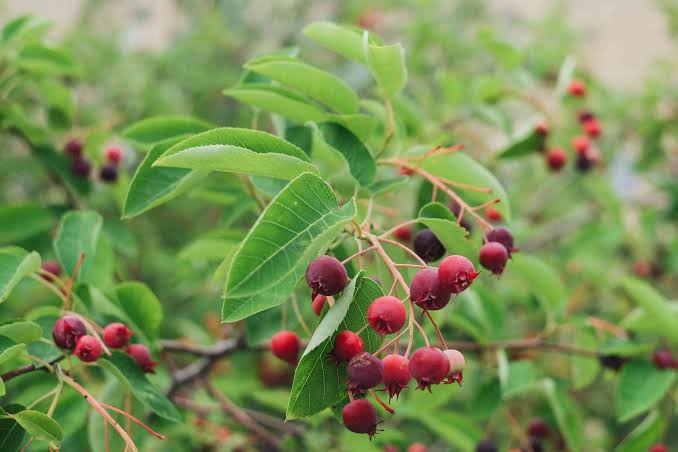

Buying trees online has become a practical option for homeowners, landscapers, and property managers across the United States. Nurseries now ship directly to consumers, and the selection available through online platforms often exceeds what local garden centers carry. Serviceberry trees, in particular, have seen consistent demand over the past several years, driven by growing interest in native plantings, wildlife-friendly yards, and low-maintenance landscaping.
But ordering a tree through a website is not the same as walking through a nursery and inspecting it in person. There are real gaps between what a product listing describes and what arrives at your door. For a tree with the specific growing requirements and site preferences of the serviceberry, those gaps can affect whether the tree establishes successfully or struggles from the start. Understanding what to look for before placing an order saves both money and planting season time.
1. Understand What You Are Actually Buying
Serviceberry is a broad category. The name refers to a group of deciduous trees and large shrubs within the genus Amelanchier, several of which are native to different regions of North America. When browsing a serviceberry tree for sale online, it is common to encounter listings that use the common name without specifying the exact species or cultivar. This matters because growth habit, mature size, fruit production, and regional adaptability vary significantly across species in this genus.
A reliable starting point for buyers is to consult a thorough Serviceberry Tree For Sale overview from a reputable nursery source before committing to a specific listing. Comparing what different providers describe—and what they omit—reveals a lot about their transparency and growing practices.
Species and Cultivar Distinctions
Common serviceberry species sold online include Amelanchier canadensis, Amelanchier laevis, Amelanchier x grandiflora, and Amelanchier alnifolia. Each has a different natural range, canopy structure, and fruiting behavior. A buyer in the Pacific Northwest may find Amelanchier alnifolia better suited to their conditions, while someone in the Mid-Atlantic region may do better with Amelanchier canadensis. Purchasing without knowing the species is essentially purchasing without knowing what the tree will become.
2. Regional Suitability Is Not a Formality
Serviceberry trees are native across much of the continental United States, but native range does not mean universally adaptable. Each species has preferred soil conditions, moisture tolerance, and climate compatibility. Ordering a tree grown in a mid-South nursery and planting it in a high-altitude Rocky Mountain yard introduces stress from the first growing season, even if both locations fall within the tree’s general hardiness zone.
Provenance and Source Location
Where a tree is grown before shipping affects how it responds to transplanting. Trees grown in conditions broadly similar to your planting site tend to establish more reliably. Some online nurseries disclose the origin or growing region of their stock. Others do not. Asking directly before purchasing is a reasonable step, and a reputable seller should be able to answer without difficulty.
3. Bare Root Versus Container Stock Matters for Timing
Online tree retailers typically offer serviceberry trees in one of two forms: bare root or container-grown. Bare root trees are dug during dormancy, shipped without soil, and need to be planted quickly after arrival. Container-grown trees arrive with an established root ball and offer slightly more flexibility in planting timing, though they still have a preferred planting window.
Matching Purchase Timing to Planting Readiness
Ordering bare root stock during late winter or early spring and then encountering a late freeze or soil that is not yet workable creates real risk. The tree cannot be held in transit or stored indefinitely without declining. Before ordering, confirm your average last frost date, assess whether your soil will be ready, and plan your site preparation in advance. Container stock gives more buffer, but it still performs best when planted during cooler shoulder seasons rather than midsummer heat.
4. Shipping Stress Is a Real Factor in Tree Health
A serviceberry tree for sale on a website and a serviceberry tree in your hands after shipping are two different things from a physiological standpoint. Shipping exposes trees to physical movement, temperature variation, and restricted airflow. Bare root trees are particularly vulnerable to root desiccation during transit. Even container-grown trees can arrive with broken branches, disturbed root balls, or soil that has compacted and dried significantly.
What to Look for Upon Arrival
Inspect the tree thoroughly as soon as it arrives. Check the root system on bare root trees for firmness and color. Roots that are dried, mushy, or dark throughout are a sign of transit damage. On container trees, look at the soil moisture level and examine whether the root ball is intact. Most reputable online nurseries have a replacement or refund policy for trees that arrive in poor condition, but this only applies if damage is documented promptly after delivery.
5. Soil Compatibility Should Be Assessed Before You Order
Serviceberry trees tolerate a range of soil types, but they perform best in well-drained, moderately acidic soils. Heavy clay soils that retain standing water, or sandy soils that dry out rapidly between rains, both present challenges. Before ordering a serviceberry tree for sale online, do a basic assessment of your planting site. This does not require a laboratory test—observing drainage behavior after rainfall and checking general soil texture gives enough information to make an informed decision.
Amending Soil Before Planting
If your site has drainage issues or extreme soil composition, amending before planting is more effective than trying to correct problems after the tree is in the ground. Mixing in organic matter improves both clay and sandy soil structure. Raised planting beds are an option for sites with persistent drainage problems. Setting the tree up with adequate soil conditions at the time of planting reduces the stress load during the critical first-year establishment period.
6. Sunlight Requirements Affect More Than Growth Rate
Serviceberry trees are considered adaptable in terms of light exposure, capable of growing in full sun to partial shade. However, fruit production—one of the primary reasons many people plant serviceberry—is closely tied to how much direct sunlight the tree receives. Trees planted in deep shade produce fewer flowers and substantially less fruit than those in open, sunny positions.
Planning the Planting Location
Consider adjacent structures, existing trees, and seasonal sun angle when selecting a planting site. A location that receives full afternoon sun in summer but is shaded by a building or large tree in spring may limit flowering and fruiting even if it looks open at other times of year. Identifying the right site before the tree arrives is more practical than relocating it after planting.
7. Wildlife Attraction Is an Asset and a Management Consideration
Serviceberry fruit is highly attractive to birds, and the tree is recognized by conservation groups including the National Wildlife Federation as a significant food source for native wildlife. For buyers specifically seeking to support bird populations, this is a primary benefit. For buyers who want to harvest fruit themselves, bird competition can be significant.
Balancing Wildlife and Harvest Goals
Netting is the most practical way to protect ripening fruit if personal harvest is the priority. Understanding this tradeoff before planting avoids frustration later. Serviceberry fruit ripens quickly once it starts, often within a few weeks in early summer, so readiness and monitoring matter more than elaborate protective systems.
8. Online Listings Vary Widely in Quality and Transparency
Not all online nurseries maintain the same growing standards or provide the same level of product information. A listing for a serviceberry tree for sale may include age, size, species, and growing region—or it may only include a common name and a photo. The difference in information quality often reflects the difference in nursery practice quality.
Red Flags in Online Tree Listings
Generic stock photography, vague descriptions that apply to any deciduous tree, no mention of species, and no clear shipping or return policy are all signs worth taking seriously. A nursery confident in its growing practices and product quality typically provides detailed, specific information because that information helps buyers make successful purchases, which supports long-term customer relationships.
9. First-Year Care Determines Long-Term Establishment
The first growing season after transplanting is the period of highest vulnerability for any tree. Serviceberry trees are reasonably resilient, but newly planted specimens still require consistent moisture, protection from physical damage, and monitoring for early stress signs. Many online buyers underestimate the post-planting commitment required for successful establishment.
Watering and Mulching Fundamentals
Consistent watering during dry periods in the first year is the single most impactful thing a buyer can do to support tree health. A mulch ring around the base of the tree reduces soil moisture loss, moderates root zone temperature, and limits competition from grass and weeds. Staking is only necessary if the site has persistent high wind exposure—otherwise it can restrict the natural trunk movement that promotes structural strength.
10. Price Should Reflect Quality, Not Just Convenience
The range of prices for a serviceberry tree for sale online is wide. Discount pricing may reflect smaller tree size, lower quality growing practices, reduced species specificity, or minimal post-sale support. This does not mean premium pricing guarantees quality, but a price that seems significantly below market often signals a tradeoff somewhere in the process—whether in the stock itself, the shipping method, or the condition of the tree upon arrival.
Evaluating Value Beyond the Sticker Price
Consider the full cost of a failed planting: the replacement tree, the replanting labor, and the lost growing season. A tree that costs more upfront but arrives healthy, is correctly species-labeled, and is grown in appropriate regional conditions represents better value in most cases than a cheaper option that underperforms or dies in the first year.
Closing Thoughts
Buying a serviceberry tree online is a legitimate and practical option for buyers across the United States. The species itself is a sound long-term investment in a property—native, low-maintenance, ecologically valuable, and visually appealing across multiple seasons. But the convenience of online purchasing does not reduce the importance of due diligence before the order is placed.
Species identification, regional suitability, shipping form, site preparation, and seller transparency are not secondary concerns. They are the factors that determine whether a serviceberry tree for sale becomes a thriving part of your property or a replanting project in year two. Taking the time to research these points before ordering is the straightforward way to protect both the investment and the planting season.
The serviceberry is a tree worth getting right. Approach the purchase with the same deliberateness you would apply to any lasting addition to a property, and the outcome will reflect that care.