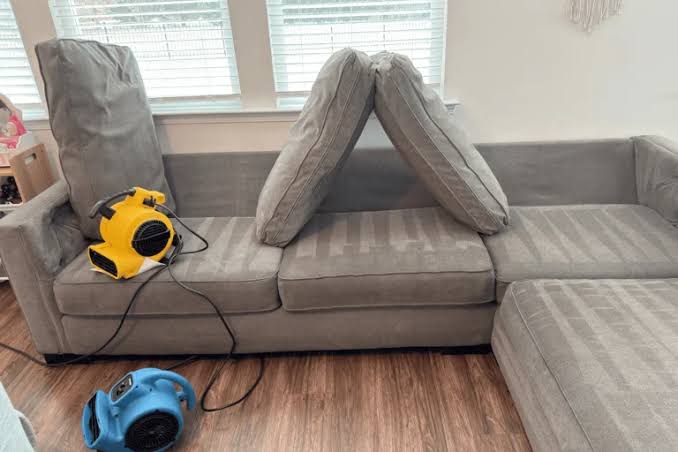

The Grey Water Moment
Anyone who has watched a sofa get deep cleaned remembers one thing: the water. It goes in clear. It comes out the color of weak coffee. Sometimes worse.
Most owners stare at the tank in quiet horror. Then comes the question – wait, I’ve been sitting on that?
Yes. Every evening. It’s the kind of discovery that turns a casual search for upholstery cleaning raleigh into an actual booking, so it’s worth knowing what’s in that murky water before deciding whether a sofa really
needs it.
Layer One: What Sits on Top
The surface layer is the easy part. Loose dust, pet hair, crumbs, lint from clothes. A decent vacuum handles most of it.
Dry Soil
Cleaners talk a lot about “dry soil” – fine particles of sand, grit and dust. Sounds harmless. It isn’t. Under magnification those particles have sharp edges, and every time someone sits down they grind against the fibers like tiny sandpaper. That’s why the favorite seat looks tired years before
the rest of the sofa.
Layer Two: What’s Stuck to the Fibers
Here things get stickier. Literally.
Body Oils
Skin produces natural oil all day long. Arms, hands, necks, the back of the head – all of it rubs into armrests and headrests. Over months that oil oxidizes, darkens and turns into a magnet for dust. Those shiny dark patches on armrests aren’t stains in the usual sense. They’re build-up.
Old Spills
Coffee, wine, juice, the mystery one from that party. Even after careful blotting, sugars and tannins stay behind. Sugar residue is especially sneaky: it stays slightly tacky and grabs dirt, so a spot that seemed gone comes back weeks later as a grey ring.
Layer Three: What Lives Inside
This is the layer nobody sees, and the one that matters most for allergy sufferers.
Upholstered furniture is warm, soft and supplied with a steady buffet of skin flakes. Basically a five-star hotel for dust mites. The Asthma and Allergy Foundation of America lists dust mites among the most common indoor allergy triggers. The mites are microscopic; their droppings are the real
allergen, and those settle deep in the cushion.
Pet dander behaves the same way. People online often note that dander can linger in upholstery for months after a cat has moved out.
Quentin Crisp once joked that “after the first four years the dirt doesn’t get any worse.” Charming as a philosophy for a bachelor flat. Less charming for someone who sneezes every time they sit down.
Why Home Methods Leave Stuff Behind
DIY cleaning isn’t useless. It just tends to stop at layer one. The usual gaps:
- Sprays clean the top of the fabric but rarely rinse the residue out, so soap stays in and attracts fresh dirt faster
- Rental machines often push in too much water and pull out too little, leaving cushions damp for a day or longer
- Stiff brushes distort delicate weaves and can cause pilling
- Store-bought products don’t always suit the fabric, which leads to water rings or color bleeding
None of that means a sofa should never be touched at home. It just helps to know where home care ends.
What a Professional Visit Usually Involves
Methods depend on the fabric, but the general sequence looks something like this:
- Inspection – fabric type, cleaning code tag, colorfastness and problem zones.
- Dry vacuuming to lift loose soil before any moisture goes on.
- Pre-treatment of oily areas and specific spots with products matched to the fiber.
- Gentle agitation so the solution reaches deeper into the weave.
- Hot water extraction or a low-moisture method, depending on what the fabric tolerates.
- Grooming the fibers and speeding up drying with air movement.
Step five is where the grey water comes from. Without strong suction, dirt just gets relocated from one patch of fabric to another.
What It Won’t Remove
Worth being honest here. Cleaning removes dirt, not damage.
Sun fading stays. Worn-through spots stay. Some very old stains – especially ones attacked with the wrong product years ago – may lighten but not disappear. A good technician says so upfront instead of promising miracles.
William Morris left advice that still turns up on design blogs: “Have nothing in your houses that you do not know to be useful, or believe to be beautiful.” A sofa that gets cared for tends to stay in the second category a lot longer.
After the Tank Is Emptied
The water gets poured out, the cushions dry, and the sofa looks… like itself again. Brighter, softer, usually a shade lighter than its owner remembered.
The bigger change is invisible. Fewer allergens, no stale smell, fibers that aren’t being sanded down by grit every time someone collapses onto them after work.
And that grey water? Best not to dwell on it. Just remember it the next time the couch looks “fine.”