
Introduction
A building’s foundation is one of its most important structural components. It supports the weight of the entire structure and helps maintain long-term stability. Despite its strength, a foundation can be vulnerable to one persistent threat: water. When rainwater is not properly managed, it can collect around the base of a building, creating conditions that lead to structural deterioration, soil movement, moisture intrusion, and costly repairs.
Effective water diversion plays a crucial role in preventing these problems. By directing rainwater away from the structure and controlling how moisture moves across a property, homeowners and property managers can significantly reduce foundation-related risks. Understanding the ways water diversion protects foundations can help support better maintenance decisions and long-term property preservation.
Reduces Excess Moisture Around the Foundation
One of the primary benefits of effective water diversion is reducing the amount of moisture that accumulates around foundation walls. When rainwater repeatedly saturates the soil surrounding a building, the ground can become unstable and place increased pressure on structural components.
Gutters, downspouts, drainage systems, and properly graded landscaping help move water away from the immediate perimeter of the structure. This reduces prolonged exposure to excessive moisture and helps keep soil conditions more stable throughout the year.
Limiting water accumulation near the foundation can also reduce the likelihood of moisture infiltration into basements, crawl spaces, and other lower-level areas. As a result, the overall structural environment remains drier and better protected.
Managing surface water effectively is often one of the simplest and most impactful ways to support foundation longevity.
Helps Prevent Foundation Cracking
Foundation cracks can develop for many reasons, but excessive water exposure is often a contributing factor. When soil expands due to increased moisture levels and later contracts as it dries, repeated movement can place stress on foundation walls and slabs.
Over time, this cycle may result in visible cracking, shifting, or settlement issues. Small cracks can gradually expand if water continues to affect the surrounding soil conditions.
Effective water diversion minimizes these fluctuations by preventing large volumes of rainwater from saturating the area around the structure. More consistent soil conditions help reduce stress on the foundation and support greater structural stability.
While some minor settlement may occur naturally over the lifespan of a building, controlling water exposure can significantly reduce the risk of water-related foundation damage.
Improves Soil Stability Around the Building
The performance of a foundation is closely connected to the stability of the soil beneath and around it. When soil becomes oversaturated, its ability to support structural loads may be affected. In certain conditions, erosion and soil displacement can occur, weakening foundational support.
Proper drainage helps preserve soil integrity by directing runoff away from vulnerable areas. Features such as downspout extensions, drainage channels, French drains, and grading improvements all contribute to maintaining more consistent ground conditions.
Stable soil is especially important in regions that experience heavy rainfall or seasonal weather changes. By managing water movement effectively, property owners can help preserve the load-bearing characteristics of the surrounding ground.
Strong soil support contributes directly to the long-term performance and reliability of the foundation.
Minimizes Basement and Crawl Space Moisture
Water that accumulates near a foundation often finds its way into basements and crawl spaces. Moisture intrusion can damage building materials, create unfavorable environmental conditions, and increase maintenance requirements.
Effective water diversion systems help reduce hydrostatic pressure against foundation walls by limiting the amount of water surrounding the structure. Lower pressure reduces the likelihood of moisture penetrating through cracks, joints, or porous surfaces.
Dryer basement and crawl space conditions can also help protect insulation, flooring systems, framing materials, and stored belongings. In addition, reducing moisture levels may help improve indoor comfort and air quality throughout the building.
Protecting below-grade spaces is a key component of a comprehensive water management strategy.
Protects Landscaping While Supporting Drainage
Water diversion systems benefit more than just the structure itself. They also help preserve the surrounding landscape by managing runoff in a controlled manner.
Without effective drainage, rainwater can wash away soil, damage plant beds, remove mulch, and create uneven terrain. Excessive erosion near the building can expose foundation components and increase structural vulnerability.
Thoughtfully designed drainage solutions direct water toward designated discharge areas where it can be absorbed or managed safely. Swales, drainage channels, and strategic landscaping features can support both aesthetics and functionality.
Protecting landscaping and foundation systems simultaneously creates a more balanced and sustainable property environment.
Reduces the Risk of Structural Water Damage
Water management plays an important role in protecting multiple structural elements connected to the foundation. When drainage systems fail, water can affect siding, masonry, framing, and other critical building components.
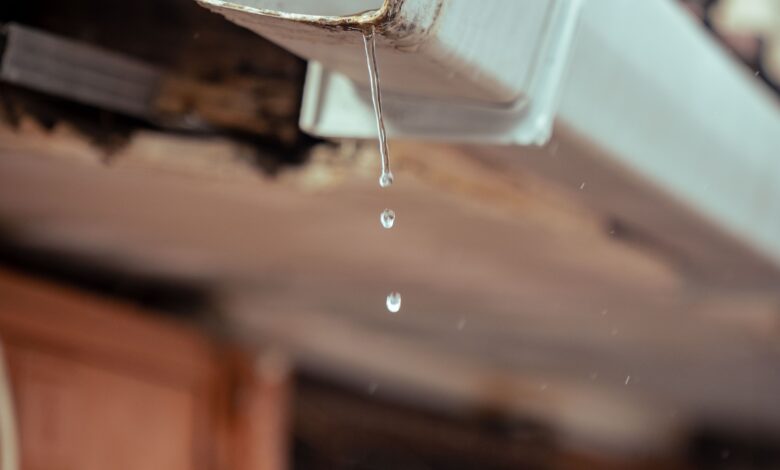
Roof drainage systems are particularly important because they collect and redirect large volumes of rainfall. Following severe storms, property owners often work with professionals who provide reputable storm damage roof repair services to restore roofing components and maintain effective water control. Proper roof drainage and water diversion work together to reduce the amount of runoff reaching foundation areas.
Limiting uncontrolled water movement helps reduce cumulative wear on the building and supports long-term structural durability.
Protecting the structure as a whole often begins with managing how water leaves the roof and travels across the property.
Supports Long-Term Maintenance Savings
Foundation repairs can be among the most expensive maintenance projects a property owner may face. Structural stabilization, crack remediation, waterproofing, and soil correction work can require significant financial investment.
Effective water diversion serves as a preventive measure that helps reduce the likelihood of these costly issues developing in the first place. Relatively modest investments in gutters, drainage improvements, grading adjustments, and routine maintenance can provide substantial long-term savings.
Preventive maintenance is often more affordable and less disruptive than major structural repairs. By addressing water management proactively, property owners can reduce the risk of future foundation-related expenses.
A strong drainage strategy represents an investment in both property protection and financial efficiency.
Enhances Long-Term Property Value
A well-maintained foundation contributes significantly to overall property value. Buyers, inspectors, and appraisers often pay close attention to signs of water intrusion, foundation movement, or drainage deficiencies when evaluating a property.
Homes and commercial buildings with effective drainage systems are generally better positioned to avoid visible water-related issues. This can improve buyer confidence and support stronger property marketability.
Water diversion systems demonstrate that a property has been cared for thoughtfully and maintained with long-term performance in mind. Reduced risk of structural problems can make the property more attractive to future owners and investors.
Protecting the foundation ultimately helps preserve the value of the entire building.
Conclusion
Effective water diversion is one of the most important strategies for protecting building foundations. By reducing excess moisture, preventing cracks, improving soil stability, minimizing basement intrusion, preserving landscaping, reducing structural damage, lowering maintenance costs, and supporting property value, proper drainage systems contribute to long-term building performance. Water may seem harmless during a routine rainstorm, but unmanaged moisture can create serious consequences over time. A proactive approach to water diversion helps ensure that foundations remain stable, durable, and protected for years to come.