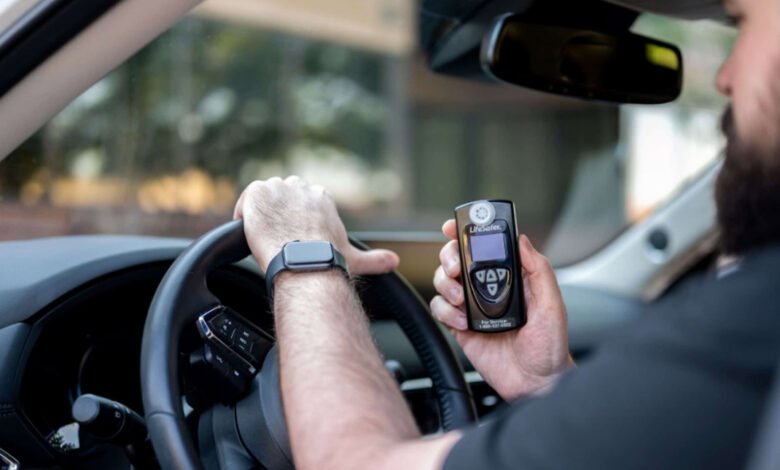

When counseling individuals who are currently serving a monitoring period for interlock offenses, most failures to complete an uneventful term of monitoring in good standing are NOT due to drinking. Instead, they are caused by a failure to comply with scheduled maintenance service, misapplication of the rolling retest provision, and occasional prohibited activity (such as use of a vehicle for work) that is recorded by the interlock and reported to the Monitoring Authority.
Installation sets the compliance baseline
As a practitioner, the installation is where the establishment of the appointment for the required service for the calibration of the device for the recording of the vehicle on the database for the commencement of the term for the monitoring of the driver for the particular offense for which the driver has been sentenced for the length of time for the term of the interlock device for the term for the monitoring of the driver, i.e. For the term of the interlock device for the term for the monitoring of the driver, for the term for the monitoring of the driver for the term of the interlock device occurs.
It is crucial to make sure three important points are met after having an interlock installed. First, the interlock needs to be an approved model on the State’s approved interlock list for the offense(s) committed. Second, the interlock needs to be installed on the exact date reflected on the State’s monitoring report (which is typically the date of installation). Third, confirmation needs to be obtained from the Installation Center as to whether a Certificate of Installation (COI) was transmitted to the monitoring center (as opposed to just being printed).
Vehicles that create problems
Engine types (such as hybrid cars, start stop vehicles, diesel cars with extended glow plug cycles) and aftermarket devices (such as remote starters) can cause frequent false tamper or circumvention events. Ask that the installer make a note of this in the file at installation so that we can investigate any unusual power cycles later to determine whether they were caused by your drinking or by the normal operation of your vehicle.
Servicing intervals are a compliance obligation, not a maintenance courtesy
Service visits scheduled for calibration verification and data download retrieval must be kept. An unpaid service visit to complete the required monitoring will not trigger a lockout event. The device will, however, enter a lockout condition within a 5-7 day window after the scheduled service date has passed. The occurrence of a missed service event is reported separately from the lockout event.
Most people mistakenly believe that if a lockout is removed from a vehicle prior to the completion of the term of the interlock program, that all violation(s) will be erased from the report and the term of the interlock will be completed as scheduled. In reality, missed intervals will show up on the monitoring authority’s report and subsequent violations will result in an extension of term for each additional lockout(s).
| Event | Typical device response | Reported to authority | Common consequence |
| Failed initial breath test | Temporary start lockout, escalating | Yes, with BAC value | Warning at low readings, extension at threshold |
| Missed rolling retest | Alarm, event logged | Yes | Treated as circumvention in several states |
| Missed service appointment | Permanent lockout after grace period | Yes | Term extension after repeat instances |
| Power disconnection | Tamper code logged | Yes, with timestamp | Requires documented explanation |
Testing behavior that triggers avoidable violations
Using a rolling retest rather than an initial start test can cause more recorded events as the prompt allows a limited response window. The majority of drivers take longer than this to prepare to provide a breath sample and thus exceed the window and get recorded for a failed test. Completing the test while driving and having a mouthpiece handy or pulling over and completing the test within the window is best practice.
It’s a real reading even if it came from non-beverage items like mouthwash, breath sprays, certain food items, etc. The important point is that you document all these right away to establish that the positive reading came from non-beverage items.
- Wait at least fifteen minutes after eating, smoking, or using any oral product before testing
- Rinse with water, never with anything containing alcohol
- If a fail is recorded, retest immediately rather than waiting out the lockout period
- Note the time and suspected cause in writing the same day
A single clean retest sample collected immediately after a positive sample results from contamination, such as from mouthwash, breath spray, fermented food or even old cough medicine containing alcohol, and can provide strong evidence to contradict a consumption result.
Documenting mechanical work
A repair that involves disconnecting the vehicle’s power will create a tamper event. The customer needs to inform the repairer that they are on an Interlock program prior to the repair. A written repair invoice with dates and times for the work needs to be kept by the customer and submitted to the monitoring authority prior to the service being done, do not wait until the follow up service and explain after the fact.
Reporting cycles and where drivers lose control of the record
Monitoring agencies using real time devices will typically receive notice of a violation within seconds of the event occurring. In some cases, violations will continue to be recorded and be visible to the monitoring agency within a short period of time.
Because the record moves that quickly, drivers should work with a service center that reports accurately and answers questions the same week, and anyone assigned to a Manassas Virginia VASAP interlock program is well served by confirming that their provider handles calibration data and violation explanations directly with the monitoring authority.
- Request copies of your own service reports at every visit
- Reconcile them against your recollection of any unusual event
- Raise discrepancies with the provider in writing within the reporting cycle, not after
The mistakes that repeat most often
Three interlock related behaviors that account for a majority of extended terms are, 1) having someone else blow for the interlock client; all installations now have camera enabled monitoring systems that can identify and notify the Monitoring Authority if another person has blown for the client (prosecutable in all jurisdictions); 2) driving a vehicle without the interlock installed; violations of this nature are typically discovered by the Monitoring Authority when the client is involved in another traffic stop; 3) removing the interlock prior to confirmation by the Monitoring Authority that the client has completed program requirements; in most jurisdictions this action will restart the term of the interlock for the client.
Confirm in writing any permission to remove an ignition interlock device. Keep a copy of all service reports. Remember, every logged event must be explained.