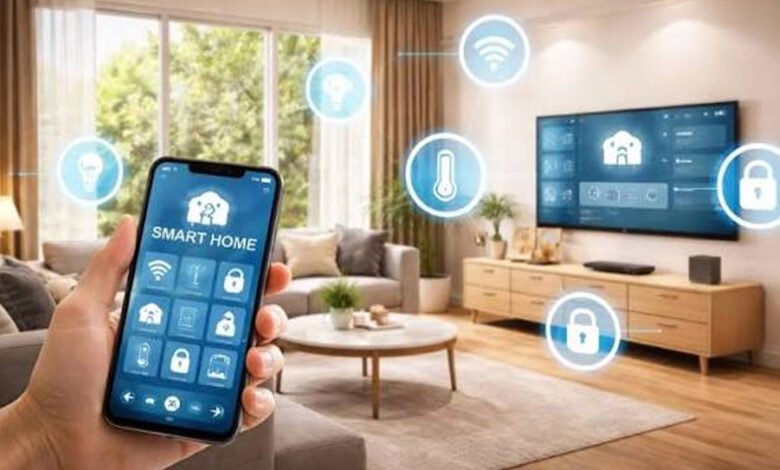

Modern residential technology has moved far beyond individual smart devices that perform one simple function. Homeowners can now connect lighting, climate systems, security equipment, entertainment devices, networking infrastructure, motorized shades, access controls, and other technologies into one coordinated environment. This type of integration can make everyday routines easier while giving homeowners greater control over how their property operates. Instead of manually adjusting several systems throughout the day, residents can use centralized controls, automated schedules, sensors, or customized scenes to manage multiple functions together. A properly planned smart home can respond to household routines while still allowing homeowners to make manual adjustments whenever necessary.
Working with an experienced home automation company can help homeowners develop a system that is practical, reliable, and designed around the property rather than simply filled with disconnected smart products. Professional automation involves evaluating network infrastructure, selecting compatible equipment, determining appropriate device placement, configuring controls, and programming routines that match the household’s lifestyle. A professional approach can also make future expansion easier because the system can be designed with additional devices and changing requirements in mind. When all components are planned as part of one solution, advanced technology can become easier to use and more valuable over the long term.
Understanding the Value of Home Automation
Home automation connects different technologies so they can be monitored, controlled, and coordinated through a central system or compatible interfaces. Depending on the homeowner’s goals, an automation setup may include smart lighting, thermostats, cameras, door locks, alarms, motorized shades, speakers, televisions, access controls, and network equipment. Users may control these systems through smartphones, tablets, touchscreens, voice commands, remote controls, or programmed schedules. The goal is to make the property more responsive while reducing the number of repetitive tasks homeowners need to perform manually.The greatest value comes from connecting systems that would otherwise operate independently. A single smart light may provide remote control, but integrated lighting can become part of a larger routine that includes security, entertainment, and climate control. For example, an evening scene could adjust several lights, close motorized shades, set a comfortable temperature, and prepare an entertainment system with one command. These coordinated actions demonstrate how automation can turn individual technologies into a unified residential experience.
Creating a Reliable Network Foundation
A strong network is essential for modern automation because connected devices depend on reliable communication. Smart televisions, cameras, speakers, lighting controls, thermostats, sensors, locks, and other equipment may all use the property’s network. As the number of connected devices increases, network performance becomes increasingly important. Weak coverage, outdated equipment, or insufficient capacity can result in delayed commands, dropped connections, and inconsistent device performance.Professional network planning can help determine whether the property needs additional wireless access points, wired connections, upgraded networking equipment, or other infrastructure improvements. A good design should account for current devices as well as potential future additions. Homeowners may eventually add more cameras, speakers, smart appliances, entertainment equipment, or other connected technologies, so planning for expansion can help preserve reliability as the system grows. Network infrastructure should therefore be treated as a fundamental part of home automation rather than an afterthought.
Smart Lighting for Greater Convenience
Lighting is one of the most practical areas for automation because homeowners interact with it constantly. Smart lighting systems can allow residents to control individual fixtures, groups of lights, or entire areas through centralized interfaces. Instead of walking from room to room to adjust switches, homeowners can use a single command to change multiple lights at once. Different lighting scenes can also be created for activities such as cooking, reading, working, entertaining, relaxing, or watching television.Automated schedules can further simplify lighting management. Lights can be programmed to activate during selected times, turn off when rooms are no longer occupied, or respond to other connected systems. Exterior lighting can be incorporated into security routines, while interior lighting can be used to create an occupied appearance when residents are away. These features can make lighting more convenient while giving homeowners greater control over the atmosphere and functionality of different spaces.
Smart Climate and Temperature Management
Climate control is another area where automation can provide meaningful benefits. Connected thermostats and HVAC controls can allow homeowners to establish schedules and adjust temperatures remotely. Instead of keeping the same settings throughout the day, the system can respond to expected occupancy and household routines. Homeowners can also make changes from a mobile device when they are away or preparing to return home.Climate control can be integrated with other home systems for a more coordinated approach to comfort. Motorized shades, for example, can be adjusted to manage sunlight, while lighting can respond to changing conditions. Automation can help reduce unnecessary manual adjustments while allowing homeowners to maintain preferred indoor conditions. Professional configuration can ensure that the connected climate equipment communicates properly and that schedules reflect the property’s actual usage.
Integrating Home Security
Security technology can become more convenient when integrated into a broader automation system. Cameras, motion sensors, smart locks, alarms, door sensors, lighting, and access controls can potentially be managed through a centralized platform. This can allow homeowners to monitor important areas and respond to selected security events without switching between multiple unrelated systems.Automation can also connect security with everyday routines. A departure scene might lock selected doors, turn off unnecessary lights, close motorized shades, adjust the thermostat, and activate appropriate security settings. A nighttime routine could secure entry points and prepare selected monitoring equipment. Exterior motion could trigger lighting or camera recording where compatible technology is installed. These functions can help make security a consistent part of the household routine rather than a collection of separate tasks.
Simplifying Entertainment Systems
Modern entertainment systems often involve several devices, including televisions, speakers, receivers, streaming equipment, projectors, and media players. Without integration, homeowners may need different remotes or applications to control each component. Automation can simplify this process by bringing commonly used functions together through a centralized interface.Homeowners can also create entertainment scenes that coordinate several systems. A movie scene might lower lighting, close motorized shades, activate the display, and prepare the audio equipment. A music scene could turn on speakers in selected rooms and begin playback from a preferred source. Whole-home audio can also provide different listening zones, allowing family members to enjoy different content in separate areas. Professional integration can make sophisticated entertainment equipment easier for everyone in the household to operate.
Motorized Shades and Privacy Control
Motorized shades can improve convenience by allowing homeowners to control window coverings without manually adjusting each one. Shades can be operated through centralized controls, mobile devices, scheduled routines, or selected automation scenes. Different settings can be created for bedrooms, living areas, offices, and entertainment spaces depending on how each room is used.Automated shades can also work alongside lighting and climate systems. During periods of intense sunlight, shades may be adjusted to improve comfort, while interior lighting can respond to reduced natural light. This type of coordination allows homeowners to manage privacy, glare, and the indoor environment more easily. Professional installation can help ensure that shade motors and control systems are properly configured and integrated into the overall automation platform.
Customized Scenes for Daily Routines
Personalized automation scenes are one of the strongest reasons homeowners choose integrated systems. Each household has unique schedules and habits, so the automation should reflect those patterns. Instead of controlling individual devices, homeowners can create scenes that combine several actions into one command.A morning scene could gradually activate selected lights, open motorized shades, and adjust the thermostat. A leaving-home scene could lock doors, turn off selected equipment, adjust climate settings, and activate security functions. A relaxing scene might lower lighting, adjust shades, and start music. A bedtime routine could secure entry points, turn off unnecessary lights, and prepare the home for overnight conditions. These scenes can reduce repetitive actions while making technology feel more intuitive.
Automation for New Construction
New construction offers an excellent opportunity to incorporate automation infrastructure from the beginning. Wiring, networking equipment, speakers, cameras, control locations, and equipment spaces can be planned before construction is completed. Early planning can help create cleaner installations and reduce the need for disruptive changes later.A professional provider can coordinate automation requirements with the overall property design. Even when homeowners do not intend to automate every room immediately, infrastructure can be prepared for future expansion. Planning ahead may make it easier to add additional speakers, cameras, lighting controls, access systems, or networking equipment later. This approach can provide greater flexibility and help protect the value of the initial investment.
Upgrading Existing Properties
Existing homes can also benefit from automation. Wireless technologies, retrofit-friendly controls, and network improvements can make it possible to introduce smart functionality without major structural modifications in every situation. A professional assessment can determine which existing systems can be integrated and where upgrades may be appropriate.Homeowners can also approach automation gradually. They might begin with lighting and security, then add climate control, entertainment, motorized shades, or other features later. A phased approach can make the project easier to manage while allowing the system to grow according to household priorities. Professional planning helps ensure that new additions remain compatible with the existing platform.
Security and Privacy for Connected Homes
As more residential systems become connected, protecting the network and devices becomes increasingly important. Cameras, locks, thermostats, access controls, and other smart equipment may communicate through wired or wireless networks. Strong passwords, secure network configurations, software updates, and carefully managed user permissions can help reduce unnecessary risks.Homeowners should understand which systems provide remote access and how user accounts are managed. Professional configuration can help organize devices and establish appropriate security practices. A reliable automation system should provide convenience without overlooking the importance of protecting connected technology. Good network design can support both performance and responsible device management.
Planning for Future Technology
Technology continues to change, and homeowners may want to expand their systems over time. A scalable automation platform can make future upgrades easier by providing sufficient network capacity and compatible control infrastructure. Equipment locations and wiring should also be organized in a way that supports additional components.Future planning can help homeowners avoid replacing major portions of the system simply because they want to add a new feature. Compatible devices can often be introduced gradually when the original infrastructure was designed properly. Professional guidance can also help homeowners prioritize upgrades based on actual needs rather than installing technology that provides little practical value.
Professional Design and Installation
A successful automation system requires more than purchasing smart products. Different devices can use different communication standards, control platforms, applications, and network requirements. Without professional integration, homeowners may end up with several disconnected systems that require separate controls and troubleshooting.Professional design considers the property as a complete environment. The installer can evaluate network requirements, equipment compatibility, device placement, wiring, control interfaces, and programming. After installation, testing can help identify connectivity problems and ensure that automated routines function as expected. Proper configuration can make the difference between a collection of smart products and a genuinely integrated home.
Selecting an Automation Provider
Choosing an automation provider should involve evaluating technical experience, system integration capabilities, networking knowledge, programming skills, and ongoing support. A provider should take time to understand the homeowner’s goals and recommend technology that fits those requirements. The focus should be on creating useful solutions rather than simply adding as many devices as possible.Clear communication is also important. Homeowners should understand what equipment will be installed, how the system will be controlled, what infrastructure is required, and how future changes can be accommodated. After installation, users should receive appropriate guidance so they can operate the system confidently. The best automation systems combine advanced technology with straightforward controls.
Long-Term Benefits of Home Automation
A professionally designed automation system can provide value long after installation. Connected lighting can simplify daily routines, climate automation can improve comfort control, and integrated security can make monitoring easier. Entertainment systems can become simpler to operate, while motorized shades can provide greater control over privacy and natural light. Reliable networking allows these systems to communicate consistently and supports additional devices as the home evolves.The system can also adapt to changing household needs. As routines change or new technologies become available, homeowners may be able to reprogram existing features or add compatible equipment. This adaptability makes professional planning particularly important because the original infrastructure can serve as a foundation for future improvements. A scalable system can continue providing useful functionality without requiring homeowners to redesign the entire technology environment whenever their needs change.
Conclusion
Home automation provides homeowners with a practical way to connect technology throughout the property and create a more convenient, comfortable, secure, and responsive living environment. Smart lighting, climate controls, security systems, entertainment equipment, motorized shades, access controls, and networking can each provide valuable functions, but their greatest potential is realized when they work together. Customized scenes and automated routines can reduce repetitive tasks while giving residents centralized control over important aspects of their homes.
Working with a professional home automation company can help ensure that the system is properly planned, installed, configured, and supported. A strong network foundation, compatible equipment, thoughtful programming, and future-focused design can improve reliability and make expansion easier. Rather than relying on disconnected smart devices, homeowners can create an integrated environment where technology works naturally around their daily routines. With careful planning and professional support, home automation can become a long-term investment in comfort, convenience, security, and better control of the modern home.