
Windows are an important part of any property’s exterior because they influence appearance, natural light, ventilation, indoor comfort, energy performance, and protection from outdoor conditions. Over time, even well-maintained windows can begin to show signs of aging. Drafts, damaged frames, fogged glass, difficult operation, deteriorated seals, and moisture around window openings can all indicate that the existing units are no longer performing as effectively as they once did. When these problems become widespread or continue despite repairs, replacing the windows can provide a practical opportunity to improve both the appearance and performance of the property.
Professional window replacement involves much more than removing an old window and placing a new unit into the opening. The surrounding wall assembly, flashing, insulation, weather-resistant barriers, siding, trim, and drainage details all need to be considered. A properly installed window should work as part of the building envelope, helping reduce air leakage and protect the wall structure from moisture. This is why professional installation is especially valuable when window replacement is being completed alongside siding, roofing, or other exterior improvements.
Understanding the Importance of Quality Windows
Windows provide natural light and outdoor views, but they also create openings in the exterior wall that must be properly protected. Unlike a continuous section of siding, a window interrupts the wall assembly, making the area around the frame particularly important for moisture and air management. The window itself, surrounding flashing, sealants, insulation, and exterior trim all contribute to the performance of the opening.Older windows may gradually lose their ability to provide effective insulation and weather protection. Seals can deteriorate, frames can warp, and operating hardware can become worn. Even small gaps can allow outdoor air to enter or conditioned indoor air to escape. When several windows experience these problems, the effect can become noticeable throughout the property.Replacing outdated windows provides an opportunity to improve these areas while also updating the appearance of the exterior. Modern window products are available in a variety of materials, styles, glass packages, and configurations, allowing property owners to choose options that meet their performance and design preferences.
Signs That Windows May Need Replacement
Knowing when replacement is necessary can help homeowners avoid allowing small window problems to develop into larger exterior concerns. Difficulty opening or closing a window is one common warning sign. This may result from worn hardware, frame movement, deterioration, or other problems that become more difficult to correct as the unit ages.Drafts around closed windows can also indicate a problem. Air infiltration may occur because of worn seals, deteriorated frames, gaps around the opening, or outdated construction. If certain rooms consistently feel colder or warmer near the windows, the existing units may be contributing to uneven indoor comfort.Condensation between panes of insulated glass is another condition that deserves attention. It can indicate that the seal separating the glass panes has failed, reducing the insulating performance of the window. Visible damage to frames, cracked glass, water staining, or deteriorated surrounding trim can also signal that professional evaluation is necessary.
Repair or Complete Window Replacement?
Not every damaged window needs to be replaced immediately. Some problems can be addressed through repairs, such as replacing hardware, correcting minor sealing issues, or repairing certain components. However, repairs may become less practical when multiple parts of a window have deteriorated or when similar problems are occurring throughout the property.The overall age and condition of the windows should be considered when deciding between repair and replacement. If several windows have failing seals, damaged frames, poor operation, or recurring maintenance problems, investing in new units may provide better long-term value than continuing to repair individual components.A professional evaluation can help determine which windows are repairable and which may benefit from replacement. This approach allows homeowners to make decisions based on actual conditions rather than replacing windows unnecessarily or delaying replacement when deterioration has become widespread.
Improving Energy Performance
Energy efficiency is one of the most common reasons homeowners consider replacing older windows. Outdated windows may have single-pane glass, deteriorated seals, or frames that provide limited insulation. These characteristics can make it easier for heat to move between indoor and outdoor environments.Modern window systems can include insulated glass, improved frame construction, advanced sealing systems, and specialized glazing designed to reduce heat transfer. These features can contribute to a more comfortable interior and may reduce the workload placed on heating and cooling equipment.Window replacement should not be viewed as the only solution for energy loss. Insulation, air sealing, roofing, siding, doors, and HVAC systems also influence overall efficiency. However, upgrading inefficient windows can be an important part of a broader effort to improve the building envelope.
Selecting the Right Window Material
Window frames are available in several materials, each offering different characteristics. Vinyl frames are popular because they generally require relatively little maintenance and are available in numerous styles and colors. Fiberglass frames can provide durability and dimensional stability, while wood frames can offer a traditional appearance with specific maintenance requirements.The best material depends on the property’s architecture, maintenance preferences, budget, climate exposure, and performance goals. Homeowners should consider both the frame and the glass when evaluating a window product because overall performance depends on how these components work together.A professional contractor can explain the advantages and considerations associated with different materials. This guidance can help homeowners select windows that complement the property’s existing exterior while providing the desired level of performance.
Choosing the Appropriate Window Style
Window style affects both appearance and functionality. Double-hung windows can provide convenient ventilation and traditional visual appeal, while casement windows can offer broad ventilation when opened. Sliding windows may work well in certain spaces, while picture windows can maximize views and natural light.The right configuration depends on how each room is used. Bedrooms, kitchens, living areas, bathrooms, and other spaces may have different ventilation and privacy requirements. Homeowners should consider these practical needs alongside exterior appearance when selecting replacement windows.Architectural style should also be considered. A window design that looks attractive on its own may not necessarily complement the existing structure. Matching proportions, trim, exterior colors, and other design features can create a more cohesive appearance.
Professional Installation Matters
The quality of installation can be just as important as the quality of the window itself. An excellent window can perform poorly if the opening is not properly prepared or if flashing, insulation, and sealing are incomplete.Installation begins with accurate measurements and careful removal of the existing unit. The opening should then be inspected for damage, moisture intrusion, deteriorated materials, or other concerns. Any necessary repairs should be completed before the new window is installed.The replacement unit must be positioned correctly, secured according to the manufacturer’s requirements, insulated where appropriate, and sealed to reduce air and water infiltration. Proper flashing and integration with surrounding weather-resistant materials are also essential.
Protecting Against Moisture Intrusion
Water management is one of the most important aspects of window installation. Rain can reach the exterior of a window directly, and wind-driven water can enter through small gaps if the opening is not properly protected.Flashing helps direct water away from the window and surrounding wall assembly. The exact flashing configuration depends on the window design, wall construction, siding system, and installation method. Proper integration with weather-resistant barriers can provide additional protection.Sealants may be used at selected locations, but they should not replace proper flashing and drainage practices. A dependable window installation relies on multiple layers of protection to manage moisture effectively.
Windows and Siding Work Together
Windows and siding are closely connected because siding must be installed around the window openings. If the siding is being replaced at the same time as the windows, the contractor has an opportunity to coordinate the two systems more effectively.Old siding may conceal deteriorated materials around window openings. Removing the existing exterior can reveal moisture damage, damaged sheathing, deteriorated trim, or other concerns. Addressing these issues before installing new siding and windows can help create a stronger exterior assembly.Coordinating window and siding projects can also improve the visual appearance of the property. New windows with updated trim and fresh siding can create a more consistent exterior design while addressing functional concerns.
Roofing and Window Connections
Roofing and windows may seem unrelated, but certain parts of the building envelope connect these systems. Windows located near rooflines, dormers, upper-story walls, or other exterior transitions require careful attention to flashing and water management.When roofing work is being completed, contractors should evaluate nearby exterior components for signs of deterioration. Likewise, a window replacement project may reveal problems with surrounding siding or flashing that should be addressed.Considering these connections can help prevent new windows from being installed next to unresolved moisture problems. A complete exterior evaluation can provide a clearer understanding of how the various systems are working together.
Improving Curb Appeal
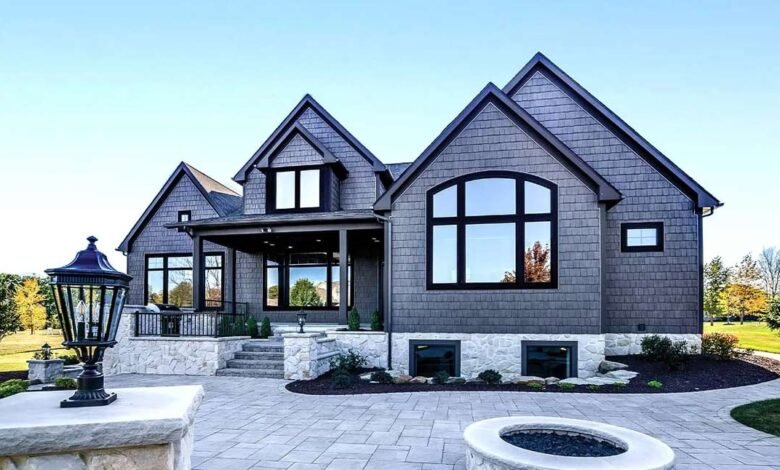
Windows can have a significant influence on the appearance of a property. Old or mismatched windows may make an exterior appear dated, while consistent replacement windows can create a cleaner and more modern appearance.Homeowners can select different frame colors, grille patterns, glass options, and configurations to create a desired visual style. Trim can also be updated to complement the new units and other exterior materials.When planning a larger exterior renovation, window design should be considered alongside roofing and siding. Coordinating these elements can produce a balanced appearance and help ensure that new improvements do not look disconnected from the rest of the property.
Natural Light and Interior Comfort
Window replacement can also influence how interior spaces feel. Clear, properly functioning windows can allow natural light to enter rooms while providing outdoor views. Selecting the appropriate glass and configuration can help homeowners balance light, privacy, ventilation, and thermal performance.Older windows may have damaged or fogged glass that reduces visibility and natural light. Replacing these units can create a clearer connection between indoor and outdoor spaces.Improved operation can also enhance everyday convenience. Windows that open and close smoothly are easier to ventilate and maintain, while modern hardware can provide more reliable functionality.
Glass Options and Performance
The glass package is an important part of window selection. Different glazing options can influence insulation, solar heat gain, visible light transmission, and ultraviolet exposure.Insulated glass units generally consist of multiple panes separated by a sealed space. Depending on the product, additional technologies may be used to improve thermal performance and manage sunlight.Homeowners should consider the orientation of windows, room usage, desired comfort, and overall energy goals when selecting glass. A professional contractor can explain available options and help determine which configuration is appropriate.
Addressing Drafts and Air Leakage
Air leakage around windows can affect comfort and energy use. Even when a heating or cooling system is functioning correctly, drafts around older windows can make certain rooms feel uncomfortable.Replacing windows can help address problems associated with deteriorated frames, worn seals, and outdated construction. However, the surrounding opening must also be properly sealed during installation. A new window installed into a poorly sealed opening may not provide the expected performance.This is why installation quality should be considered when evaluating replacement options. Proper measurements, insulation, sealing, and flashing all contribute to the final result.
Window Replacement and Exterior Maintenance
New windows can reduce some maintenance demands, particularly when homeowners choose durable frame materials that do not require frequent painting or staining. However, routine inspection remains important.Homeowners should periodically examine window frames, glass, seals, hardware, and surrounding trim. Any signs of moisture, deterioration, or damaged sealants should be addressed promptly.The surrounding siding and gutters should also be maintained. Water from damaged or clogged gutters can repeatedly contact windows and exterior walls, potentially contributing to moisture-related problems.
Planning Window Replacement With Siding Projects
When both windows and siding are aging, coordinating their replacement can make practical sense. Siding installation requires careful detailing around window openings, so completing both projects together can reduce the need to disturb newly installed siding later.A combined project also provides an opportunity to inspect the wall assembly more thoroughly. Once old windows and siding are removed, contractors can identify conditions that may not have been visible beforehand.This does not mean every property requires simultaneous replacement. Homeowners should evaluate the condition and remaining service life of each component and prioritize improvements accordingly.
Working With an Experienced Window Professional
Selecting the right contractor is essential for a successful replacement project. Homeowners should look for professionals who understand window installation as well as the surrounding exterior systems.An experienced contractor can evaluate the existing openings, explain available products, discuss installation requirements, and identify potential complications. Clear communication before the project begins can help homeowners understand what work will be performed and what materials will be used.Professional experience is particularly valuable when unexpected conditions are discovered. Damaged framing, deteriorated sheathing, moisture intrusion, or inadequate flashing may require attention before installation can continue. Addressing these issues properly can help protect the new window investment.
Preparing for a Window Replacement Project
Preparation can help make the replacement process more efficient. Homeowners should discuss window styles, glass options, frame materials, colors, trim, project access, removal of old units, and cleanup expectations before work begins.It is also useful to evaluate nearby siding, roofing, gutters, and exterior trim. If these components are significantly deteriorated, addressing them as part of a broader renovation plan may help protect the new windows.Accurate measurements are particularly important. Replacement units need to fit the existing openings properly, and professional measurements can help reduce installation complications.
Long-Term Maintenance After Replacement
Even high-quality replacement windows require ongoing care. Routine cleaning can preserve appearance, while periodic inspection can help identify developing problems.Moving components should be operated regularly to ensure that hardware continues to function properly. Tracks and drainage areas should be kept clear of dirt and debris where applicable.Homeowners should also monitor the areas surrounding windows for signs of moisture or deterioration. If caulking becomes cracked or damaged, it should be evaluated and repaired appropriately. Maintaining nearby siding and gutters can further support the condition of the window installation.
Benefits of Professional Exterior Improvements
Window replacement can be particularly valuable when included as part of a broader exterior improvement strategy. New windows, quality siding, properly maintained roofing, functional gutters, and updated trim can work together to improve the building envelope.Each component serves a different purpose, but their connections matter. Water must be directed away from windows and walls, exterior materials must be properly sealed and flashed, and openings need to be integrated with surrounding systems.A professional exterior contractor can help property owners understand these relationships and prioritize improvements according to the condition of the property.
Making a Long-Term Investment
Replacing windows is a long-term investment that should be evaluated based on much more than immediate appearance. Homeowners should consider the durability of the selected products, energy performance, maintenance requirements, installation quality, glass options, frame materials, and compatibility with the property’s existing exterior. Choosing windows that complement the roof, siding, trim, and overall architectural design can create a more cohesive appearance while also supporting the functional needs of the property. Professional installation is equally important because even high-quality windows may not perform as expected if the openings are not properly prepared, flashed, insulated, and sealed. Homeowners looking for dependable exterior improvement solutions can also explore window and siding services to better understand how professionally installed exterior components can work together. Selecting appropriate materials and relying on experienced installation can help maximize the useful life of new windows while reducing the possibility of premature deterioration, air leakage, moisture intrusion, or operating problems. Regular cleaning and inspections can further protect the investment by allowing homeowners to identify damaged seals, hardware issues, deteriorated trim, or moisture concerns before they become more extensive. The benefits of quality replacement windows can extend beyond improved appearance, providing better functionality, increased natural light, improved indoor comfort, and a refreshed exterior that complements other property improvements. When window upgrades are carefully planned and professionally completed, they can become an important part of maintaining a durable, attractive, and well-protected property for years to come.
Conclusion
Windows are an essential part of a property’s exterior and interior environment. They provide natural light, ventilation, views, and access while also contributing to energy performance and protection from outdoor conditions. When aging windows develop drafts, damaged frames, failed seals, difficult operation, or moisture-related problems, professional evaluation can help determine whether repair or replacement is the better option.A properly planned window replacement project can improve more than the windows themselves. It can provide an opportunity to inspect surrounding wall materials, address moisture concerns, improve flashing, update trim, and coordinate the exterior with new siding or roofing work. These details are important because windows function as part of a larger building envelope rather than as isolated components.
Professional installation is essential for achieving dependable results. Accurate measurements, careful opening preparation, appropriate flashing, insulation, sealing, and integration with siding and trim can all contribute to long-term performance. Selecting quality materials and maintaining them after installation can further extend their useful life.For homeowners considering an exterior renovation, replacing outdated windows can be a valuable step toward creating a more comfortable, attractive, and dependable property. With thoughtful planning, suitable products, professional workmanship, and ongoing maintenance, new windows can provide lasting benefits while complementing other exterior improvements.