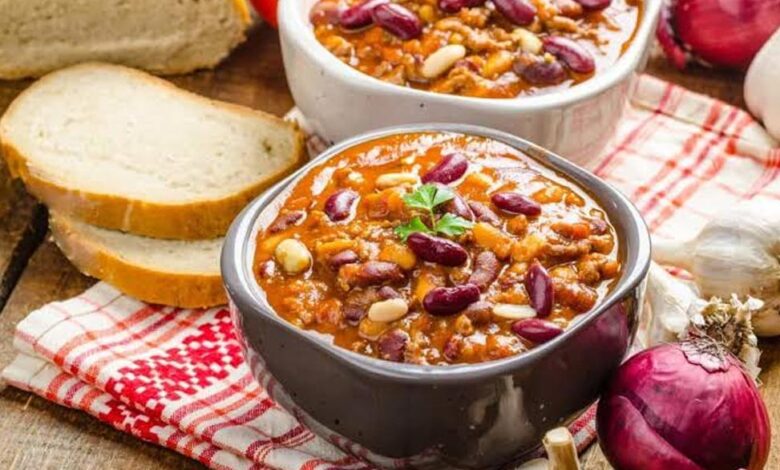

The first chilly evening of October has a way of making everyone crave the same thing: a big, bubbling pot of chili. It’s warm, it’s hearty, it feeds a crowd, and it somehow tastes even better as leftovers the next day. So it makes perfect sense that October is officially National Chili Month.
Whether you’re a no-beans purist or someone who’ll happily try chili over spaghetti, this is the month to get cooking. Grab your favorite pot, set out some non toxic bakeware for cornbread, and dig into everything you need to know.
Why Is October National Chili Month?
The timing just works. As temperatures drop, comfort food takes over, and chili is one of the easiest ways to warm up a crowd.
October also lines up with football season and tailgating, especially in the South and Midwest. Chili’s easy batch preparation and warm, satisfying profile make it a natural fit for game days, fall festivals, and harvest celebrations.
Where Did Chili Come From?
The exact origin is debated, but chili is widely believed to have taken shape in the American Southwest, particularly Texas. One popular legend traces it to families from the Canary Islands who settled in San Antonio in the 1700s.
Chili spread across the country thanks to cattle drives. Chuckwagons fed cowboys moving herds north from Texas, and as the drives pushed into northern states, the cooks introduced chili to new regions along the way. By the Depression, small chili parlors were serving cheap, filling bowls in towns all over the country.
The Beans Debate
This is the most passionate argument about making chili. Texas Red, the traditional style, is all meat and vegetables with no beans at all. Many Texans will tell you beans simply don’t belong.
Plenty of other cooks love beans for the body and texture they add. There’s no wrong answer at home. The fun is picking a side and defending it at your next cook-off.
What Are the Most Popular Chili Styles?
Texas Red is the no-bean, meat-forward classic. Cincinnati chili is a completely different animal, with a distinctive spice blend that often includes cinnamon, and is served over spaghetti with toppings like shredded cheese, onions, and beans.
White chili swaps the tomatoes and beef for white beans and chicken, making it a lighter option. Chili verde uses green chiles and pork for a tangy twist. Vegetarian and vegan versions are loaded with beans and vegetables. Each region has its own take, which makes October a great time to try something new.
How Do You Build Deeper Flavor?
Toast your spices. Blooming chili powder, cumin, and paprika in hot oil for a minute before adding liquids dramatically wakes up their flavor.
A few secret weapons help, too. A spoonful of cocoa powder or a square of dark chocolate adds depth and balances the heat. A splash of coffee or beer gives richness. A little acid at the end, like lime juice or a dash of vinegar, brightens the whole pot.
What Should You Serve With Chili?
Cornbread is the classic partner, and a skillet or baking dish of it makes the meal feel complete. Rice, baked potatoes, and tortilla chips all work well, too. For something more playful, try Frito pie, where chili gets spooned over corn chips and topped with cheese. Chili dogs and chili-topped fries are crowd-pleasers for game days.
How Do You Set Up a Great Toppings Bar?
A toppings bar turns chili night into an event. Set out shredded cheddar, sour cream, diced onions, sliced jalapeños, cilantro, avocado, and green onions.
Add a few unexpected options, such as pickled red onions, crushed tortilla chips, or hot honey. Letting everyone build their own bowl keeps picky eaters happy and adventurous eaters experimenting.
How Can You Celebrate the Whole Month?
Host a chili cook-off with friends or neighbors and create categories for spicy, vegetarian, and regional styles. Keep the tasting blind by numbering the pots, and hand out a few silly awards alongside the main prize. “Most Likely to Start a Family Feud” and “Best Use of a Secret Ingredient” tend to spark more debate than the actual trophy.
If a full cook-off sounds like a lot, turn October into a chili passport instead. Cook a different regional style each week and let everyone at the table rank them by the end of the month.
Make a double batch and freeze half in single-serving containers. You can also turn the celebration outward. Donating homemade chili or canned ingredients to a local food bank is a warm way to share the season.
Why Does Chili Have Such Staying Power?
Chili is flexible, affordable, and made for sharing. It adapts to whatever’s in your pantry, feeds a crowd without much fuss, and rewards a little experimentation. That’s why it’s been a comfort-food staple for well over a century.
This October, pick a style, pull out your pot, and make a batch worth sharing. Your kitchen will smell incredible, and your leftovers will be the envy of the office.