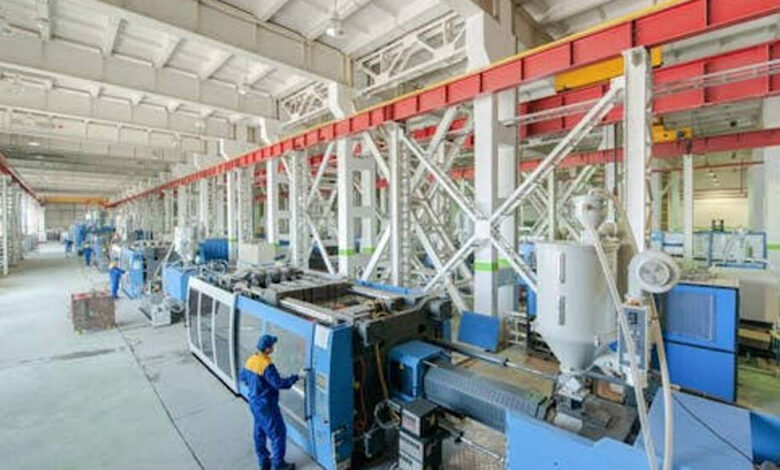
Inside India’s Injection Molding Industry: How Plastic Component Manufacturers Serve Everything From Appliances To Automobiles

Pick up almost any modern consumer appliance, automotive dashboard, or electrical fitting and you’ll find plastic components manufactured through injection molding, a process so ubiquitous across manufacturing that most people never think about the specialized companies producing these parts at the scale and precision required by their industrial customers. This largely invisible manufacturing layer supports an enormous range of finished products across genuinely different industries, making it worth understanding how injection molding businesses actually operate. The Vishal Nirmiti IPO brings this specialized manufacturing segment into focus, offering a useful opportunity to explore what distinguishes successful plastic component manufacturers within India’s broader industrial ecosystem.
Why Injection Molding Became So Central To Modern Manufacturing
Injection molding involves melting plastic resin and injecting it under pressure into precisely engineered molds, producing components with remarkable dimensional accuracy and repeatability at production volumes that would be impractical through most alternative manufacturing methods. This combination of precision and scalability has made injection molding the preferred manufacturing process for countless plastic components across industries ranging from automotive interiors to consumer electronics housings to household appliance parts, essentially any application requiring consistent, high-volume plastic component production.
The technology’s versatility means manufacturers in this space often serve remarkably diverse customer industries simultaneously, since the underlying molding process and technical expertise translate across different end-use applications even as specific product designs and material requirements vary considerably between customer sectors.
What Actually Determines Competitiveness In This Manufacturing Segment
Success as an injection molding manufacturer typically depends on capabilities spanning several interconnected dimensions:
- Mold design and tooling expertise, since mold quality directly determines finished component precision and production efficiency
- Material science knowledge, understanding which plastic resins and additives suit specific application requirements around durability, heat resistance, or flexibility
- Production automation capability, allowing consistent quality at the high volumes many customer industries demand
- Multi-industry client diversification, reducing dependency on demand cycles specific to any single customer sector
Manufacturers that build strength across these dimensions simultaneously typically develop more resilient, diversified revenue bases compared to competitors concentrated narrowly within a single customer industry or product category.
How Customer Industry Diversification Creates Natural Risk Buffers
One of the more interesting characteristics of well-run injection molding businesses involves how customer diversification across different end-use industries can create natural demand stability, even when any single customer sector experiences its own cyclical downturn. A manufacturer serving both automotive and consumer appliance customers, for instance, might see relatively stable overall demand even if automotive production temporarily slows, provided appliance manufacturing demand remains steady during that same period, since these different end markets don’t necessarily move in perfect synchronization with each other.
This diversification benefit represents a genuine structural advantage for manufacturers who’ve deliberately built capabilities serving multiple industries, compared to more narrowly focused competitors whose fortunes remain tied almost entirely to a single customer sector’s demand cycle.
The Technical Collaboration Behind New Product Development
Injection molding manufacturers frequently work closely with customer engineering teams during new product development phases, since component design decisions around wall thickness, material selection, and mold geometry directly affect both manufacturing feasibility and final product performance. This collaborative product development relationship, similar to patterns seen across other precision component manufacturing sectors, tends to create stickier, more durable client relationships than purely transactional purchasing arrangements based on finalized specifications alone.
Manufacturers that have built genuine design collaboration capability, rather than functioning purely as production-stage vendors, typically develop more strategically embedded customer relationships that prove more resilient during competitive pricing pressure from alternative suppliers.
Tracking How Manufacturing Businesses Access Public Markets
For those following how diversified industrial manufacturers across various component categories approach public listings, monitoring the broader upcoming ipo calendar offers useful visibility into which manufacturing businesses are currently seeking public capital, providing context on how frequently companies from specialized manufacturing niches like injection molding appear relative to other industrial and consumer-facing sectors during any given market period.
Evaluating Plastic Component Manufacturers Through Their Diversification Lens
When assessing any injection molding or plastic component manufacturer, examining the breadth of customer industries served, the depth of design collaboration capability with key clients, and evidence of genuine technical differentiation beyond basic production capacity often provides more meaningful insight into long-term business resilience than simply reviewing current revenue figures, since these factors collectively determine whether a manufacturer has built the kind of diversified, technically embedded business model capable of weathering demand fluctuations within any single customer industry it happens to serve.