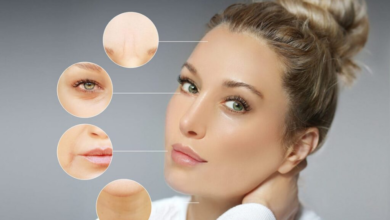

While acne can go away, the texture it leaves behind may last for years. The skin may look less smooth due to depressed scars, rough patches, enlarged-looking pores, and uneven skin tone. Although skincare products and routines can support overall skin health, some concerns may require professional treatment. Laser resurfacing in Phoenix is one option that may help improve the appearance of acne scars, uneven texture, pigmentation, and other visible skin concerns.
How Does Laser Resurfacing Work?
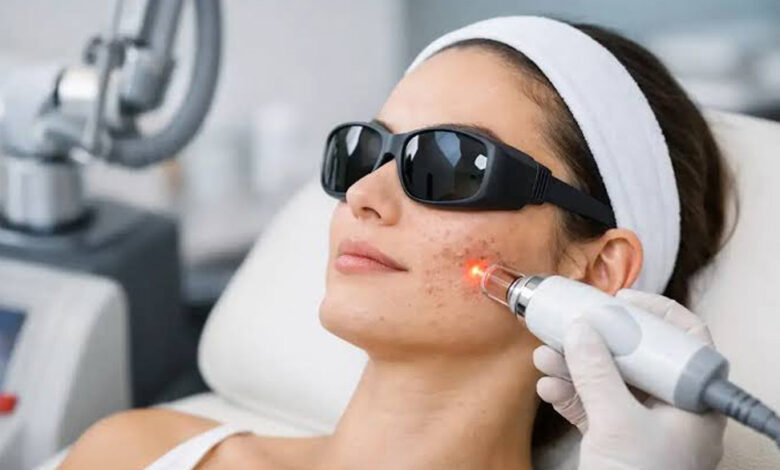
Laser resurfacing uses controlled laser energy to target specific areas of the skin. This can stimulate skin renewal and aid in the production of collagen (depending on technology and treatment parameters). Over time, this process may help improve the appearance of skin texture and promote a smoother-looking complexion.
Treatment may not be the same for all people. Treatment planning may be affected by various factors such as skin type, the depth of acne scars, pigmentation, skin sensitivity, and individual expectations. A professional consultation will help you decide if laser resurfacing is the correct treatment for you and your concern.
Can Laser Resurfacing Help Acne Scars?
Acne scars appear in a variety of different ways. Some are small depressions; others cause a significant alteration of the skin’s texture in the area of the cheeks, temples or jawline. Certain scars may be improved after laser treatments as it promotes skin renewal and helps remodel collagen.
Individuals considering laser resurfacing should also have realistic expectations. Scars deeper or older may need multiple treatments or a combination of treatments. Laser resurfacing is typically done to enhance the look and feel of the skin, and not to completely remove all scars.
Understanding Ultra Laser Skin Resurfacing
A few skin issues that can be treated with ultra laser skin resurfacing are pigmentation, sun damage, skin aging, and uneven skin texture. To support the body’s natural renewal process, LaseMD Ultra, for example, targets the skin with controlled microchannels that are produced by fractional 1927nm laser technology.
The intensity of the treatment can be tailored to the specific needs and goals of the individual. Patients might have temporary redness, sensitivity or flaking after treatment. The recovery period will vary from case to case and treatment to treatment, depending on the skin and the setting of the treatment.
Can It Improve Uneven Skin Texture?
Acne isn’t the only cause of uneven texture. Other causes of rough texture include sun exposure, natural aging, pigmentation and collagen loss. Laser resurfacing might be able to alleviate a number of these concerns and help promote a smoother complexion.
But not all skin problems are necessarily treated by lasers. Other options like microneedling, professional skin care or resurfacing treatments may be recommended depending on the condition of the skin. A careful assessment may be useful to determine the best method.
What Should You Consider Before Treatment?
Before opting for laser resurfacing, inquire about the kind of laser offered, the approximate time of healing, how often the treatment will be necessary, side effects, and realistic results. It’s also worth talking about your current skin care regimen and any other skin care products you’ve used that might impact how your skin reacts.
Disclaimer
This article is for general informational purposes only and does not constitute medical advice, diagnosis, or treatment. Results from laser resurfacing vary based on individual skin type, condition, treatment settings, and other factors. Consult a qualified healthcare professional to determine whether laser resurfacing is appropriate for your skin concerns.