
Most people have felt their heart race before a big presentation or their stomach tighten before difficult news. That kind of short-lived nervousness is a normal part of being human. But for millions of people, anxiety is not a passing moment. It is a persistent, exhausting presence that shapes how they think, how they sleep, how they relate to others, and how they move through each day. Understanding what is actually happening inside the body and brain can be the first step toward feeling less alone in that experience.
This article covers the science behind anxiety, the different forms it takes, how it manifests physically, what research says about effective approaches, and when it makes sense to seek professional support. No medical jargon will be thrown at you without explanation. The goal is simply clarity.
What Is Actually Happening in the Brain
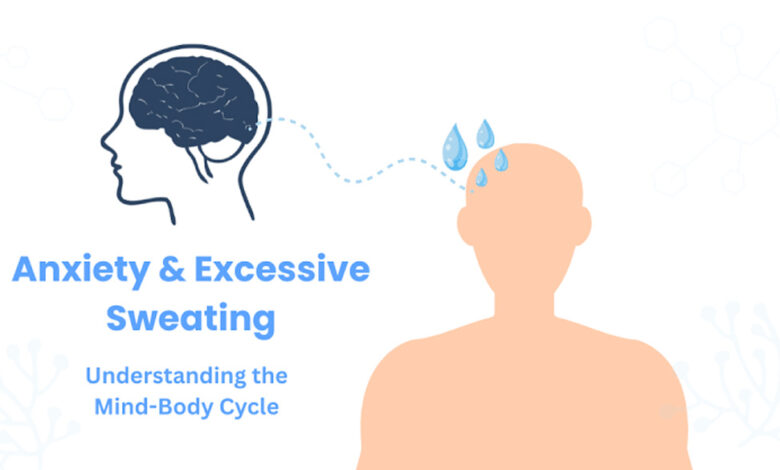
Anxiety begins in a small, almond-shaped region of the brain called the amygdala. When the amygdala perceives a threat, real or imagined, it triggers a cascade of physiological responses. Adrenaline floods the bloodstream. The heart rate climbs. Breathing becomes shallow. Muscles tense. Blood is redirected away from digestion and toward the limbs. This is the fight-or-flight response, and it evolved to help humans survive physical danger.
The problem is that the amygdala cannot always distinguish between a predator and a looming work deadline. When this alarm system is activated too frequently or stays activated too long, the body pays a real price. Chronic anxiety keeps the nervous system in a low-grade state of emergency, which over time can affect everything from immune function to cardiovascular health.
The prefrontal cortex, the part of the brain responsible for rational thinking and decision-making, is also affected. High levels of stress hormones, particularly cortisol, can impair communication between the prefrontal cortex and the amygdala. This is why anxious people often know, intellectually, that a situation is not as dangerous as it feels, yet they cannot seem to talk themselves out of the fear. The rational brain and the emotional brain are temporarily out of sync.
The Many Forms Anxiety Takes
Anxiety is not a single, uniform condition. It is an umbrella term that covers several distinct disorders, each with its own pattern of symptoms and triggers. Recognizing the differences matters because the experiences vary quite a bit from person to person.
| Disorder | Core Feature | Common Triggers |
| Generalized Anxiety Disorder (GAD) | Persistent, excessive worry about multiple areas of life | Work, health, finances, relationships |
| Social Anxiety Disorder | Intense fear of social situations and judgment by others | Public speaking, meeting new people, social gatherings |
| Panic Disorder | Recurrent, unexpected panic attacks with physical symptoms | Sometimes no clear trigger; can follow a first severe attack |
| Specific Phobia | Extreme fear of a specific object or situation | Heights, flying, animals, medical procedures |
| Agoraphobia | Fear of situations where escape might be difficult | Crowds, open spaces, public transport |
| Separation Anxiety Disorder | Excessive fear about separation from attachment figures | Leaving home, being away from loved ones |
According to the Anxiety and Depression Association of America, anxiety disorders are the most common mental health concern in the United States, affecting approximately 40 million adults each year. Despite that prevalence, only about 36 percent of people with anxiety disorders receive treatment. That gap between how many people are affected and how many get help is worth sitting with for a moment.
Physical Symptoms That Often Go Unrecognized
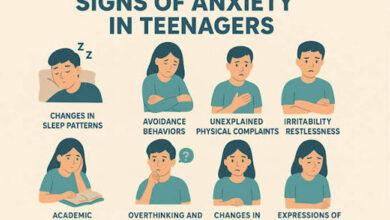
Anxiety is frequently thought of as a mental or emotional experience, but its physical symptoms can be just as disruptive, and are sometimes mistaken for other health problems entirely. People end up in urgent care with chest pain or dizziness before anyone connects the dots to anxiety.
- Chest tightness or pressure that mimics cardiac symptoms
- Chronic headaches or migraines
- Gastrointestinal issues including nausea, bloating, and irritable bowel symptoms
- Muscle tension, particularly in the neck, shoulders, and jaw
- Fatigue from sustained hypervigilance
- Insomnia or frequent nighttime waking
- Dizziness or feeling lightheaded
- Tingling or numbness in the hands or feet
The gut-brain connection is particularly significant here. Research published in journals like Psychosomatic Medicine has consistently shown that the enteric nervous system, sometimes called the second brain, is directly influenced by anxiety. This explains why gastrointestinal complaints are so common among people with anxiety disorders and why treating the anxiety often improves those physical symptoms as well.
What the Evidence Says About Managing Anxiety
Decades of clinical research have identified several approaches that consistently help reduce anxiety symptoms. None of them are magic. They require time and practice. But the evidence behind them is solid.
Cognitive Behavioral Therapy
Cognitive Behavioral Therapy, or CBT, is widely considered the gold standard psychotherapy for anxiety. It works by helping people identify distorted thought patterns, understand how those thoughts fuel anxious feelings, and practice replacing them with more accurate, balanced thinking. A meta-analysis published in the journal Cognitive Therapy and Research found CBT to be significantly more effective than control conditions across a wide range of anxiety disorders. The skills learned in CBT also tend to persist long after treatment ends, which makes it particularly valuable.
Medication Options
For many people, medication plays a useful role, either short-term to reduce acute symptoms while other strategies take hold, or long-term as an ongoing support. Selective serotonin reuptake inhibitors, known as SSRIs, are typically the first-line pharmacological option. Serotonin-norepinephrine reuptake inhibitors, or SNRIs, are another common choice. Buspirone is sometimes used for generalized anxiety. Benzodiazepines can provide quick relief but carry risks of dependence and are generally not recommended for long-term use. Any medication decision should be made in conversation with a qualified prescriber who understands the full clinical picture.
Lifestyle Factors With Real Evidence Behind Them
Exercise is one of the most underused tools for anxiety. A review published in Frontiers in Psychiatry found that regular aerobic exercise reduced anxiety symptoms comparably to some pharmacological interventions in certain populations. Even 20 to 30 minutes of moderate movement most days of the week can produce meaningful change. Sleep hygiene matters too. Anxiety disrupts sleep, and poor sleep worsens anxiety. That cycle can be broken, but it requires treating both sides. Mindfulness-based stress reduction, or MBSR, has also accumulated strong research support, particularly for people whose anxiety is tied to chronic rumination.
When to Seek Professional Help
Self-help strategies are genuinely useful for mild to moderate anxiety. But there is a point where professional support is not just helpful, it becomes necessary. Knowing when to make that call matters.
- Anxiety is interfering with work, school, relationships, or daily functioning
- Physical symptoms are frequent and are not explained by other medical conditions
- You are avoiding situations, places, or people to manage anxiety
- Sleep is consistently disrupted
- You are using alcohol or other substances to cope with anxious feelings
- Symptoms have lasted more than six months without improvement
- You are experiencing panic attacks
Reaching out to a mental health professional does not mean something is permanently wrong. It means you are taking a real problem seriously. A trained clinician can assess what type of anxiety you are dealing with, rule out other contributing factors, and work with you on a personalized plan. For people in California’s Central Valley, for instance, there are professionals who specialize in anxiety treatment and understand the specific pressures and stressors that affect people in that region, which can make a meaningful difference in fit and effectiveness.
Building Long-Term Resilience
Recovery from an anxiety disorder is rarely a straight line. There are good stretches and difficult ones. Stressful life events can temporarily intensify symptoms even after a person has made real progress. That does not mean the progress was not real. It means anxiety is a condition that responds to ongoing attention, not a problem that is simply solved once and forgotten.
Building resilience over time looks different for everyone. For some, it means continuing therapy on an as-needed basis rather than weekly. For others, it means maintaining consistent sleep, exercise, and stress management habits. For some people, long-term medication is part of the picture, and that is a legitimate choice, not a failure. What matters most is having a realistic understanding of the condition and a toolkit of strategies that actually work for you as an individual.
Anxiety is one of the most common human experiences, and also one of the most treatable. The gap between how many people struggle with it and how many get effective support is not inevitable. It shrinks when people have accurate information, reduced stigma, and access to care that meets them where they are. If you or someone you care about has been living with anxiety that feels unmanageable, the most useful thing to know is that it does not have to stay that way.