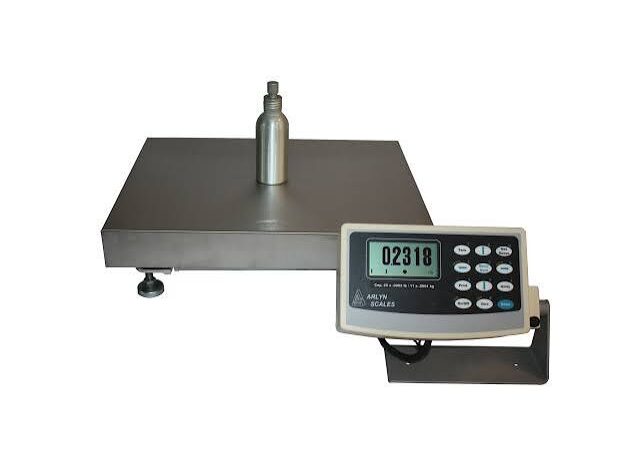

Accurate measurement matters in homes, retail environments, laboratories, healthcare facilities, and industrial operations. Modern weighing equipment delivers dependable results while supporting different capacities, applications, and working conditions.
From basic measurements to demanding commercial processes, a weighing machine can help users monitor weight consistently and efficiently. Advances in electronic technology have introduced clearer displays, improved load-cell systems, connectivity options, and specialized designs. Selecting suitable equipment therefore depends on factors such as capacity, accuracy, environment, frequency of use, and the type of material being measured.
Evolving Measurement Needs Across Modern Industries
Modern weighing solutions support different applications while improving accuracy, efficiency, and consistency across professional environments.
1. Supporting Retail And Commercial Operations
Retail businesses need scales that combine accurate measurements with fast, convenient operation. Price computing scales, checkout scales, hanging scales, and label-printing models support different activities. Modern systems can display weight, calculate pricing, store product information, and assist transactions. Choosing suitable capacity and a readable display helps employees work efficiently while supporting consistent pricing and smoother daily operations.
2. Improving Industrial Measurement Processes
Industrial environments require equipment that can handle heavier loads and demanding conditions. Floor scales, bench scales, truck scales, load cells, and weighbridges serve different applications. Businesses should consider capacity, platform dimensions, operating conditions, and required accuracy before selecting equipment. Properly matched weighing systems can improve process control while reducing measurement inconsistencies that may affect production and inventory management.
3. Supporting Laboratory And Precision Applications
Laboratories require highly accurate measurements where small variations can influence results. Analytical balances, laboratory balances, and precision scales support applications requiring greater sensitivity. Features such as internal calibration, draft shields, readable displays, and multiple measurement units can improve controlled weighing. Users should consider readability, capacity, environmental conditions, and material characteristics while maintaining regular calibration for dependable laboratory results.
4. Enabling Automated Weighing And Processing
Modern weighing technology increasingly connects measurement equipment with automated production systems. Automated filling, batching, check weighing, belt weighing, and bagging systems can integrate measurement data into industrial workflows. Connected equipment reduces manual intervention while supporting consistent production. Digital communication and control systems can also improve monitoring, helping businesses manage repetitive weighing tasks efficiently and respond quickly to measurement variations.
5. Supporting Healthcare And Specialized Requirements
Healthcare environments require weighing equipment designed around specific patient and professional needs. Patient scales, bariatric scales, pediatric scales, wheelchair scales, physician scales, and in-bed scales support different applications. Features such as low-profile platforms, large displays, weight-hold functions, portability, and connectivity can improve usability. Suitable equipment makes routine measurements more accessible and practical across hospitals, clinics, and care facilities.
Accuracy And Reliability Shaping Modern Weighing Solutions
Reliable measurement depends not only on the scale itself but also on appropriate installation, calibration, maintenance, and operating conditions. Select a modern weighing machine based on its intended application, not just its appearance or maximum capacity.
Load-cell quality, platform construction, environmental protection, display readability, connectivity, and calibration requirements can all influence performance. Industrial environments may require rugged equipment that can withstand mechanical stress, moisture, dust, or frequent use, while laboratory applications generally prioritize high sensitivity and controlled conditions. Regular maintenance and calibration help identify performance issues and maintain measurement consistency over time. Businesses can therefore achieve greater value by considering the complete lifecycle of weighing equipment rather than focusing only on its initial purchase cost.
Selecting Equipment For Greater Measurement Confidence
Choosing the right weighing solution requires evaluating practical requirements alongside accuracy, durability, service support, and future operational needs.
1. Matching Capacity With The Application
Capacity should closely match the materials or objects being measured. Equipment unsuitable for expected loads can affect performance and efficiency. Businesses should evaluate typical loads alongside potential peak requirements before selecting a scale. Choosing suitable capacity helps maintain dependable operation, prevents unnecessary equipment strain, and ensures the weighing solution remains appropriate for regular and demanding applications.
2. Considering The Operating Environment
Different operating environments create different equipment requirements. Outdoor, industrial, food-processing, laboratory, and retail applications may require specific construction, protection, or hygiene features. Understanding environmental conditions helps users select equipment capable of delivering reliable measurements. Factors such as moisture, dust, temperature, cleaning requirements, and frequency of use should be considered before choosing a suitable weighing system.
3. Evaluating Connectivity Requirements
Connected weighing equipment can transfer information to printers, computers, remote displays, or software systems. These capabilities can improve data management and reduce manual recording. Businesses should determine whether digital connectivity is necessary for existing workflows or future automation plans. Choosing suitable communication options can make measurement data easier to manage while supporting more efficient reporting and operations.
4. Prioritizing Calibration And Maintenance
Regular calibration helps verify that weighing equipment continues delivering accurate measurements. Professional maintenance can identify worn components, mechanical issues, or electronic problems before they affect operations. Businesses should establish suitable inspection and service schedules based on equipment usage and operating conditions. Consistent maintenance supports reliability, improves measurement confidence, extends equipment usability, and helps reduce unexpected operational interruptions.
5. Considering Long-Term Service Support
Technical support matters when equipment needs calibration, repairs, replacement parts, or operational guidance. A supplier offering comprehensive service capabilities can help businesses maintain weighing systems throughout their working life. Considering after-sales support before purchasing can reduce future complications and provide access to technical expertise when required. This approach ensures equipment selection reflects long-term operational value, not just the initial purchase.
Final Thoughts
Measurement accuracy becomes more valuable when weighing equipment is supported by proper calibration, regular maintenance, and reliable technical expertise throughout its operational life. Choosing suitable equipment also requires considering application requirements, capacity, accuracy, operating conditions, and long-term service needs. Businesses can benefit from experienced providers who understand different weighing environments and can recommend practical solutions based on specific operational demands.
For businesses searching for a precision weighing scale UAE solution, Universal Scales provides weighing equipment and related services across the UAE. They supply retail and industrial scales, laboratory balances, weighbridges, load cells, and specialized weighing systems. Their services also include calibration, repair, maintenance, training, and customized weighing solutions, helping businesses select, operate, and maintain weighing equipment suited to their operational requirements.