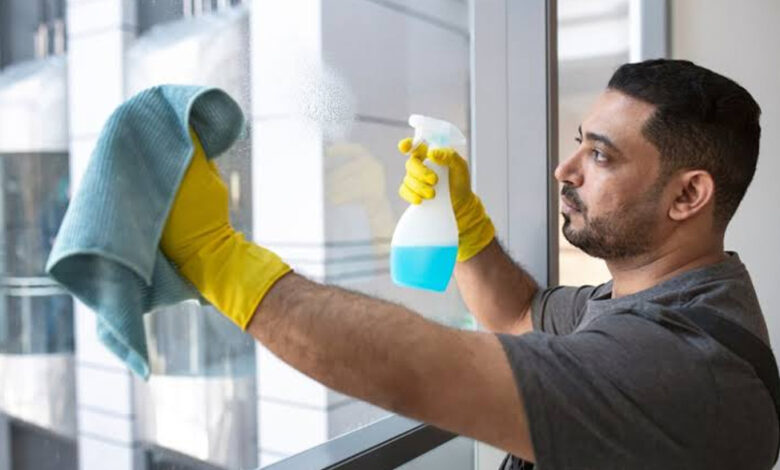
Window Cleaning Made Easy: Practical Tips for Clear Glass, Better Appearance, and Long-Lasting Results

Clean windows can make a property look brighter, fresher, and more attractive while allowing more natural light to enter indoor spaces. Over time, glass surfaces collect dust, fingerprints, pollen, grease, water spots, and other types of residue that can reduce visibility and create an untidy appearance. Regular window cleaning helps remove this buildup before it becomes difficult to manage and can also improve the overall appearance of frames, sills, screens, and surrounding areas. Although cleaning glass may seem like a simple household task, achieving a clear and streak-free finish requires the right tools, suitable cleaning products, proper technique, and careful preparation. By following a consistent approach, homeowners and property managers can maintain cleaner glass while reducing the time and effort required for future cleaning sessions.
Why Clean Windows Matter
Windows are an important part of any property because they influence both appearance and natural lighting. Dirty glass can make rooms appear darker and may prevent sunlight from entering as effectively as it otherwise could. Exterior surfaces are exposed to weather, dust, pollen, insects, and other contaminants, while interior surfaces can accumulate fingerprints, cooking residue, pet marks, and household dust. Over time, these substances may create a noticeable film that becomes harder to remove. Regular cleaning helps prevent excessive buildup and allows problems to be identified early. Clean windows can also contribute to a more polished appearance, particularly when the frames, tracks, and sills are maintained at the same time.
Understanding Different Types of Window Dirt
Not all dirt on glass is the same, and identifying the type of residue can make cleaning more effective. Loose dust and pollen are generally easy to remove, while grease and fingerprints may require a suitable cleaning solution to break down the residue. Hard-water deposits can leave cloudy white marks caused by minerals that remain after water evaporates. Bird droppings, tree sap, and other organic substances may become difficult to remove when they remain on glass for extended periods. Window cleaning is more effective when the cleaning method matches the type of contamination present. Understanding the difference between ordinary dirt and stubborn deposits can help prevent unnecessary scrubbing and reduce the risk of damaging the glass.
Choosing the Right Cleaning Equipment
Good tools can make the cleaning process faster and produce a more consistent finish. A quality squeegee is useful for removing water and cleaning solution without leaving excessive streaks. Microfiber cloths can help wipe edges, frames, and remaining moisture because they generally produce less lint than many ordinary fabrics. A soft brush can be useful for removing loose debris from frames and tracks before wet cleaning begins. A bucket and suitable cleaning solution complete the basic equipment needed for many standard tasks. For windows that are difficult to reach, extension tools or specialized equipment may be necessary. Equipment should be kept clean because dirty cloths and worn squeegee blades can transfer residue back onto surfaces.
Preparing the Surface Before Cleaning
Preparation is an important step that is sometimes overlooked. Before applying water or cleaning solution, loose dirt should be removed from the glass, frame, sill, and surrounding areas. If dry dust is mixed directly with liquid, it can create a muddy residue that spreads across the surface and makes the cleaning process more difficult. A soft brush or dry microfiber cloth can remove loose particles without excessive rubbing. Exterior glass with heavy buildup may benefit from an initial rinse to loosen dirt before detailed cleaning begins. Window cleaning produces better results when the surface is properly prepared because fewer particles remain available to interfere with the final finish.
Selecting a Suitable Cleaning Solution
The cleaning solution should be selected according to the type of glass and residue being removed. A mild glass cleaner may be sufficient for fingerprints, dust, and ordinary indoor marks, while mineral deposits or grease may require a specialized product. Using too much cleaning solution does not necessarily improve results and can actually leave a film or streaks behind. Product instructions should always be followed, particularly when stronger cleaning chemicals are involved. Care should also be taken around painted frames, wood, natural stone, and other materials that may react differently to certain products. Testing an unfamiliar cleaner on a small area first can help reduce the possibility of discoloration or surface damage.
Using a Squeegee Correctly
A squeegee can be one of the most effective tools for achieving a clear finish because it removes water and cleaning solution in a controlled manner. The rubber blade should remain in good condition and should be wiped periodically to prevent collected dirt from being dragged across the glass. Working from the upper portion of the window downward can help control where the solution travels. Some people prefer overlapping horizontal strokes, while others use vertical or angled movements depending on the size and shape of the glass. The important point is to maintain consistent contact and avoid leaving large amounts of water behind. Window cleaning becomes more efficient when the squeegee is used systematically rather than repeatedly wiping the same area with a wet cloth.
Preventing Streaks and Smears
Streaks can occur for several reasons, including excessive cleaning solution, dirty tools, uneven drying, or cleaning glass while it is extremely hot. Using a clean microfiber cloth for edges and maintaining a clean squeegee blade can help reduce these problems. Cleaning the glass in smaller sections may also make it easier to remove the solution before it dries. After the main process is complete, the glass should be inspected from different angles because some streaks may only become visible when light hits the surface in a particular way. Window cleaning should focus on removing residue rather than simply spreading moisture across the glass. A controlled technique generally provides a cleaner result than excessive rubbing or repeated applications of the product.
Removing Hard-Water Deposits
Hard-water spots can be particularly challenging because ordinary glass cleaners may not dissolve mineral deposits effectively. These marks often appear when water containing dissolved minerals repeatedly dries on the glass. If the deposits remain for a long time, they may become increasingly difficult to remove. A product specifically designed for mineral deposits may be useful, but it should be used according to its instructions and tested carefully when necessary. Abrasive tools should not be used unless they are confirmed to be safe for the specific glass surface. Window cleaning for heavily stained glass may require additional time and a specialized approach rather than ordinary household cleaner. Addressing water spots early can make future maintenance considerably easier.
Cleaning Frames, Sills, and Tracks
Glass should not be treated as the only part of a window that needs attention. Frames, sills, and tracks can collect dust, insects, leaves, moisture, and other debris that may eventually affect the overall condition of the window. Loose dirt can often be removed with a brush or vacuum before the area is wiped with a suitable cloth. Tracks may require additional attention because debris can accumulate in narrow corners and drainage channels. Excess water should be avoided in areas where it may remain trapped and contribute to deterioration. Window cleaning provides an excellent opportunity to inspect these surrounding components and remove accumulated debris. Keeping the entire window area clean can improve appearance and may also support better long-term maintenance.
Cleaning Interior Glass
Interior windows are exposed to different types of contaminants than exterior surfaces. Fingerprints, cooking oils, smoke residue, pet marks, dust, and condensation can all affect indoor glass. Kitchens may require more frequent attention because airborne grease can settle on nearby surfaces and create a thin film. Rooms with pets or children may also develop fingerprints and marks more quickly. Using clean cloths and appropriate solutions can help prevent residue from being redistributed across the glass. Window cleaning inside a property is often easier when performed away from strong direct sunlight because the solution may dry too quickly on a hot surface. A slower, controlled process can make it easier to achieve a clear finish.
Maintaining Exterior Glass
Exterior glass generally collects more environmental debris and may therefore require more intensive cleaning. Dust, pollen, rain residue, bird activity, tree sap, and other outdoor contaminants can accumulate on exposed surfaces. Weather conditions can also influence how quickly the glass becomes dirty again. Before cleaning, loose debris should be removed so that it does not scratch the surface during wet cleaning. Screens and surrounding frames should also be checked because they can hold dust that may transfer back onto freshly cleaned glass. Window cleaning performed regularly can prevent outdoor buildup from becoming excessively difficult to remove. Consistent maintenance is generally easier than waiting until glass becomes heavily stained.
Cleaning Screens and Window Tracks
Screens are often overlooked even though they can collect significant amounts of dust and pollen. A dirty screen may reduce airflow and can transfer particles onto the glass whenever air moves through the window. When practical, screens can be removed and cleaned separately using a soft brush or appropriate washing method. Window tracks can also accumulate leaves, insects, dust, and other debris. Vacuuming or brushing these areas before wiping them can make the cleaning process more effective. Keeping screens and tracks clean contributes to the overall appearance of the window system and can reduce the amount of debris that reaches the glass after cleaning.
Choosing the Best Time to Clean
The timing of a cleaning session can affect the quality of the finished result. Extremely hot glass can cause cleaning solutions to evaporate quickly, which may leave streaks or residue behind before the surface has been properly wiped. Direct sunlight can also make it harder to see certain marks while the cleaning process is underway. Working during cooler conditions or when sections of glass are shaded can provide more time to apply and remove the cleaning solution evenly. Windy conditions may also be less suitable for exterior cleaning because airborne dust can settle onto freshly cleaned surfaces. Window cleaning is generally easier when environmental conditions allow the solution to remain workable long enough for thorough removal.
Safety During Window Cleaning
Safety is particularly important when windows are located above ground level or in difficult-to-reach areas. Standing on unstable furniture or improvised platforms can create serious risks and should be avoided. Extension tools may provide a safer way to reach some elevated windows from the ground, while specialized professional equipment may be necessary for larger or more challenging surfaces. Electrical cables, slippery areas, balconies, uneven ground, and nearby obstacles should also be considered before work begins. If a window cannot be reached safely with appropriate equipment, professional assistance may be the most suitable option. A clean window is never worth taking an unnecessary safety risk.
Establishing a Regular Cleaning Routine
A regular schedule can prevent dirt from becoming deeply established and can make each cleaning session easier. The ideal frequency depends on weather exposure, surrounding vegetation, indoor activity, dust levels, and the condition of the property. Areas exposed to heavy traffic, trees, or frequent outdoor activity may need more frequent attention than protected surfaces. Instead of waiting until glass becomes visibly dirty, periodic inspections can help determine when cleaning is needed. Window cleaning can also be combined with seasonal maintenance so that screens, frames, tracks, and surrounding surfaces are inspected at the same time. A consistent routine can reduce the amount of effort required during each individual cleaning session.
When Professional Services Are Useful
Some windows are difficult to clean effectively with ordinary household equipment. Large glass surfaces, elevated windows, unusual architectural features, and heavily stained exterior areas may require specialized tools and experience. Professional cleaners may use extension systems, water-fed equipment, specialized squeegees, and other tools designed for difficult surfaces. They may also have procedures for working safely around elevated areas and delicate glass. Window cleaning by a professional can be useful when the property owner does not have the equipment, time, or confidence to complete the work safely. Before hiring a service, it is useful to ask about equipment, safety practices, included surfaces, and the type of cleaning required.
Final Thoughts
Keeping glass clean does not have to be difficult when the right process is followed consistently. Proper preparation, suitable equipment, an appropriate cleaning solution, and controlled squeegee technique can make a noticeable difference in the final result. It is also important to maintain frames, tracks, screens, and sills rather than focusing exclusively on the central glass surface. Difficult deposits such as hard-water stains may require specialized products and additional care, while elevated windows should always be approached with appropriate safety precautions. Regular window cleaning can prevent heavy buildup and make future maintenance easier and more efficient. By creating a practical cleaning routine and paying attention to both glass and surrounding components, property owners can maintain clearer windows, improve the appearance of their spaces, and enjoy better natural light throughout the year.