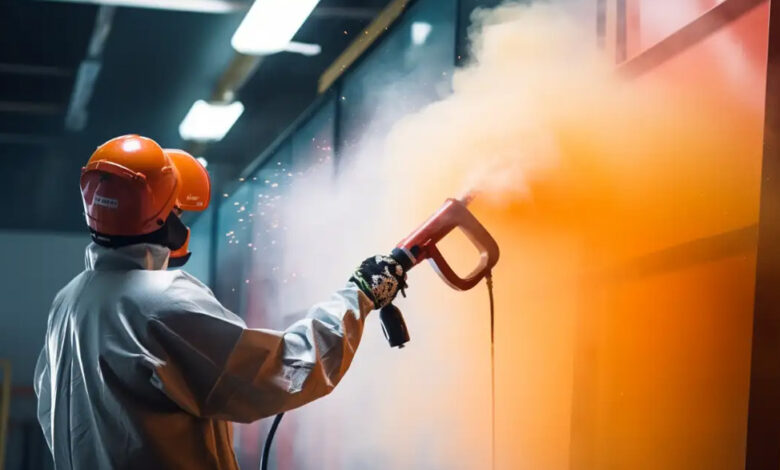

A high-quality paint finish can improve the appearance, durability, and overall condition of metal surfaces, equipment, furniture, and various other items. However, achieving a smooth and even coating on complex or difficult-to-reach surfaces can be challenging with traditional painting techniques. Electrostatic painting offers an alternative approach that uses electrical charges to help paint particles move toward and adhere to a conductive surface. This process can create an even finish while helping reduce overspray and improve coating efficiency when performed correctly. Understanding how the process works, what materials are suitable, and how proper preparation affects the final result can help property owners and businesses make informed decisions about their coating projects. Professional electrostatic painting can be particularly useful when a clean, consistent, and durable finish is desired.
Understanding the Painting Process
Electrostatic painting uses electrical principles to improve the transfer of paint from the spray equipment to the surface being coated. During the process, paint particles receive an electrical charge as they leave the spray equipment. The target object is typically grounded, creating an attraction between the charged particles and the conductive surface. This attraction helps guide the paint toward the object and can improve coverage compared with some conventional spraying methods. The technique is particularly useful for conductive materials such as metal because the electrical relationship between the paint and surface is an important part of the process. When properly controlled, electrostatic painting can provide a uniform coating while making efficient use of the applied material.
How Electrostatic Coating Works
The basic principle behind the process is the attraction between opposite electrical charges. Paint particles are charged as they pass through specialized spray equipment, while the surface being painted is grounded or otherwise prepared to receive the charged material. As the particles move through the air, the electrical attraction can encourage them to travel toward the target rather than dispersing randomly. This can help create more controlled coverage around the surface, including areas that may be difficult to reach with conventional spraying. The effectiveness of the process depends on equipment settings, surface conductivity, paint characteristics, environmental conditions, and the skill of the operator. Professional electrostatic painting requires careful control of these factors to achieve a consistent result.
Preparing the Surface
Surface preparation is one of the most important factors in achieving a durable paint finish. Dirt, grease, oil, rust, old coatings, moisture, and other contaminants can interfere with adhesion and cause defects in the finished coating. Depending on the material and condition of the surface, preparation may involve cleaning, degreasing, sanding, abrasive treatment, or removal of loose existing paint. Metal surfaces may require special attention if corrosion is present because painting over active corrosion can reduce the life of the new coating. Any repairs should also be completed before painting begins. Proper preparation gives electrostatic painting a clean and stable surface to which the new coating can adhere effectively.
Choosing the Right Paint
Not every coating is appropriate for every electrostatic application. Paint must be compatible with the equipment, substrate, environmental conditions, and desired performance characteristics. Different coatings may offer varying levels of durability, chemical resistance, flexibility, gloss, and protection against wear. The selected coating should also be appropriate for the intended use of the finished object. For example, an item exposed to frequent handling may require a coating with strong abrasion resistance, while equipment exposed to moisture may require different protective characteristics. Professional electrostatic painting involves selecting and applying a coating that is suitable for both the surface and the operating environment.
Benefits of an Even Finish
One of the primary advantages of electrostatic coating is the potential for an even and consistent finish when the process is properly controlled. Conventional spray painting can sometimes produce uneven coverage if the operator has difficulty maintaining a consistent distance or spray pattern. Electrostatic equipment can help direct charged paint particles toward the conductive target, potentially improving transfer efficiency. This can be especially useful for objects with complex shapes or multiple surfaces. However, the technique does not automatically guarantee perfect coverage because operator technique, equipment setup, surface preparation, and environmental conditions still play important roles. Proper electrostatic painting combines the advantages of the technology with careful application practices.
Reducing Overspray
Overspray occurs when paint particles travel beyond the intended target and settle on surrounding surfaces. Excessive overspray can result in wasted material and additional cleanup requirements. Because electrostatic systems can encourage charged particles toward the grounded object, they may improve transfer efficiency under appropriate conditions. This can help reduce the amount of material that misses the target compared with some conventional spraying approaches. The actual level of overspray reduction depends on the object, equipment, coating, operator technique, and surrounding environment. Appropriate masking and containment are still important even when electrostatic painting is being used because not every particle will necessarily reach the target.
Suitable Applications
Electrostatic coating is commonly associated with conductive surfaces, particularly metal objects and equipment. It can be used for items such as metal furniture, machinery, cabinets, railings, fixtures, equipment frames, and other suitable components. The technique may also be useful when an item has a complicated shape and requires consistent coverage across multiple surfaces. Before choosing this process, the material should be evaluated to determine whether it can support the electrical requirements of the system. Nonconductive materials may require different preparation or coating methods. Professional electrostatic painting begins with an assessment of the object so the coating process can be matched to the material and project requirements.
The Importance of Proper Grounding
Grounding is a critical part of the process because the electrical attraction between the paint particles and target surface depends on the proper electrical setup. The object must be grounded appropriately so that charged particles are attracted to the intended surface. Poor grounding can reduce transfer efficiency and may affect the consistency of the finish. It can also create safety concerns when electrical equipment and flammable coatings are involved. Grounding procedures should therefore be handled according to the equipment manufacturer’s requirements and applicable safety practices. Professional electrostatic painting relies on correct grounding as one of the fundamental conditions for effective application.
Equipment and Application Technique
Specialized equipment is required to apply electrostatic coatings effectively. Spray guns, charging systems, hoses, grounding equipment, and other components must be selected and configured appropriately for the coating being used. The operator must also maintain suitable spray distance, movement speed, pressure, and coating flow. Holding the spray equipment too close or too far away can affect the thickness and uniformity of the coating. Moving too quickly can result in insufficient coverage, while moving too slowly may produce excessive buildup or runs. Professional electrostatic painting combines suitable equipment with controlled application technique to produce a consistent finish across the target surface.
Coating Thickness and Consistency
The thickness of the applied coating can influence both appearance and performance. Too little material may result in inadequate coverage or insufficient protection, while excessive coating can lead to runs, sagging, uneven texture, or other defects. The ideal thickness depends on the specific coating and intended application. Professional operators use the manufacturer’s recommendations and appropriate application procedures to maintain consistency. Surface shape can also affect coating thickness because corners, edges, recessed areas, and other features may receive material differently. Careful electrostatic painting helps manage these variables and can contribute to a more uniform final appearance.
Drying and Curing Requirements
After the coating has been applied, it must dry or cure according to the requirements of the specific product. Some coatings may air-dry, while others require controlled heat or another curing process to achieve their intended properties. The curing environment can affect hardness, adhesion, appearance, and durability. Moving or handling an item before the coating has sufficiently cured can result in fingerprints, scratches, marks, or other defects. The manufacturer’s instructions should always be followed regarding drying time, temperature, and handling. Proper curing is an essential part of electrostatic painting because the application process alone does not determine the final performance of the coating.
Improving Durability
A properly selected and applied coating can provide more than visual improvement. Depending on the product used, the finish may help protect a surface against moisture, corrosion, abrasion, chemicals, and everyday wear. This can be particularly valuable for metal equipment and fixtures that experience frequent use or exposure to demanding conditions. Durability depends on the coating material, surface preparation, application quality, curing process, and environment. Painting over a poorly prepared surface will not provide the same long-term results as a properly prepared and coated substrate. Professional electrostatic painting can help maximize the protective potential of the selected coating when the complete process is performed correctly.
Environmental and Workspace Considerations
Painting projects require careful consideration of the surrounding environment. Temperature, humidity, ventilation, airborne dust, and other conditions can affect how paint behaves during application and curing. Excessive humidity can interfere with some coatings, while dust can become trapped in a wet finish and create an uneven appearance. Proper ventilation is also important when coatings produce vapors during application or curing. The workspace should be organized to protect nearby surfaces and ensure that equipment can be operated safely. Before beginning electrostatic painting, professionals should evaluate the environment and take appropriate measures to control conditions that could affect the finish or create unnecessary hazards.
Safety During Application
Because the process involves electrically charged paint particles and potentially flammable coatings, safety should always be a priority. Operators should follow the instructions provided by the equipment and coating manufacturers and use appropriate personal protective equipment. Proper ventilation and fire-safety measures may also be required depending on the coating and workspace. Grounding and electrical connections should be inspected before operation, and ignition sources should be controlled when necessary. People who are not involved in the work should remain outside the designated application area. Professional electrostatic painting should be performed by trained personnel who understand both the coating process and the safety requirements associated with the equipment.
Maintenance of Painted Surfaces
Once the coating has fully cured, routine maintenance can help preserve its appearance and protective properties. Cleaning methods should be appropriate for the coating and should not involve aggressive chemicals or abrasive materials unless they are specifically approved. Dirt and contaminants should be removed regularly, especially from surfaces exposed to outdoor conditions or frequent handling. Scratches, chips, and areas of corrosion should be addressed promptly so that damage does not spread beneath the coating. Proper care can extend the useful appearance and performance of a painted surface. The long-term benefits of electrostatic painting are best maintained when the finished surface receives appropriate cleaning and inspection.
Comparing Different Painting Methods
Traditional brush and roller painting can be useful for certain applications, while conventional spray painting may be suitable for larger surfaces or materials that do not work well with electrostatic equipment. Electrostatic coating offers particular advantages when the target is conductive and a controlled, even spray application is desired. The best method depends on the material, object size, coating requirements, project environment, desired finish, and available equipment. No single painting method is ideal for every situation. A professional assessment can help determine whether electrostatic painting is appropriate or whether another coating technique would better suit the project.
Choosing Professional Services
Hiring an experienced coating professional can make a significant difference in the final result. A qualified provider should understand surface preparation, coating compatibility, equipment operation, grounding, application technique, drying requirements, and safety procedures. Before beginning a project, it is useful to discuss the condition of the surface, desired color and finish, expected durability, and environmental conditions. A clear project plan can reduce misunderstandings and help ensure that the selected coating meets the intended purpose. Professional electrostatic painting is most effective when the entire process, from preparation through curing, is carefully managed rather than focusing only on the spraying stage.
Long-Term Value of Quality Coating
A quality paint finish can improve both the appearance and useful life of many objects and surfaces. By protecting suitable materials against everyday wear and environmental exposure, a well-applied coating can reduce the need for frequent refinishing. The value of the project therefore depends not only on the initial appearance but also on how well the finish performs over time. Proper preparation, compatible materials, skilled application, and appropriate curing all contribute to long-term results. When these elements are handled correctly, electrostatic painting can be a practical coating solution for projects where consistent appearance, efficient material transfer, and durable protection are important.
Final Thoughts
Electrostatic coating combines specialized equipment, electrical principles, suitable coatings, and careful application techniques to produce a controlled finish on appropriate surfaces. Its potential advantages include improved transfer efficiency, consistent coverage, reduced overspray, and a professional appearance when the process is performed correctly. However, successful results depend on much more than the charging of paint particles. Surface preparation, grounding, coating selection, equipment settings, environmental conditions, curing, and safety all play important roles. For projects involving suitable conductive materials, professional electrostatic painting can provide an efficient and durable approach to achieving a high-quality finish. Careful planning and proper maintenance after application can further help preserve the appearance and protective performance of the finished surface.