
Overgrown vegetation can gradually change the appearance, usability, and safety of outdoor spaces. Dense shrubs, tangled branches, fallen limbs, weeds, and unwanted woody growth can make an area difficult to access and maintain. When vegetation becomes thick enough, it may also hide damaged surfaces, create obstacles, or interfere with plans for landscaping and property improvements. Brush removal provides a practical way to regain control of overgrown areas and prepare outdoor spaces for future use. A successful project requires more than simply cutting plants down because proper preparation, suitable tools, responsible disposal, and attention to safety all play important roles in achieving a clean and manageable result.
Understanding Overgrown Brush
Brush can include many different types of unwanted vegetation, such as shrubs, vines, small trees, weeds, fallen branches, and dense undergrowth. Some areas may develop heavy vegetation naturally over time, while other growth can result from limited maintenance or changes in how a property is used. Before beginning a project, it is useful to identify what is growing in the area and determine whether any plants should be preserved. Brush removal becomes easier to plan when the type, density, and location of vegetation are understood. A clear assessment can also help determine whether the work requires simple hand tools, powered equipment, or professional assistance.
Why Proper Preparation Matters
Starting vegetation-clearing work without a plan can create unnecessary effort and increase the possibility of accidents. Before beginning, inspect the area and identify obstacles such as rocks, uneven ground, fences, structures, buried features, or other objects hidden beneath vegetation. Consider where cut branches and other debris will be placed during the project. Brush removal is more efficient when there is a clear workflow for cutting, gathering, transporting, and disposing of unwanted material. Preparing the work area in advance also makes it easier to identify sections that should remain untouched and prevents useful plants from being accidentally removed.
Choosing the Right Tools
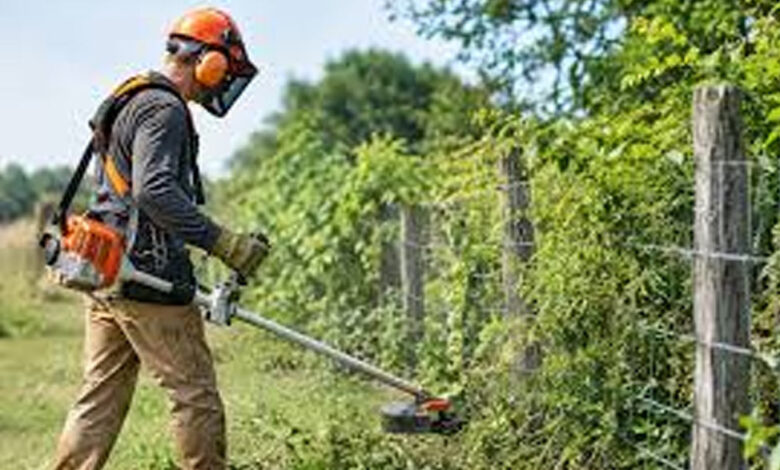
Different types of vegetation require different tools, so selecting appropriate equipment can make the work more manageable. Hand pruners and loppers may be suitable for smaller branches, while saws can handle thicker woody growth. For larger or denser areas, specialized powered equipment may be appropriate when operated safely and according to manufacturer instructions. Brush removal should never be approached as a one-tool task because vegetation can vary considerably in thickness and structure. Using equipment designed for the material being cut can improve efficiency while reducing unnecessary strain. Tools should also be inspected before use to ensure they are in suitable working condition.
Protecting Yourself During the Work
Safety should be a central consideration whenever dense vegetation is being cleared. Branches can snap unexpectedly, thorny plants can cause injuries, and uneven ground can create tripping hazards. Protective clothing, sturdy footwear, gloves, and suitable eye protection can help reduce exposure to common risks. Brush removal may also involve powered equipment that requires additional precautions, including appropriate protective gear and careful attention to operating instructions. Keep other people and pets away from active work areas, especially when cutting or using machinery. Taking regular breaks can also help prevent fatigue, which may reduce concentration and increase the likelihood of mistakes.
Clearing Vegetation in Sections
Large areas are usually easier to manage when divided into smaller sections. Instead of attempting to remove everything at once, choose a manageable area and work systematically through it. Start by removing loose debris and smaller vegetation before addressing thicker growth. Brush removal can become more organized when cleared material is gathered into designated piles instead of being scattered throughout the property. Working in sections also allows you to monitor progress and adjust your approach if certain areas require different tools or techniques. A systematic method can make a demanding project feel more manageable and reduce unnecessary movement across uneven or obstructed ground.
Managing Cut Branches and Debris
Removing vegetation creates a significant amount of organic material, including branches, leaves, roots, and smaller pieces of wood. Leaving this material scattered around the property can create additional obstacles and may make the finished area look untidy. Brush removal should therefore include a plan for collecting and handling debris throughout the project. Depending on local rules and available facilities, organic material may be chipped, composted, reused, or transported for appropriate disposal. Avoid placing debris in areas where it could block access, interfere with drainage, or create hazards. Keeping the work area organized from the beginning makes final cleanup much easier.
Considering What Should Stay
Not every plant in an overgrown area needs to be removed. Some trees, shrubs, and other vegetation may provide shade, privacy, habitat, erosion control, or visual value. Before clearing a dense area, identify plants that you want to preserve and mark them clearly. Brush removal should focus on unwanted or problematic vegetation rather than unnecessarily eliminating useful plants. Taking time to distinguish between desirable and undesirable growth can improve the final appearance of the property. It can also prevent the need to replace mature vegetation later. Thoughtful clearing often produces better results than simply removing everything in sight.
Preparing the Ground After Clearing
Once unwanted vegetation has been removed, the ground may require additional attention. Depending on the condition of the area, there may be exposed roots, uneven soil, holes, leftover organic material, or compacted ground. Brush removal can reveal conditions that were previously hidden beneath dense growth. After clearing, inspect the surface carefully and determine whether grading, soil improvement, reseeding, mulching, planting, or other landscaping work is appropriate. Preparing the ground at this stage can help prevent the area from becoming overgrown again. A clean starting point also makes future maintenance easier and allows you to use the space more effectively.
Preventing Future Overgrowth
Clearing vegetation once is only part of maintaining an outdoor space. Without an ongoing maintenance plan, unwanted growth can gradually return and recreate the same problems. Regular inspection, pruning, mowing, trimming, and removal of small unwanted plants can prevent vegetation from becoming dense again. Brush removal is most effective as part of a broader property-maintenance strategy rather than as a one-time solution. Establishing a regular schedule allows small problems to be addressed before they become large projects. Early maintenance is often easier and less demanding than waiting until vegetation has become thick and difficult to manage.
Knowing When Professional Help May Be Appropriate
Some vegetation-clearing projects can be handled with basic tools, while others may involve large trees, steep terrain, dense growth, or difficult access. Situations involving substantial hazards may require experienced professionals with appropriate equipment and training. Brush removal around structures, utility infrastructure, steep slopes, or other sensitive areas should be approached with particular caution. Professionals may also be better equipped to manage large quantities of debris and complete demanding work efficiently. If you are unsure about the condition of an area or the equipment required, obtaining professional advice can help you determine the safest and most practical approach.
Being Responsible With Disposal
Responsible disposal is an important part of maintaining a clean outdoor environment. Different communities may have specific requirements for handling green waste, branches, leaves, and other organic material. Before transporting or disposing of debris, check the applicable rules and available waste-management options. Brush removal can produce a surprisingly large volume of material, so having a disposal strategy in place before starting can prevent piles from accumulating unnecessarily. Some organic materials may be suitable for chipping or composting, while other debris may need to be taken to an approved facility. Responsible disposal helps keep the property clean and reduces unnecessary environmental impact.
Improving Access and Usability
Dense vegetation can make parts of a property difficult to access, especially around pathways, fences, storage areas, gardens, and other outdoor features. Clearing unwanted growth can restore access and make the space easier to inspect and maintain. Brush removal can also reveal structures, boundaries, drainage areas, or landscaping features that were previously hidden. Once the area is cleared, consider how it will be used and whether additional improvements are needed. A cleared section might become a garden, walkway, recreation area, storage space, or simply a more manageable part of the property. Planning its future purpose can help guide the final cleanup and landscaping decisions.
Protecting the Environment
Vegetation-clearing projects should be approached with consideration for the surrounding environment. Unnecessary removal of plants can affect soil stability, shade, wildlife habitat, and natural drainage. Before beginning, consider whether certain vegetation provides important environmental benefits. Brush removal should be limited to areas where clearing is genuinely useful or necessary, while valuable trees and plants can often be preserved. Avoid disturbing areas unnecessarily, particularly when working near waterways, slopes, or sensitive habitats. A balanced approach can improve property conditions while maintaining important natural features. Responsible management focuses on achieving practical goals without causing avoidable environmental disruption.
Creating a Long-Term Maintenance Routine
After the initial clearing is complete, establishing a maintenance routine can help preserve the results. Walk around the property periodically and look for new shoots, invasive growth, fallen branches, and areas where vegetation is beginning to become dense. Brush removal can be much easier when small amounts of unwanted growth are addressed regularly instead of being allowed to accumulate for years. Pruning, trimming, mowing, and appropriate landscaping can all contribute to better long-term control. Keeping tools maintained and storing them properly also ensures that they are ready when smaller maintenance tasks arise. Consistent attention can prevent the need for another major clearing project in the near future.
Final Thoughts
Managing overgrown vegetation requires planning, suitable equipment, careful work, and responsible cleanup. A clear assessment of the area can help determine which plants should be removed, which should remain, and what tools are appropriate for the job. Brush removal can improve access, restore usable outdoor space, enhance property organization, and prepare areas for future landscaping. However, safety should always remain a priority, particularly when working with thick vegetation, large branches, uneven terrain, or powered equipment. Once the area has been cleared, responsible debris disposal and regular maintenance can help preserve the results. With thoughtful preparation and an organized approach, an overgrown outdoor area can be transformed into a cleaner, safer, and more useful space.