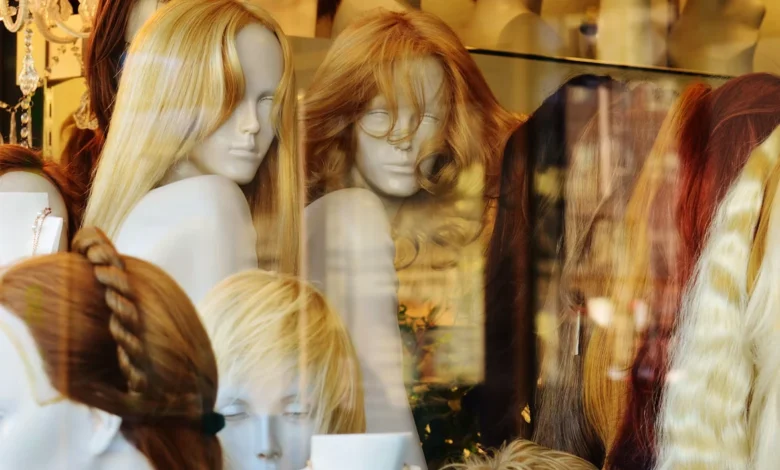

The order said “ash blonde.” The package contained something closer to honey. For anyone buying hair online, this is a familiar disappointment, and it often starts with a product photo taken under warm light or edited to look prettier than the hair really is.
Shade is product information, as important as length or weight. A hair color photo editor can alter the shade shown in an image, but accurate product photos should rely on consistent lighting and color correction rather than changing the hair’s actual hue.
Light That Shows the True Shade
Consistent light is the foundation. A shade photographed in a warm room one day and by a cool window the next will look like two different products, even if it came from the same batch. A simple, repeatable setup solves most of this:
- daylight-balanced lamps or a window providing soft, indirect daylight, never mixed with indoor bulbs;
- a neutral gray or white background;
- a gray card in the first frame of every session, for color reference;
- the same camera settings for every product in a collection;
- one photo of the hair next to a standard reference strand.
Once the setup is fixed, differences between photos reflect differences between products rather than changes in the room.
Correcting Is Not Recoloring
Some editing is part of honest product photography. Removing a yellow cast from indoor light, matching white balance across a series and cleaning up stray hairs on the background all bring the image closer to reality. Tidying a few flyaways on the product itself is fine too, as long as the texture stays true.
Shifting the hue of the hair itself is something else. Making a brassy blonde look cooler or a dull brown look richer sells a shade the customer will not receive, and the gap shows up as returns, complaints and lost trust.
Showing Texture and Length
Color is only half of what buyers judge. Texture changes how a shade looks: curls create more shadow and appear darker, while straight, smooth hair reflects more light and appears lighter.
Photograph each product both close up and at full length, ideally on a mannequin head as well as flat. A ruler or measuring tape in one frame removes doubts about length, and a short video turning the hair in the light shows how the shade moves. For lace-front wigs, a close-up of the hairline shows how the color blends at the parting.
Swatches and Shade Names
Names like “mocha,” “champagne” or “sandy” mean little on their own. A swatch ring photographed in the same setup as every product gives customers a fixed scale, and it lets them compare a new shade with something they bought before.
Keeping names consistent across the whole catalog helps too. When “light ash” means the same thing in every product line, customers learn to trust the label, and the photos only need to confirm it. Customers believe a shade name only as far as the product photo lets them. Light every item the same way, correct the light rather than the hair, and the package will match the picture the buyer fell for.