
Pests can become a serious problem when they enter homes, offices, commercial buildings, warehouses, or other properties. Insects and rodents can damage property, contaminate food, create unpleasant conditions, and sometimes contribute to health concerns. Small pest problems can also become more difficult to manage when they are ignored for too long. A professional pest control service can help identify the source of an infestation, determine the type of pest involved, and develop an appropriate treatment approach. Professional pest management is not simply about removing visible insects or rodents; it is also about understanding why pests are present and taking steps to reduce the chances of their return. With proper inspection, treatment, prevention, and monitoring, property owners can maintain cleaner and more comfortable environments.
Understanding Pest Problems
Pest problems can develop for many different reasons, including access to food, water, shelter, warmth, and suitable breeding areas. Some pests may enter through small cracks around doors, windows, pipes, vents, or other openings, while others may be introduced through packages, furniture, food products, or stored materials. A pest control service can help determine how pests are entering a property and identify areas that may be supporting their activity. Understanding the source of an infestation is important because treating visible pests without addressing the underlying conditions may only provide temporary results. Professional inspection can reveal hidden activity, nesting locations, moisture problems, food sources, and structural gaps that may contribute to repeated infestations.
Common Types of Household Pests
Different pests require different management approaches because their behavior, nesting habits, food sources, and reproduction patterns can vary significantly. Common household pests include ants, cockroaches, termites, bed bugs, spiders, flies, mosquitoes, rodents, and other insects or animals that may enter buildings. A pest control service should first identify the pest accurately before selecting an appropriate treatment strategy. For example, methods used to manage ants may not be suitable for bed bugs or termites, while rodent control often requires a combination of exclusion, trapping, sanitation, and monitoring. Correct identification allows professionals to understand where the pests are likely to hide, how they reproduce, and which conditions may be attracting them to the property.
Why Professional Inspection Matters
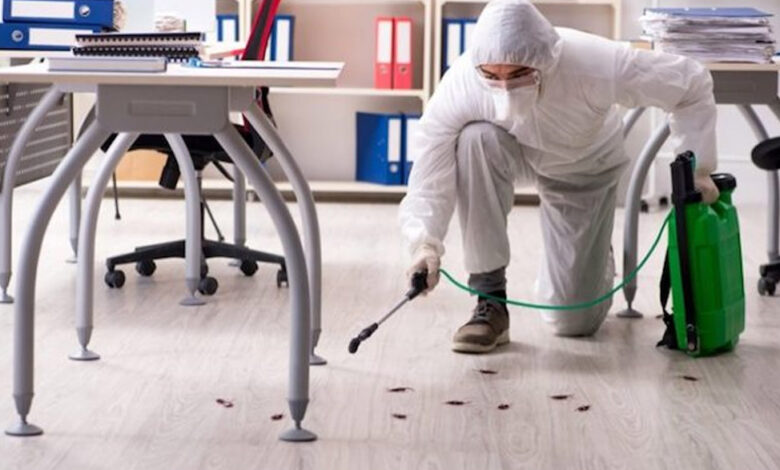
Inspection is an important part of effective pest management because visible pests may represent only a small part of a larger problem. Some insects remain hidden during the day, while rodents may move through wall cavities, ceilings, storage areas, or other concealed spaces. A pest control service can inspect areas where pest activity is suspected and look for signs such as droppings, nesting materials, damage, shed skins, insect trails, entry points, and unusual odors. Professionals can also assess environmental conditions that may support pest activity, including moisture, food storage, waste accumulation, clutter, and structural gaps. A detailed inspection helps establish the scope of the problem and allows treatment to be planned according to the specific conditions of the property rather than relying on a general approach.
The Importance of Preventive Pest Management
Preventing pests is often more effective than waiting until an infestation becomes severe. Property owners can reduce pest risks by keeping food stored properly, removing waste regularly, repairing leaks, reducing unnecessary clutter, and sealing cracks or openings where pests may enter. A pest control service can provide additional recommendations based on the property’s specific conditions and pest risks. Preventive treatment and regular monitoring may be particularly useful for buildings that have experienced repeated pest problems. Prevention does not mean that pests can never appear, but it can reduce the conditions that make a property attractive to them. Combining professional management with good housekeeping and structural maintenance can create a more effective long-term strategy.
Safe and Responsible Treatment
Pest treatment should always be approached carefully because pest control products can affect people, pets, wildlife, and the surrounding environment when they are not used correctly. A pest control service should use products and treatment methods according to their labels, applicable regulations, and professional guidance. The appropriate treatment depends on the pest, location, level of infestation, and conditions within the property. Professionals can determine where treatment is necessary and explain any preparation or safety instructions that occupants need to follow. Property owners should also avoid using excessive amounts of pesticides simply because a small number of pests have been observed. More product does not necessarily mean better results, and unnecessary pesticide use can create avoidable risks.
Managing Indoor Pest Infestations
Indoor infestations can affect comfort, hygiene, and property conditions. Cockroaches may hide in kitchens and utility areas, ants can establish trails toward food sources, and rodents may seek shelter inside walls, ceilings, or storage spaces. A pest control service can combine inspection, targeted treatment, sanitation recommendations, and exclusion techniques to address indoor pest activity. The specific strategy should be based on the pest involved and the conditions that support it. For some infestations, several visits may be necessary because eggs, hidden pests, or inaccessible nesting areas may not be affected during the first treatment. Monitoring after treatment can help determine whether pest activity is decreasing and whether additional action is needed.
Managing Outdoor Pest Activity
Outdoor areas can also support pest populations that eventually move indoors. Gardens, waste storage areas, standing water, vegetation, drainage problems, and outdoor structures can provide food, moisture, and shelter for insects and rodents. A pest control service can assess outdoor conditions and identify factors that may be contributing to pest activity around a property. Managing outdoor sources can be an important part of preventing indoor infestations because pests may repeatedly enter through doors, windows, vents, cracks, and other openings. Keeping vegetation properly maintained, removing unnecessary debris, addressing standing water, and storing waste appropriately can help reduce conditions that attract pests. Outdoor management should therefore be considered alongside indoor treatment rather than as a completely separate issue.
Pest Control for Businesses
Businesses may face additional pest management challenges because they often handle food, receive deliveries, store products, and have larger spaces with multiple entry points. Restaurants, hotels, offices, warehouses, retail facilities, and other commercial properties may need structured pest monitoring to protect their operations and maintain appropriate hygiene standards. A pest control service can help businesses establish inspection schedules, monitoring programs, treatment plans, and preventive measures according to their specific needs. Commercial pest management may also involve detailed documentation because businesses may need records of inspections, treatments, pest activity, and corrective actions. A proactive approach can help businesses identify pest problems early instead of waiting until visible infestations affect employees, customers, inventory, or daily operations.
Protecting Stored Products
Stored food, packaging materials, paper products, textiles, and other goods can sometimes attract or support pest activity. In warehouses and storage areas, pests may remain hidden among boxes, pallets, equipment, or stored products for extended periods. A pest control service can help identify conditions that may allow pests to enter or reproduce within storage environments. Proper stock rotation, regular cleaning, sealed containers, organized storage, and inspection of incoming materials can reduce opportunities for pests to become established. Businesses should also pay attention to gaps around doors, loading areas, vents, and utility penetrations because these can provide access points. Regular monitoring can help detect early signs of pest activity before a small problem develops into a larger infestation.
The Role of Integrated Pest Management
Integrated Pest Management, often called IPM, focuses on combining different strategies to manage pests while reducing unnecessary reliance on chemical treatments. These strategies can include inspection, sanitation, exclusion, monitoring, mechanical control, habitat modification, and targeted pesticide use when appropriate. A pest control service using an integrated approach can evaluate the reasons behind an infestation and determine which combination of measures is most suitable. This can produce more sustainable results because it addresses both existing pests and the conditions that support them. IPM also encourages ongoing monitoring, which helps determine whether control measures are working and whether adjustments are necessary. The approach recognizes that long-term pest management often requires more than a single treatment.
Choosing a Professional Provider
Selecting a pest management provider requires attention to experience, qualifications, treatment methods, communication, and service policies. Property owners should ask questions about the inspection process, products that may be used, preparation requirements, follow-up visits, monitoring, and safety instructions. A pest control service should be able to explain the proposed treatment clearly instead of making vague promises about immediate or permanent results. It is also useful to understand whether the provider offers one-time treatments, recurring maintenance programs, or follow-up inspections. Customers should receive clear information about what the service includes and what responsibilities they have before and after treatment. Transparent communication can make the treatment process easier to understand and can help property owners make informed decisions about pest management.
Preparing Before Treatment
Proper preparation can improve the effectiveness and safety of pest treatment. Depending on the type of pest and treatment method, occupants may need to clean specific areas, remove food items, secure pets, reduce clutter, or provide access to areas where pests have been observed. A pest control service should provide clear preparation instructions appropriate to the planned treatment. Property owners should follow these instructions carefully and ask questions if any part of the preparation process is unclear. Avoiding unnecessary preparation or failing to follow required instructions can interfere with treatment effectiveness or create avoidable safety concerns. Preparation should therefore be viewed as an important part of the overall pest management process rather than a minor administrative step.
What Happens After Treatment
Treatment does not always mean that every pest will disappear immediately. Some pest control methods require time to affect active pests, while others may require follow-up applications or monitoring. A pest control service may recommend specific steps after treatment, such as maintaining cleanliness, avoiding certain areas temporarily, sealing entry points, or reporting continued activity. Property owners should monitor the affected areas and communicate any ongoing problems to the service provider. Follow-up visits can be especially important for pests that reproduce quickly or remain hidden in difficult-to-reach locations. Continued monitoring helps determine whether the infestation is under control and whether additional preventive measures are necessary.
Long-Term Pest Prevention
Long-term pest prevention requires consistent attention to the conditions that attract and support pests. Keeping food properly sealed, cleaning spills quickly, removing waste, repairing leaks, reducing clutter, and maintaining the building’s exterior can all contribute to better pest prevention. A pest control service can supplement these efforts with professional inspections and monitoring based on the property’s risk factors. Regular preventive programs may be useful for properties that have recurring pest activity or conditions that make infestations more likely. The purpose of prevention is not simply to react whenever pests become visible but to reduce opportunities for pests to enter, survive, and reproduce. A combination of professional guidance and responsible property maintenance can provide a stronger long-term approach.
Conclusion
Pest problems can affect homes, businesses, stored products, and everyday comfort when they are not addressed properly. Effective pest management begins with identifying the pest, understanding the source of the problem, and selecting an appropriate treatment strategy. A pest control service can provide professional inspection, targeted treatment, monitoring, and prevention recommendations that address both current infestations and future risks. Property owners can improve results by maintaining clean environments, reducing access points, controlling moisture, storing food correctly, and following professional treatment instructions. Long-term pest management is most effective when professional services are combined with regular property maintenance and preventive habits. By taking a proactive approach, property owners can create cleaner, more comfortable, and better-protected environments while reducing the likelihood of recurring pest problems.