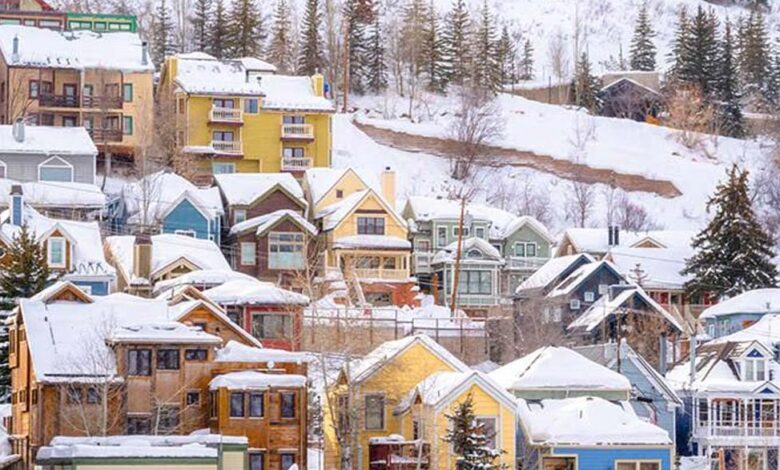

Buying a home in Park City means weighing mountain living against practical details that may not be obvious during a sunny showing. Whether you are considering a full-time residence near Old Town, a ski-area condominium, or a larger home in a gated community, careful due diligence can help you avoid expensive surprises.
For buyers comparing neighborhoods and property types, Park City UT real estate agent Richard Taleghani provides local property-search and market guidance through Richard Taleghani’s website, which focuses on Park City real estate and communities including Deer Valley, The Colony, Deer Crest, and Promontory. His experience in luxury real estate and property management can be especially relevant when a buyer is evaluating the access, amenities, and ownership considerations that vary across Park City’s mountain communities.
1. Start With Lifestyle Fit
First, define the home’s job. A primary residence needs to support routines such as commuting, school schedules, groceries, medical appointments, and reliable internet. A second home may place more emphasis on lock-and-leave convenience, storage, caretaker access, and travel time. A future retirement home should also be evaluated for stairs, driveway grade, winter walking surfaces, and proximity to services.
Be realistic about how often you will use the property. The most dramatic view may be less valuable to your household than a shorter drive, easier parking, or a location with year-round access. Visit the nearby commercial areas, test the route from Salt Lake City International Airport, and consider how guests, children, pets, and delivery services will reach the home.
2. Compare Location And Access
Two homes with Park City addresses can produce very different ownership experiences. Confirm whether the road and driveway are public, private, shared, gated, or maintained through an HOA. Ask who pays for plowing, sanding, grading, drainage repairs, fallen-tree removal, and road damage.
Access Checklist
- Drive the full route in daylight, after dark, and if possible during winter conditions.
- Check driveway slope, road width, turning space, and snow-storage areas.
- Ask whether emergency vehicles can access the property easily.
- Test cellular reception inside the home and along the approach.
- Verify internet providers and available service levels before relying on remote work.
3. Review Terrain And Seasonal Conditions
Mountain weather and terrain deserve close attention. Look at the home’s elevation, sun exposure, slope, drainage paths, retaining walls, roof design, decks, and exterior stairs. Areas that remain shaded can hold snow and ice longer, while freeze-thaw cycles can be hard on paved surfaces, exterior materials, and exposed plumbing.
A summer visit can make a steep driveway or drainage concern seem minor. If your schedule allows, return during another season. Winter conditions can reveal snow-management needs, icy walkways, roof runoff patterns, and the practical difference between a scenic location and an easy one.
4. Check Water, Septic, And Utilities
Not every mountain property uses the same systems as a typical suburban home. Ask whether water comes from a municipal connection, private well, shared well, or another arrangement. If there is a septic system, request service records and confirm that its approved capacity matches the home’s listed bedroom count.
- When was the well last tested, and are production records available?
- When was the septic tank last pumped or inspected?
- Who owns the propane tank, and what heating systems serve the home?
- Has the property experienced power outages or frozen pipes?
- Is there a generator, and which systems does it support?
5. Plan A Mountain-Specific Inspection
A general inspection is valuable, but it may not answer every mountain-property question. Depending on the home, consider specialists for the roof, chimney, fireplace or wood stove, septic system, well, drainage, retaining walls, structural conditions, and radon testing. Review attic insulation and ventilation, pest entry points, deck railings, exterior stairs, and signs of water intrusion.
Use inspection findings to understand both immediate repairs and recurring maintenance. A small issue can matter more when the property is remote, contractor availability is limited, or weather narrows the repair window.
6. Research Insurance And Natural Hazards
Request address-specific insurance quotes before becoming committed to a property. Availability and cost can be influenced by construction, roof condition, prior claims, emergency access, wildfire exposure, and other risk factors. Ask the seller about past damage, insurance claims, nonrenewals, and mitigation work.
The questions buyers should ask about flood and disaster risk can help structure conversations about prior repairs, insurance coverage, and property protection. Review flood information by address through the FEMA Flood Map Service Center, then discuss the findings with your insurer and qualified professionals.
7. Review Zoning, HOA, And Rental Rules
Do not assume a home can be used as a short-term rental simply because it is near resorts and recreation. Verify local requirements, HOA rules, occupancy limits, parking restrictions, licensing obligations, and insurance needs in writing. Read HOA governing documents, fee schedules, reserve information, recent meeting notes, and rules for exterior changes, hot tubs, garages, guest spaces, and additions.
Also review easements, shared-driveway agreements, and permits for past remodels, finished basements, accessory units, and major improvements.
8. Calculate The Full Ownership Cost
Your mortgage payment is only the starting point. Build a complete annual budget that includes property taxes, HOA dues, insurance, heating fuel, electricity, internet, snow removal, road fees, septic or well service, chimney maintenance, tree work, and emergency repairs. Second-home owners should also account for property management, cleaning, monitoring, and travel costs.
9. Use A Property Comparison Scorecard
After each showing, score the property from one to five in these categories:
- Access: Can you comfortably reach it during storms and peak travel periods?
- Condition: Are the roof, systems, foundation, drainage features, and exterior structures well-maintained?
- Utilities: Are water, wastewater, heat, power, and internet dependable?
- Insurance: Is appropriate coverage available within your budget?
- Resale: Would the location and layout appeal to future buyers beyond your own needs?
10. Common Questions Before Making An Offer
Is 2026 A Good Year To Buy A Mountain Home?
The right timing depends on your finances, financing terms, intended holding period, and readiness for ongoing ownership costs. Focus less on broad predictions and more on whether a particular home supports your goals.
Should You Choose A Newer Home Or An Older Cabin?
A newer property may require fewer immediate updates, while an older cabin may offer character alongside renovation needs. Compare the total cost of ownership, not only the purchase price.
What Should Happen Before Closing?
Confirm insurance, title, easements, permits, utility transfers, road responsibilities, HOA documents, and maintenance agreements. Before touring, set your budget and nonnegotiables. During inspections, bring in the specialists the property requires.
Final Thoughts
A Park City mountain home can be a rewarding lifestyle purchase, but the best choice is not automatically the one with the biggest view. It is the home that fits your access needs, maintenance tolerance, budget, daily routine, and future plans. Thorough research before making an offer can turn a mountain dream into a practical, long-term home.