
An emotional support animal (ESA) can have a profound impact on the lives of those with mental health disabilities. They can relieve symptoms in so many ways, from providing stability through routine to comfort through their constant companionship.
If you’re hoping to add an ESA to your mental health disability’s treatment plan, you likely have a lot of questions about the process and the legal rights they’re entitled to. A common question we see time and time again is “Can an emotional support animal go anywhere?”
We’ll answer this question (and more) below to help you stay informed about ESAs.
What Is an Emotional Support Animal?
An emotional support animal is an animal whose companionship relieves symptoms of a mental health disability. For instance, their constant presence can help ease loneliness and hypervigilance, while their affection can be grounding, comforting, and mitigate stress.
Any animal can become an ESA, including your typical pets like cats, dogs, rabbits, and birds, as well as more unusual pets like reptiles. What matters is that the animal gives you genuine therapeutic relief.
How Do Emotional Support Animals Differ From Service Animals?
Emotional support animals are not the same as service animals.
Service animals are classified as working animals and are trained to carry out specific disability-related tasks for their handlers. For example, they may assist an individual with diabetes by alerting them to sudden changes in their blood sugar levels.
Only dogs (occasionally miniature horses) can become legally recognized as service animals.
Can an Emotional Support Animal Go Anywhere?
Unfortunately, no. While an emotional support animal plays an integral role in their owner’s life, they are not legally allowed to go anywhere and everywhere. This is because they do not receive public access rights under any federal or state law. Only task-trained service dogs receive public access rights.
While public spaces and establishments have no legal obligation to accommodate an ESA, you’ll find that many choose to do so at their discretion. Pet-friendly restaurants, facilities, and parks are on the rise throughout the US, so you won’t often have to travel far to find a place that’ll welcome your ESA with an open door.
However, be aware that even if a public space allows your ESA, they must be well-behaved, kept under your control at all times, and not pose a nuisance. Disruptive or dangerous behavior can quickly lead to them being removed from the premises.
Where Can an Emotional Support Animal Go?
While public areas may be off-limits, an emotional support animal does have the right to live with you in your private housing. This is thanks to the Fair Housing Act (FHA).
Under the FHA, a landlord must reasonably accommodate your ESA at the property, regardless of whether they usually prohibit pets. ESAs also cannot be subjected to pet charges (e.g., pet rent) and pet-related regulations like weight restrictions.
In some very rare situations, a landlord can legally deny your ESA housing if:
- They are disruptive or pose a danger to other tenants
- Accommodating the animal would cause an undue hardship or financial burden
- The property type does not have to adhere to the FHA
A landlord also can deny your ESA if you do not have a valid ESA letter to back up their status. This makes it crucial to obtain an ESA letter before seeking accommodation with an ESA.
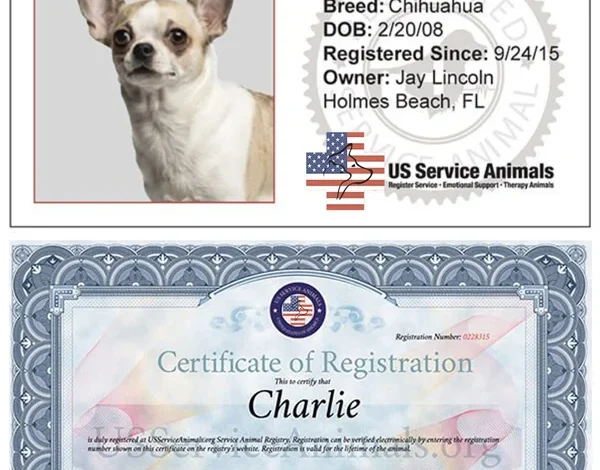
It may help to register your ESA with a reputable provider for more peace of mind. While registration is not a legal requirement, it can help avoid disputes with any misinformed landlords who wrongly believe that registration is needed.
Can I Travel With My Emotional Support Animal?
Generally, no. There are no laws in place that make it mandatory for travel agencies to accommodate your ESA. Again, only service dogs receive this protection.
It is true that ESAs used to be able to fly with their owners for free. However, the law that granted them this right, the Air Carrier Access Act (ACAA), was revised back in 2021. Since this change, ESAs do not receive this protection. Most major airlines treat ESAs as pets and subject them to their pet policies accordingly.
Can I Go to Work With My Emotional Support Animal?
It depends. Workplace access falls under public access, and only service dogs receive public access rights federally. The exception is if you live in California. This is because the state has introduced local legislation that grants ESAs reasonable accommodation within the workplace.
Even if you don’t live in California, employers are often willing to accommodate an ESA if they aren’t likely to cause a disruption and you can show that it will help you carry out your work duties. Speak to your HR department to find out if this adjustment can be made for you.
Can an Emotional Support Animal Go Anywhere: Final Verdict
An emotional support animal must be reasonably accommodated in housing, but beyond that, they generally can only go the same places pets can. They do not have public access rights nor travel rights.
While in most states ESAs do not have the right to join you at your workplace, if you live in California, this is an accommodation that can be made due to state-specific legislation.