Why Your AC Leaves Some Rooms Hot: A Practical Guide to Airflow and Static Pressure

When the AC has been running for hours, yet one bedroom stays warm and another feels chilly, the issue often comes down to airflow, not just thermostat settings. Central air systems are designed to move a specific volume of air through supply ducts and back through return ducts. Anything that restricts or leaks that air changes pressure inside the duct system, reducing how much conditioned air actually reaches each room. This guide explains how static pressure and duct conditions create uneven cooling, the early signs to watch for, practical checks you can do, and when a professional test can save you from repeat breakdowns and rising utility bills.
-
What Uneven Cooling Reveals About Static Pressure and Airflow
Air conditioners are sized to move a target airflow, often discussed in cubic feet per minute, across the evaporator coil. If static pressure in the ductwork climbs because of a clogged filter, a tight return plenum, or closed registers, the blower moves less air. Low airflow can let the evaporator coil run too cold and ice up, while rooms farthest from the air handler get less supply air and warm up. On the other end, leaky supply trunks or boot connections can drop pressure too low at certain branches, so conditioned air never reaches those rooms consistently. If these patterns persist after basic checks, keep a reputable local contact handy, such as RAD HVAC INC, for a system evaluation.
Spotting Early Signs: Icing, Short Cycling, and Noisy Returns
Look for frost on the larger insulated line near the outdoor condenser or water near the indoor air handler after the system has been off for a while. That thaw can follow an iced evaporator coil caused by low airflow. Rapid on-off “short cycling,” whistling sounds at a return grille, or supply registers that barely push air also point to pressure and flow problems. Another giveaway is poor humidity control even when the setpoint is reached. The blower and coil need sustained, correct airflow to dehumidify; interruptions from high resistance or leaky ducts make the home feel clammy and uneven.
Two realistic scenarios highlight these early clues. First, a homeowner swaps a standard filter for a thicker, high MERV model to improve indoor air quality. The next day, the system short cycles and the suction line ices because the added resistance exceeds what the blower can handle. Second, someone closes three bedroom registers to “push more air” to the living room. Static pressure spikes, airflow drops across the coil, and distant rooms get even less air than before, while the blower gets noisier at the return.
Common Causes: High MERV Filters, Closed Registers, and Duct Leaks
Several common culprits cause temperature swings. High MERV filters capture finer particles but can create a large pressure drop if the filter area is small or the blower speed isn’t adjusted. Closing supply registers raises static pressure in the supply plenum and reduces total system airflow. Kinked flex ducts behind a knee wall, crushed runs in an attic, or restrictive wye fittings starve branch lines. Missing mastic at takeoffs, unsealed boots, and disconnected ducts leak conditioned air into an attic or crawlspace. And furniture or curtains blocking a return grille can choke the return path. The tradeoff to weigh carefully is indoor air quality versus airflow: filtration upgrades are helpful, but they may require more filter surface area or blower adjustments to avoid starving the coil.
Homeowner Diagnostics: Measure Temperature Split and Check Return Paths
A couple of simple checks can separate a minor airflow hiccup from a system-level problem. First, make sure every supply register and the main return grille are open and unobstructed, and that interior doors have an undercut or a transfer grille so air can return when rooms are closed off. Next, replace a dirty filter with the type and size listed on the air handler panel. If you recently switched to a thicker or higher MERV filter and noticed worse cooling, try the previous style and see if airflow improves. Then compare the air temperature at a central return grille and a nearby supply register using two small thermometers. A consistent temperature difference during an extended cooling call suggests the coil is removing heat effectively, while a small or fluctuating difference can indicate low airflow or charge issues.
Watch for specific return path problems. In one common scenario, homeowners finish a bonus room over the garage and keep the door closed. Without a dedicated return or jumper duct, that room builds pressure, supply airflow falls, and it stays hot. Leaving the door ajar may help temporarily, but a jumper duct, transfer grille, or added return is the lasting fix. In another case, a media console parked in front of the sole first-floor return makes the whole house feel stuffy. Moving the cabinet just a few inches clears the grille and restores return airflow immediately.
Professional Testing: Manometer Readings, Duct Sealing, and Balancing
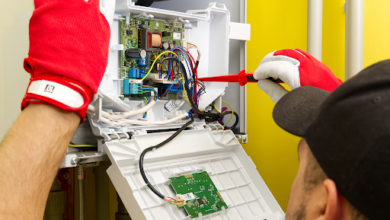
When DIY checks do not resolve uneven cooling, a technician can measure static pressure with a manometer at test ports before and after the blower to see how the system performs against manufacturer limits. They may inspect the evaporator coil for dirt load, confirm blower speed settings on the control board or tap, and evaluate refrigerant charge using superheat and subcooling readings. If duct issues are suspected, they pair a visual survey for crushed flex duct, long unsupported runs, or sharp bends with sealing gaps using mastic or UL 181 foil tape. Some homes benefit from added return capacity, balancing dampers at key branch runs, or resizing a constricted trunk so total external static pressure falls back within a healthy range.
After corrective work, pros often recheck temperature difference at multiple supply registers, verify airflow to problem rooms with an anemometer or flow hood, and document new static pressure readings. They may also suggest a larger filter cabinet to increase surface area for the same MERV rating, routine coil cleaning intervals, and periodic inspections of attic or crawlspace ducts where insulation and hangers can degrade. The key next step is maintaining the system’s airflow: replace filters on schedule, keep returns clear, and avoid closing registers. A short follow-up check at the start of each cooling season helps catch new restrictions before they turn into frozen coils or uneven rooms again.
Uneven cooling rarely points to a single bad part. It usually reflects how the blower, filter, coil, and ducts interact. By watching for early signs like icing or whistling returns, restoring open return paths, and using simple checks such as comparing return and supply temperatures, you can narrow the cause. If symptoms persist, a pressure-focused evaluation and targeted duct or filtration changes can restore steady airflow, more even room temperatures, and better humidity control. Treat airflow as the foundation, and your AC has a much better chance of delivering comfort on the hottest days.