How Edmonton, Alberta Drivers Can Lower Car Insurance Costs Without Cutting Essential Coverage

Edmonton drivers have good reason to review their auto insurance. Long winter seasons, busy commuter routes, fluctuating vehicle values, and repair costs can make a policy feel expensive. Still, the lowest price is not always the best value if it leaves a driver unable to handle a theft, collision, or major liability claim. Reviewing car Insurance in Edmonton can help drivers compare their needs with the protection they already carry.
The practical goal is to remove waste, not protection. A well-structured policy should reflect how often the vehicle is driven, where it is parked, who uses it, whether it is financed, and what the household could reasonably pay after a claim. Small adjustments can lower costs while preserving coverage that matters when Edmonton roads are icy or visibility is poor.
Why Edmonton Car Insurance Prices Can Differ
Two Edmonton drivers with similar vehicles may receive very different premiums. Insurers consider factors such as driving experience, claims history, traffic convictions, kilometers driven, vehicle repair costs, and the drivers listed on the policy. A vehicle parked in a garage may be assessed differently from one parked regularly on the street, and a short commute may create a different risk profile than daily travel across the city.
Vehicle choice matters as well. Parts availability, safety technology, theft exposure, engine size, and repair complexity can all influence the cost of a claim. Before buying a replacement vehicle, it is sensible to request insurance quotes for multiple makes and models rather than assuming a lower purchase price will mean lower insurance costs.
Keep the Coverage Alberta Requires
Before looking for savings, understand the basics. Alberta requires accident benefits and third-party liability coverage, while collision and comprehensive coverage are optional. Direct compensation for property damage may also apply when an insured driver is not at fault in an eligible collision, allowing that driver to deal with their own insurer for covered vehicle damage.
Third-party liability helps protect a driver when they are legally responsible for injury or property damage. Choosing only the minimum available limit can be tempting, but a higher limit may offer more protection when a serious collision involves multiple people or expensive property. The right amount depends on personal circumstances, assets, and comfort with risk.
Review Optional Coverage Carefully
Collision Coverage
Collision coverage can pay for damage to the insured vehicle after a crash, subject to the policy terms and deductible. It is especially important to examine when a vehicle is financed or leased, because a lender or leasing company may require it. For an older paid-off vehicle, compare the annual premium with the vehicle’s realistic market value and the cost of replacing it after a loss.
Comprehensive Coverage
Comprehensive coverage generally addresses non-collision losses such as theft, vandalism, fire, hail, and falling objects, subject to the policy. Removing it may save money, but the decision should take into account where the vehicle is parked and whether the household can absorb a sudden loss. Edmonton’s changing weather makes hail protection worth discussing rather than dismissing automatically.
Other Useful Add-Ons
Loss-of-use coverage can help with rental transportation after an eligible claim. Accident forgiveness and waiver-of-depreciation options may also be valuable in the right situation, but eligibility, time limits, vehicle age, and policy wording vary. Ask what each endorsement covers before paying for it or removing it.
Use Deductibles to Control Premiums
A deductible is the amount paid out of pocket before the insurer pays the covered balance of a claim. Raising a deductible may reduce the premium, but it only works if the higher amount is affordable when something goes wrong.
- Request pricing for the current deductible and one or two higher options.
- Compare the annual savings, not just the monthly payment.
- Decide whether the higher deductible could be paid promptly after a collision or theft.
- Keep that amount accessible in an emergency fund.
For example, a driver who saves a modest amount annually but raises the deductible beyond what they can pay may create more financial stress after a claim. The best deductible is one that produces worthwhile savings without becoming a crisis.
Ask About Discounts That Fit Your Life
Discounts differ by insurer and policy, so it is worth asking rather than assuming they are included. Possible savings may be available for multi-vehicle households, home and auto bundles, claims-free records, low annual mileage, approved driver training, winter tires, telematics programs, or qualifying employer, alumni, and professional associations.
Usage-based insurance can be useful for some drivers, particularly people who drive infrequently or consistently demonstrate cautious habits. Before enrolling, ask how the program measures driving, whether participation can affect the renewal premium, and what happens if driving patterns change.
Prepare for Edmonton Winter Driving
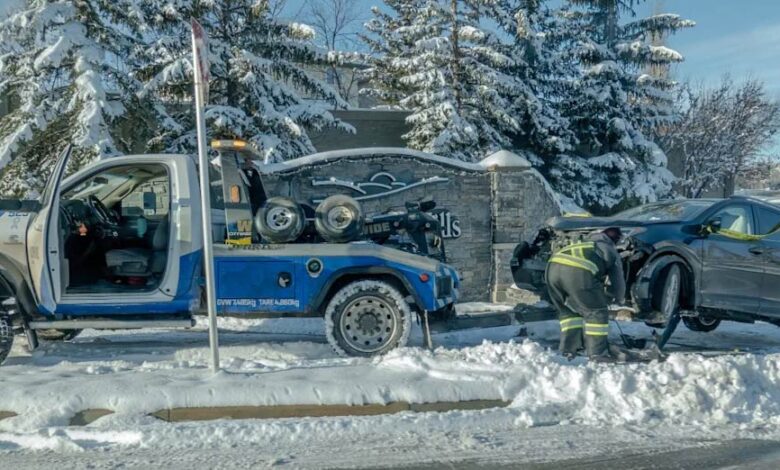
Winter maintenance is not only a safety issue. Avoiding preventable collisions and claims can help protect a driving record over time. Install four matching winter tires if they suit the vehicle and driving conditions, inspect the tread before the first major snowfall, replace worn wiper blades, and keep washer fluid rated for cold temperatures.
Drivers should also clear snow and ice from windows, lights, mirrors, and the roof before leaving. An emergency kit with warm clothing, a flashlight, booster cables, water, and basic supplies can be useful during severe weather. More stopping distance and lower speeds are often the simplest tools for navigating icy roads.
Consider Theft, Parking, and Vehicle Security
Theft protection deserves a separate review. Comprehensive coverage may respond to theft, but drivers should confirm the wording and deductible. Parking in a well-lit area, keeping keys and garage remotes out of the vehicle, and avoiding visible valuables can reduce the opportunity for theft. Some insurers may also recognize approved anti-theft or tracking equipment, although eligibility should be confirmed before installation.
Keep Every Policy Detail Accurate
Tell the insurer when important details change. Updates may be needed after a move, a new parking location, a work-from-home arrangement, a longer commute, a new regular driver, a vehicle purchase, or a change to business use. Inaccurate information can cause problems during underwriting or when making a claim.
Make an Annual Edmonton Insurance Review Routine
Review the policy before every renewal. Confirm the vehicle’s current value, deductibles, listed drivers, mileage estimate, and optional coverage. Ask whether new discounts are available, and compare quotes using the same limits and deductibles to ensure the comparison is meaningful.
It is also wise to prepare for the upcoming system change. Alberta’s Care-First insurance reform is scheduled for January 1, 2027, with changes intended to reshape benefits for people injured in collisions. A 2026 review gives Edmonton drivers time to ask how future renewals, endorsements, and premiums may be affected.
Conclusion
Lowering car insurance costs in Edmonton does not require taking unnecessary chances. Keep legally required coverage in place, protect against risks you could not comfortably pay yourself, choose a manageable deductible, and ask about discounts that match real driving habits. A short policy review each year can keep coverage practical, current, and better suited to life in Edmonton.