
Gaming viewers scroll fast, so your opening visual has to earn the click before your gameplay does. Face swaps work well because they add a clear joke, a surprise, or a story hook without asking the viewer to understand a full match or mission first. I’ve used this kind of format for short-form edits, stream clips, and thumbnail tests, and the best results usually come from simple ideas with a strong reaction moment.
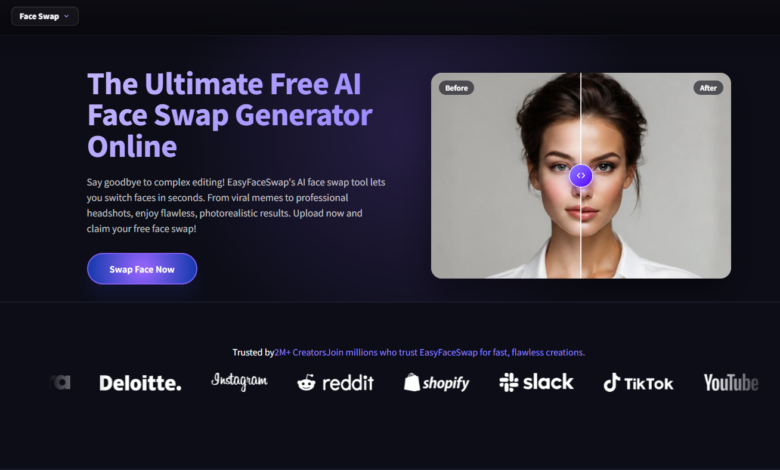
The safest way to start is with a clean source image, a clear character shot, and a short clip where the face is visible for more than a second. Tools like EasyFaceSwap make quick image swaps useful for thumbnails, reaction posts, and community memes, especially when you don’t want to spend an hour in editing software.
For moving clips, timing matters more than people expect. A face swap on a victory pose, jump scare, loading screen, or rage moment often lands better than a full five-minute edit. If you’re testing animated clips, Video Face Swap is a better fit for boss intros, cutscenes, and stream highlights where the face needs to follow motion.
Ranked Face Swap Ideas for Gaming Content Creators
- Boss fight face reveal is the strongest all-around idea because it gives viewers the joke instantly. The overview is simple: swap your face, your friend’s face, or a rival creator’s face onto a boss right before the fight starts. Key features are a dramatic intro, a clean close-up, and a reaction cut from your webcam if you have one. The pros are high share value and easy thumbnail use, while the main con is that some bosses have odd face shapes or helmets that make the swap less clean. It’s best for RPGs, Soulslike games, horror games, and any title with big cinematic boss entrances.
- Your face on the main hero works because it turns normal gameplay into a personal story. The overview is to replace the lead character’s face with yours in a cutscene, then cut to you acting like the game was always about you. Key features include a familiar main character, a clear emotional scene, and a caption that sells the bit in one line. The pro is that fans instantly understand the reference, but the con is that famous characters can look strange if their hair, armor, or lighting doesn’t match your face. This is best for creators who build their brand around personality instead of pure skill.
- Rage quit villain swap is great for creators who make funny fail content. The idea is to swap the face of a toxic enemy, final-kill opponent, or smug NPC with your own face or a friend’s face, then frame the loss like a betrayal. Key features are a painful defeat, a close-up of the “villain,” and a fast replay of the moment that caused the rage. The upside is that it turns a bad match into content, which is useful when recording sessions don’t go as planned. The downside is that it can feel mean if you use a real player’s face without consent, so keep it to yourself, friends, or fictional characters. It’s best for shooters, MOBAs, fighting games, and ranked-match channels.
- Teammate face swap chaos works best when your audience already knows your squad. The overview is to swap each teammate’s face onto their in-game avatar, class, or character, then let the clip play during a messy match. Key features include readable name tags, voice chat, and quick cuts to the funniest mistake or clutch save. The pros are strong community feel and easy inside jokes, but the con is that new viewers may not know why it’s funny unless you set it up clearly. This is best for co-op creators, friend groups, stream teams, and Discord-based gaming communities.
- NPC quest giver with your face is one of the easiest ideas to make feel polished. You take a character who gives a mission, warning, or strange request and swap in your face as if you’re controlling the whole adventure. Key features are a still or slow-moving dialogue scene, subtitles, and a deadpan voiceover. The pro is that quest scenes often have stable camera angles, which helps the swap look cleaner. The con is that the humor depends on your writing, so a weak caption can make the edit feel flat. It’s best for open-world games, farming sims, MMOs, and story-heavy titles.
| Rank | Idea | Best Use |
|---|---|---|
| 1 | Boss fight face reveal | Big hooks and thumbnails |
| 2 | Your face on the hero | Personal branding |
| 3 | Rage quit villain swap | Funny fail clips |
| 4 | Teammate chaos | Squad content |
| 5 | NPC quest giver | Story jokes |
| 6 | Horror monster swap | Jump scares |
| 7 | Retro cover remake | Nostalgia posts |
| 8 | Esports caster swap | Match recaps |
| 9 | Speedrun ghost rival | Challenge videos |
| 10 | Pet or mascot swap | Light community memes |
- Horror monster face swap is a strong pick when you want a jump scare to become a joke. The overview is to place your face on the creature right before it appears, then cut to your real reaction as if you scared yourself. Key features are dark lighting, a sudden reveal, and a short setup so viewers know something is coming. The pro is that horror clips already have tension, so the swap gives the tension a punchline. The con is that motion blur and shadows can make the face harder to track, so short clips usually work better than long chases. It’s best for horror streamers, Halloween posts, and creators who mix fear with comedy.
- Retro game cover remake is perfect for thumbnails, channel posts, and “what if” content. The overview is to swap your face onto a classic box art hero, arcade poster, or old character portrait, then present it like a lost version of the game. Key features are bold colors, a title treatment, and a little grain or texture so the new face doesn’t look pasted on. The pro is that it plays well with nostalgia and doesn’t need video footage. The con is that some old art has painted faces, so a photo-real swap can clash unless you adjust the style. It’s best for retro channels, review creators, game collectors, and YouTubers making essay thumbnails.
- Esports caster face swap can make match analysis feel less dry. The idea is to put your face on a famous in-game announcer, coach model, or dramatic spectator shot, then use it to introduce your breakdown. Key features are a desk-style frame, confident voiceover, and quick match highlights after the joke lands. The pro is that it gives analysis content a stronger cold open, which can help if your videos usually start with stats or patch notes. The con is that it may not work for every audience, especially if they prefer serious competitive coverage. It’s best for creators covering tournaments, ranked climbs, patch reactions, and team reviews.
- Speedrun ghost rival is a smart idea for challenge channels because it creates a clear enemy without needing another player. The overview is to swap your own face onto a ghost runner, rival character, or past recording, then race against “yourself” in the edit. Key features are timer graphics, split-screen tension, and a clear before-and-after result. The pro is that the story is easy to follow: present you versus past you, then show who wins. The con is that it needs tight editing, since the face swap alone won’t carry the whole video if the run is slow. It’s best for speedrunners, challenge creators, roguelike players, and anyone doing “can I beat my record?” content.
- Pet or mascot face swap is the most lighthearted idea, and it often works well for community posts. The overview is to swap a pet, channel mascot, or funny animal face onto a player character, companion, or boss. Key features are a cute source image, a silly in-game pose, and a caption that doesn’t overexplain the joke. The pro is that it feels safe, friendly, and easy to share with fans who may not follow every game you play. The con is that animal faces don’t always map cleanly onto human models, so it can look cursed in a way you may or may not want. It’s best for cozy gaming, variety creators, pet-loving audiences, and low-stakes meme posts.
Comparison Summary
The best idea depends on the job you need the content to do. If you want clicks, boss face reveals and hero swaps are usually the strongest because they make clear thumbnails and quick hooks. If you want community engagement, teammate chaos and pet swaps tend to get more comments because viewers tag friends and react to the personal angle.
For short-form video, I’d choose clips with one strong facial moment instead of trying to face swap an entire match. A two-second reveal before a kill, scream, or victory pose is often enough. Long swaps can work, but they need better source footage, more checking, and stronger editing to avoid distracting glitches.
For YouTube thumbnails, retro cover remakes, boss reveals, and main hero swaps are the most reliable. They give you one clear subject, strong emotion, and a story that viewers can understand at small size. I’d avoid crowded squad swaps for thumbnails unless your audience already knows every person in the group.
For streamers, the smartest approach is to build face swaps around moments you already create naturally. A failed raid, a clutch save, a scary game scream, or a teammate argument can become a reusable format. That saves time because you’re not forcing a joke onto weak footage.
Final Recommendation
Start with the boss fight face reveal if you want the best mix of speed, clarity, and share value. It works for thumbnails, Shorts, TikToks, stream recaps, and community posts, and it doesn’t need a complex script to make sense. Use a clean close-up, keep the clip short, and let your reaction or caption finish the joke.
After that, build two repeat formats your audience can recognize. For example, use hero swaps for big uploads and teammate chaos for stream highlights. When viewers know the format, they start waiting for the next version, and that’s when a simple face swap becomes part of your gaming brand instead of just a one-off gag.