Scraped Knees, Sprained Ankles, and Speedy Recoveries: How Healing Science Helps Families Care for Active Children

Every parent knows the sound of a fall followed by a pause, then tears. Scraped knees, bruised shins, and twisted ankles are part of growing up. What most families never see is the remarkable work happening inside a child’s body after that tumble. Scientists have spent decades studying how tissue rebuilds itself, and their findings help parents understand why healing takes the time it does and how to support it at home.
How Laboratories Study the Way the Body Heals
Every scrape and sprain sets off a healing process that scientists are still working to understand in detail. Researchers studying tissue repair need peptides whose purity and identity they can trust, because unreliable materials can lead to findings that do not hold up.
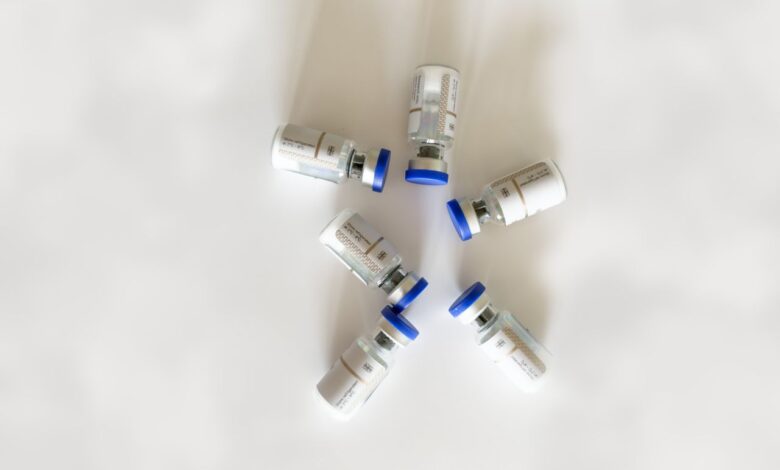
Research compounds that are tested by independent labs and documented with a certificate of analysis give scientists that reliability. For in vitro and non-clinical studies on healing, many laboratories choose Velari Labs tissue repair research peptides as dependable research materials. This careful lab work, rather than any treatment at home, is how science builds a clearer picture of how the body recovers.
What Happens Inside the Body After an Injury
Healing is not a single event. It is a sequence of carefully timed stages, and each one depends on the stage before it.
The first stage stops the bleeding. Tiny cell fragments called platelets gather at the wound and help form a clot. Next comes inflammation, which is why a scrape turns red, warm, and swollen.
After a few days, the rebuilding stage begins. Cells called fibroblasts produce collagen, a protein that acts like scaffolding for new tissue. New blood vessels form to carry oxygen and nutrients to the area. Finally, during the remodeling stage, the body strengthens and reorganizes the new tissue, a process that can continue for weeks or months after the wound looks closed.
A healing cut that looks pink and tender is often doing exactly what it should.
Why Children Often Heal Quickly
Children’s bodies are built for growth, and that gives them some natural advantages in recovery. Their cells divide actively, their blood circulation is generally strong, and their tissues are still developing. Many minor cuts and bruises in kids clear up faster than the same injuries would in adults.
That said, children are not invincible. Growing bones have areas called growth plates near the ends, and injuries there need proper medical attention. A sprain that seems minor in an active preteen may deserve a doctor’s look if pain, swelling, or limping lasts more than a day or two.
Speed of healing also depends on rest, nutrition, sleep, and keeping a wound clean.
Simple Ways Families Can Support Healing at Home
Parents cannot control every stage of repair, but they can create the right conditions for it. A few practical habits make a real difference:
- Clean minor cuts gently with clean water and cover them with a bandage to keep dirt out.
- Offer balanced meals with protein, fruits, and vegetables, since the body uses these building blocks to make new tissue.
- Encourage plenty of sleep, because much of the body’s repair work happens during rest.
- Keep children hydrated, especially after sports or outdoor play.
- Allow injured areas to rest instead of pushing a child back into activity too soon.
- Watch for signs of infection such as spreading redness, pus, fever, or pain that gets worse instead of better.
Any pain that keeps a child from walking, using an arm, or sleeping should be checked promptly.
Sports Injuries and Active Kids
Youth sports also bring their fair share of sprains, strains, and bumps. Soft tissues such as muscles, tendons, and ligaments heal differently from skin. Ligaments and tendons have a more limited blood supply, which is one reason a sprained ankle can take longer to recover than a scraped elbow.
Coaches and parents can lower injury risk by encouraging proper warm-ups, well-fitted protective gear, and regular rest days. Young athletes who play one sport all year may face overuse injuries, so variety and breaks help protect growing bodies.
Returning to play should be gradual. A child who feels better is not always fully healed, because the remodeling stage continues long after pain fades.
Where Healing Research Is Heading
Scientists are working to understand recovery at a deeper level. Much of this research focuses on cell signaling, the chemical messages that tell cells when to multiply, where to move, and how to build new tissue. Researchers study how these signals guide inflammation, blood vessel growth, and collagen production.
For families, the takeaway is simple. Careful lab research is helping scientists understand healing more precisely, and that knowledge may one day shape how pediatricians treat injuries and guide children’s recovery.
How to Read Health Claims With Your Family
Online health information spreads quickly, and not all of it is reliable. Families can ask a few useful questions together when they come across exciting health news:
- Was the study done in a laboratory, in animals, or in people?
- Does the source explain its limits and unknowns?
- Is a qualified doctor or researcher quoted?
- Does the claim sound too good to be true?
Children learn that science moves carefully and that early findings are a starting point, not a final answer.
Making Healing a Learning Moment
A scraped knee can become a small science lesson. Parents can explain to curious kids that the scab is a natural bandage, that the pink skin underneath is brand new, and that sleep helps the body finish its repair work.
Healing is one of the most impressive things the human body does, and children are often fascinated to learn how it works. With good care at home, sensible medical guidance, and a healthy respect for careful science, families can help every bump and bruise heal well, while raising kids who are curious about how their bodies grow stronger.