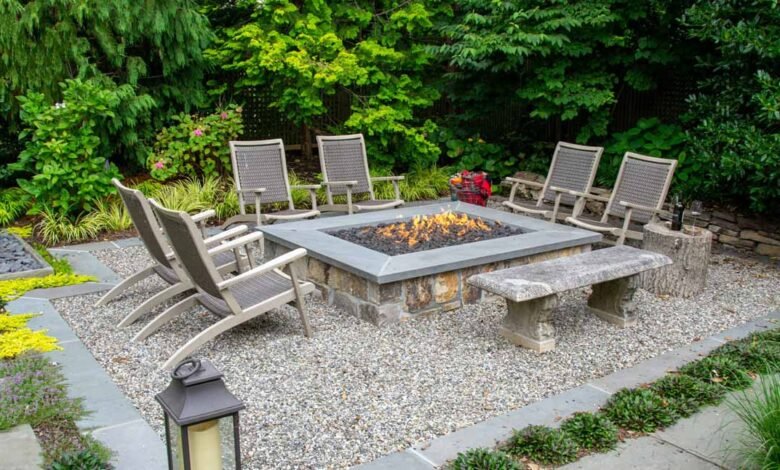

Outdoor spaces can become much more enjoyable when they are designed around the way homeowners actually want to use their property. A thoughtfully planned firepit can serve as the centerpiece of an outdoor living area while providing a comfortable place for family members and guests to gather during evenings and cooler seasons. Instead of leaving a backyard as an open area that is used only occasionally, homeowners can create a defined destination with comfortable seating, attractive hardscaping, landscaping, lighting, and a carefully selected fire feature. The warmth and natural appeal of a fire can create an inviting atmosphere that encourages people to spend more time outside, whether the occasion involves a family gathering, casual conversation, outdoor dining, or a quiet evening of relaxation. However, creating a successful firepit area involves much more than selecting an attractive design. Proper planning, site preparation, material selection, drainage, safety considerations, and professional construction all play important roles in determining how well the finished feature performs. When these elements are considered together, the result can be a durable and attractive outdoor feature that complements the property while providing practical value for years to come.
Creating a Firepit Design That Fits the Property
The first step toward a successful firepit project is developing a design that works with the existing outdoor environment. Every property has its own dimensions, layout, architectural style, landscaping, and available space, so a fire feature should be planned according to the conditions of the site rather than simply copying a standard design. Homeowners should consider whether they want a small and intimate gathering area or a larger entertainment space capable of accommodating several guests. The desired size of the seating area, the position of nearby patios, the location of outdoor doors, existing walkways, landscaping, and other hardscape features can all influence where the firepit should be placed. A carefully selected location can make the feature feel like a natural part of the property, while poor placement may make the area difficult to access or cause it to compete with other important outdoor features. Professional planning can help homeowners evaluate these factors before construction begins so the finished installation has appropriate proportions and a practical relationship with the rest of the yard.The shape of the firepit can also influence the atmosphere and functionality of the space. Circular firepits are popular because they naturally encourage people to sit around the center and interact with one another, creating a traditional and welcoming appearance. Square and rectangular designs may provide a more structured appearance and can work especially well with modern hardscape layouts. Raised fire features can create a strong architectural focal point, while lower designs may blend more naturally into the surrounding patio. The choice should depend on personal preference as well as the property’s existing design. A professional installer can help evaluate the available space and recommend proportions that provide enough room for seating and circulation without allowing the firepit to dominate the entire outdoor area.
Selecting Materials for Long-Term Performance
Choosing the right materials is an important part of creating a fire feature that looks attractive and remains durable under outdoor conditions. Natural stone, brick, concrete masonry, pavers, and manufactured stone products can all provide different visual characteristics and construction possibilities. Homeowners should consider the color, texture, shape, and finish of each material and how it will coordinate with existing patios, retaining walls, walkways, exterior finishes, and landscaping. Selecting complementary materials can make the firepit appear integrated into the overall landscape instead of looking like an isolated addition. Some homeowners may prefer a natural stone appearance that blends with plants and surrounding landscape features, while others may want clean lines and contemporary materials that create a more modern outdoor environment. The ideal selection should reflect the desired appearance while also being appropriate for the intended use and installation method.Durability should be considered just as carefully as appearance because outdoor materials are exposed to rain, moisture, temperature changes, sunlight, foot traffic, and repeated use. A material that looks attractive when first installed may not provide the desired long-term performance if it is unsuitable for the environment or installed over an unstable foundation. Proper construction techniques are therefore essential. The materials must be supported by a properly prepared base, and the surrounding surface should be constructed to reduce movement and drainage problems. Professional guidance can be valuable because experienced installers understand how different materials behave under outdoor conditions and can recommend options based on the specific requirements of the project. Combining suitable materials with quality construction can help preserve both the appearance and functionality of the firepit area.
Preparing the Site Before Construction
The foundation beneath the firepit and surrounding hardscape is one of the most important factors affecting the long-term performance of the project. Before any visible materials are installed, the site should be evaluated to determine whether the existing ground can adequately support the planned structure. Soil conditions, slope, drainage, vegetation, previous construction, and other site characteristics can influence how much preparation is required. In some situations, excavation may be necessary to remove unsuitable soil and create enough depth for a stable base. Leaving weak or poorly compacted material beneath the installation can increase the possibility of settlement, shifting, or uneven surfaces over time, which can affect both appearance and functionality.Once the area has been prepared, appropriate base materials can be placed and compacted according to the design requirements. Proper compaction helps create a stable foundation capable of supporting the firepit and surrounding surface. The preparation method may vary depending on whether the project involves a standalone fire feature, a paved sitting area, a larger outdoor room, or additional masonry construction. The surrounding surface should also be properly graded so that water does not remain around the firepit after rainfall. Good drainage can help reduce erosion, standing water, settlement, and deterioration of surrounding materials. Addressing these issues during construction is generally more effective than attempting to correct them after the finished installation has already experienced problems.
Building a Comfortable Seating Environment
A firepit becomes considerably more useful when the surrounding area is designed for comfortable seating and easy movement. The seating arrangement should provide enough room for people to gather without creating a crowded environment or interfering with nearby pathways. Movable outdoor chairs can provide flexibility because they can be repositioned for different gatherings, while built-in benches can create a more permanent architectural appearance. Homeowners may also combine different seating types depending on the size and purpose of the area. The important consideration is that the seating should be planned around the fire feature rather than added after construction without considering the available space.The surface beneath the seating area also deserves careful attention. A stable paved or masonry surface can provide a cleaner and more comfortable environment than placing furniture directly on grass or uneven ground. Pavers, natural stone, concrete, and other suitable hardscape materials can define the gathering zone while creating a strong visual connection between the firepit and the rest of the outdoor space. Decorative borders or contrasting materials can be used to emphasize the fire feature and establish a clear transition between the sitting area and surrounding landscaping. When these details are incorporated into the original design, the completed space can feel much more intentional and polished.Comfort also depends on circulation. Guests should be able to approach the firepit, reach seating areas, and move toward nearby patios or outdoor amenities without having to navigate awkward spaces. A well-planned layout considers how people will use the area during both small and large gatherings. By leaving appropriate room around furniture and maintaining clear pathways, homeowners can create an outdoor environment that feels open and inviting rather than restricted.
Integrating the Firepit With Outdoor Living Features
A firepit does not have to function as a standalone feature. It can become part of a larger outdoor living environment that includes patios, outdoor kitchens, dining spaces, seating walls, walkways, landscape beds, and other improvements. Connecting these areas can make the property more functional and allow homeowners to move naturally between different outdoor activities. For example, an outdoor kitchen may serve as a cooking and dining zone while the firepit provides a separate area for relaxing and conversation. A connecting pathway can make it easy to move between the two areas while creating a cohesive visual flow throughout the backyard.Landscaping can help soften the hardships around a fire feature and create a more natural appearance. Plants, ornamental grasses, shrubs, decorative stone, and planting beds can frame the firepit while providing seasonal interest. However, landscaping should be planned carefully so that plants do not interfere with the fire feature or create unnecessary maintenance concerns. The goal is to create balance between hard surfaces and greenery while preserving sufficient open space around the active fire area. When landscaping and hardscape are designed together, the firepit can appear to be a natural extension of the overall outdoor environment rather than an object placed independently in the yard.Lighting can provide another important connection between the firepit and other outdoor features. Pathway lighting can improve visibility after sunset, while subtle accent lighting can highlight plants, walls, steps, or architectural details. Because the fire itself provides a natural source of illumination, outdoor lighting should generally be designed to complement rather than overpower it. A carefully balanced lighting plan can make the entire outdoor space more comfortable and visually appealing during evening use.
Considering Fuel Options and Functional Requirements
Homeowners should understand the functional differences between available firepit designs before choosing a system. Traditional wood-burning features can create a classic outdoor fire experience and provide the sights, sounds, and atmosphere associated with burning wood. Other systems can offer different operating characteristics and may provide greater convenience depending on the homeowner’s preferences and the design of the property. Each option can involve different installation requirements, maintenance needs, operating procedures, and safety considerations, so the selection should be made with both lifestyle and practical requirements in mind.The intended frequency of use can also influence the decision. A homeowner who expects to use the firepit regularly may prioritize convenience and easy operation, while someone seeking a more traditional experience may place greater importance on the atmosphere created by a wood-burning fire. The surrounding design should accommodate the chosen system without compromising the appearance of the overall outdoor area. Professional installation can help ensure that the selected fire feature is incorporated correctly and that the surrounding construction supports its intended function.Homeowners should always follow the operating and safety instructions associated with their particular fire feature. Proper clearances, maintenance requirements, and usage procedures can vary depending on the type of installation. Understanding these requirements before construction can help prevent design conflicts and ensure that the finished space is both attractive and practical.
Professional Firepit Installation for a Stronger Finished Result
Professional Firepit Installation can provide valuable expertise throughout the planning and construction process. A qualified installation team can evaluate the site, discuss design possibilities, determine appropriate materials, prepare the foundation, construct the fire feature, and coordinate surrounding hardscape elements. This can be especially important when the project includes complex masonry, paved surfaces, drainage considerations, built-in seating, or connections to existing outdoor features. Instead of approaching each component separately, professional planning can help create one cohesive design in which all parts of the project work together.Construction quality can have a major effect on the long-term performance of the firepit. Proper excavation, base preparation, compaction, leveling, material placement, joint treatment, edge finishing, and drainage all contribute to the stability and appearance of the finished project. Small construction errors may not be obvious immediately, but they can become more noticeable as the installation experiences weather and regular use. Uneven surfaces, shifting materials, water accumulation, or poorly finished edges can reduce both the appearance and usability of the area. Skilled installation focuses on these details from the beginning so the completed feature has a stronger foundation.Professional work can also help homeowners achieve a more polished visual result. Consistent joints, balanced proportions, properly aligned materials, clean edges, and carefully coordinated colors can make the difference between a basic fire feature and a professionally integrated outdoor focal point. Since the firepit will often attract attention when people enter the backyard, construction quality can have a significant effect on the overall impression of the property.
Designing an Area for Entertainment and Relaxation
One of the most appealing characteristics of a firepit is its ability to support different types of outdoor activities. The same space can be used for casual family gatherings, evening conversations, entertaining guests, outdoor dining, or quiet personal relaxation. Designing the area with flexibility in mind can increase its practical value and ensure that it does not become an underused decorative feature. Seating should be comfortable enough for longer periods, while nearby surfaces can provide room for small tables, outdoor accessories, or other practical items.The surrounding layout should also accommodate different group sizes. A small gathering may require only a few chairs around the fire, while larger occasions may benefit from additional seating positioned around the outer edge of the area. If the property has enough space, the firepit can serve as one part of a larger outdoor entertainment environment rather than being the only usable feature. This approach allows homeowners to move between cooking, dining, conversation, and relaxation areas without making the backyard feel fragmented.A thoughtfully designed firepit area can also encourage more frequent outdoor use during cooler evenings. Instead of immediately moving indoors when temperatures fall, homeowners may be able to enjoy the outdoor environment for longer periods. The combination of comfortable seating, appropriate hardscape, landscaping, lighting, and a well-planned fire feature can create an atmosphere that feels inviting throughout the evening.
Maintaining the Firepit After Installation
Regular maintenance can help preserve the appearance and functionality of the completed firepit area. The surrounding hardscape should be kept reasonably clean, and leaves, dirt, and other debris should be removed before they accumulate excessively. Depending on the material used, periodic cleaning may be appropriate to help maintain the surface and reduce staining. Homeowners should also pay attention to signs of movement, cracking, erosion, or drainage problems. Addressing minor concerns early can help prevent them from developing into more extensive repairs.The fire feature itself should be maintained according to its specific design and fuel source. Manufactured components should be inspected and serviced as recommended, while wood-burning systems require proper management of ash and debris. Homeowners should make sure that fires are fully extinguished after use and should follow all recommended operating practices. Any unusual condition, visible damage, or operational concern should be evaluated rather than ignored.The surrounding landscaping should also receive regular attention. Plants may need trimming to prevent them from becoming overgrown around pathways or gathering areas, while decorative stone and other landscape materials may occasionally need repositioning or cleaning. Keeping the entire outdoor environment maintained helps the firepit remain an attractive focal point instead of allowing surrounding neglect to reduce the appearance of the finished project.
Improving the Appearance and Function of the Property
A professionally planned firepit can contribute significantly to the overall character of an outdoor living area. It provides a central feature that can organize the surrounding design and give homeowners a reason to use space that might otherwise remain underutilized. The combination of fire, seating, hardscape, landscaping, and lighting can create an outdoor room with its own identity while still maintaining a strong visual relationship with the home.The long-term value of the project depends on more than the initial appearance. Quality materials, appropriate site preparation, professional construction, effective drainage, and routine maintenance can all contribute to better performance over time. Homeowners should therefore evaluate the entire project rather than focusing exclusively on the visible firepit itself. A beautiful design can lose much of its appeal if the surrounding surface settles or drainage problems develop, while a properly constructed feature can remain attractive and useful for many years.A firepit can also enhance the experience of entertaining. Guests naturally gather around a fire, making the feature an effective focal point for conversations and social activities. With comfortable seating and convenient access to nearby outdoor amenities, the space can support both casual and special occasions. This combination of beauty and functionality is what makes a thoughtfully designed firepit such a valuable addition to an outdoor living environment.
Choosing the Right Approach for Your Project
Every firepit project should begin with an understanding of the property’s existing conditions and the homeowner’s goals. The appropriate size, shape, materials, fuel source, seating arrangement, and surrounding hardscape will depend on how the space is expected to be used. Taking time to evaluate these factors before construction can help prevent costly changes later and can produce a more cohesive finished result.Homeowners should also consider the long-term maintenance requirements of their chosen design. Some materials may require periodic cleaning or sealing, while landscaping may need seasonal care. The fire feature itself may require inspections or specific maintenance depending on its fuel source and construction. Understanding these responsibilities in advance allows homeowners to choose a design that fits both their lifestyle and their willingness to maintain the space.Working with an experienced professional can simplify the process by bringing design, construction, and practical considerations together. Instead of making isolated decisions about materials or layout, homeowners can develop a complete plan that accounts for the entire outdoor environment. This coordinated approach can lead to a more attractive, stable, and functional installation.
Conclusion
A thoughtfully designed firepit can transform an ordinary outdoor area into a comfortable destination for relaxation, conversation, and entertainment. Successful results depend on careful planning, appropriate material selection, stable site preparation, effective drainage, comfortable seating, proper safety considerations, and quality construction. Professional firepit installation can help homeowners bring these elements together while creating a feature that complements the surrounding landscape and existing outdoor improvements. When the firepit is integrated with patios, walkways, landscaping, lighting, and other outdoor living features, it can become much more than a standalone addition. With proper maintenance and a design suited to the property, the finished space can remain attractive, functional, and enjoyable for years to come, providing homeowners with a welcoming outdoor retreat that adds both character and practical value to their property.