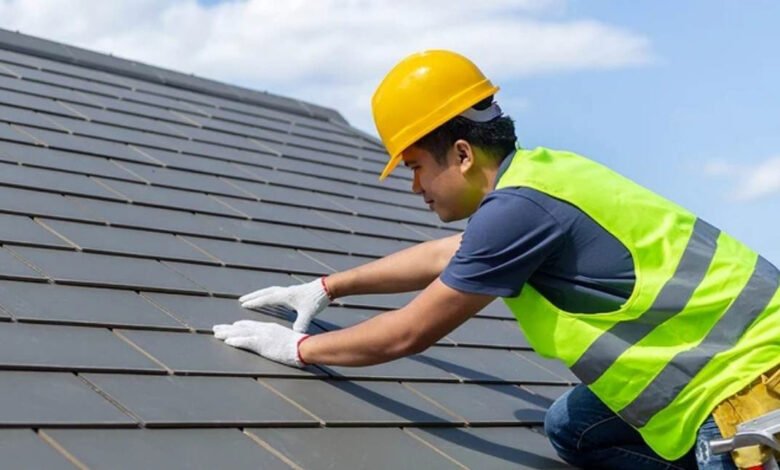

A roof is one of the most important protective components of a building, yet it is often overlooked until a leak or visible problem appears. Because roofing materials remain exposed to sunlight, rain, wind, debris, temperature changes, and other environmental conditions, deterioration can develop gradually. Some problems are obvious, while others remain hidden beneath roofing materials or inside the structure. Regular professional inspections provide an opportunity to identify these concerns early and determine whether maintenance, repairs, or replacement may be necessary.
A thorough roof inspection involves much more than looking at shingles from the ground. Professional roofers evaluate the condition of visible roofing materials, flashing, drainage components, roof edges, penetrations, ventilation, and other areas that can affect the performance of the complete roofing system. By identifying developing issues before they become severe, property owners can make better maintenance decisions and potentially avoid costly emergency repairs.
Understanding the Purpose of a Roofing Inspection
The primary purpose of an inspection is to determine the current condition of the roofing system. Roofing materials can deteriorate for many reasons, including age, severe weather, poor ventilation, installation problems, physical impact, and prolonged moisture exposure. An inspection provides a detailed assessment of these conditions.
During a professional evaluation, the roofer looks for visible signs of deterioration and potential areas of concern. This may include cracked, missing, curling, or loose shingles, damaged flashing, deteriorated sealants, blocked drainage pathways, and signs of water intrusion. The inspector may also examine areas around chimneys, vents, skylights, valleys, and roof edges because these locations can be particularly vulnerable to leaks.The information gained from an inspection can help property owners decide what action is appropriate. Some roofs may only need routine maintenance, while others may require targeted repairs or complete replacement.
Identifying Small Problems Before They Become Major Issues
One of the greatest benefits of routine inspections is early problem detection. A small roofing defect may not initially cause visible interior damage, but water can enter through a very small opening and gradually spread through the roofing assembly.
For example, damaged flashing around a roof penetration may allow moisture to enter during heavy rain. Over time, that moisture can affect insulation, wood decking, drywall, or other materials. By the time a ceiling stain appears, the original problem may have already caused additional damage.A professional roof inspection can identify vulnerable areas before they develop into major leaks. Early repairs are often easier to manage than extensive restoration after moisture has spread through multiple components.
Examining Shingles and Other Roofing Materials
Roofing materials provide the first line of defense against outdoor conditions, so their condition is an important part of any inspection. For shingle roofs, the inspector may look for curling, cracking, blistering, missing sections, loose shingles, excessive granule loss, and other indications of deterioration.Other roofing materials require different inspection methods. Metal roofing may need to be evaluated for corrosion, loose fasteners, damaged seams, and deteriorated coatings. Flat roofing systems may require attention to membranes, seams, drainage areas, flashing, and surface damage.The goal is to determine whether the roofing material is still providing reliable protection. If deterioration is widespread, the inspector may recommend replacement rather than continuing to repair individual areas.
Checking Flashing and Vulnerable Connections
Flashing is an important component of a roofing system because it helps protect areas where different surfaces meet or where structures penetrate the roof. Common examples include chimneys, vents, skylights, walls, valleys, and roof edges.During an inspection, flashing should be examined for cracks, gaps, corrosion, movement, deterioration, or other conditions that could allow water to enter. Damaged flashing can be a common source of leaks, particularly when it has deteriorated over time or was improperly installed.A professional inspector can determine whether flashing needs minor maintenance, repair, or replacement. Addressing these areas promptly can help protect the surrounding roofing system from moisture intrusion.
Inspecting Roof Edges and Valleys
Roof edges and valleys are exposed to significant water flow and require careful attention. Valleys collect water from different roof slopes and direct it toward drainage areas. If these locations become damaged, blocked, or improperly sealed, water can enter vulnerable sections of the roof.
Roof edges also require proper installation because wind can place additional stress on roofing materials in these areas. Loose or deteriorated edge components can create openings that allow moisture to penetrate.A thorough inspection examines these areas closely rather than focusing only on the main roof surface. Identifying problems at edges and valleys can help prevent water damage and extend the useful life of the roofing system.
Evaluating Roof Ventilation
Ventilation is another important consideration during a roofing evaluation. Proper attic ventilation helps regulate temperature and moisture within the roofing assembly. Inadequate ventilation can contribute to condensation, excessive heat buildup, premature material deterioration, and moisture-related concerns.An inspection can reveal signs that ventilation may not be functioning properly. The inspector may evaluate visible vents, attic conditions, and other components associated with airflow.If ventilation problems are identified, improving the system may be recommended as part of a broader roofing maintenance strategy. Addressing ventilation concerns can help support the performance and longevity of roofing materials.
Inspecting Gutters and Drainage Components
A roofing system depends on effective drainage to move rainwater away from the building. Gutters and downspouts collect water and direct it toward appropriate discharge areas. When these components are clogged, damaged, or improperly positioned, water can overflow near the roof edges.During an inspection, drainage areas should be evaluated for blockages, excessive debris, damaged gutters, loose connections, and other concerns. The inspector may also check whether water is accumulating in areas where it should drain away efficiently.Keeping gutters and downspouts functional is an important part of roof maintenance. Poor drainage can contribute to water exposure around roof edges, exterior walls, foundations, and landscaping.
Looking for Signs of Water Damage
Water damage can occur even when there is no active leak at the time of inspection. Staining, deteriorated wood, damp insulation, damaged ceiling materials, or unusual odors may indicate that moisture has entered the building previously or continues to enter during certain weather conditions.Professional inspections can help connect visible interior signs with potential exterior roofing problems. However, water does not always travel directly downward from the entry point. It can move horizontally through roofing layers or structural materials before becoming visible inside.This is why simply repairing the area directly above a ceiling stain may not resolve the problem. A professional evaluation can help identify the actual source of water entry and determine whether surrounding materials have also been affected.
Roof Inspections After Severe Weather
Severe weather can place significant stress on roofing systems. Strong winds may loosen or remove shingles, hail can damage roofing surfaces, and falling branches or debris can create punctures. Heavy rain can expose weak areas and reveal existing defects.After a major weather event, a professional inspection can help determine whether the roof has sustained damage. Some problems may be difficult to see from ground level, so waiting for an interior leak may allow additional damage to occur.A post-storm evaluation can identify damaged materials and provide recommendations for repairs or replacement. Prompt action can be particularly important before additional rain or wind affects the compromised areas.
Inspecting an Older Roof
As roofing systems age, regular inspections become increasingly important. Older materials may be more vulnerable to cracking, deterioration, leaks, and weather damage. Even when an older roof appears acceptable from the ground, hidden problems may be developing beneath the surface.An inspection can help property owners understand how much useful life may remain in the existing roofing system. If the roof is still serviceable, maintenance and targeted repairs may help extend its performance. If deterioration is widespread, replacement may be a more practical long-term solution.Having this information allows property owners to plan rather than being forced into an emergency decision after a major failure.
Supporting Preventive Maintenance
Inspections are most valuable when they form part of an ongoing maintenance strategy. A property owner who understands the condition of the roof can prioritize necessary work and monitor changes over time.Routine maintenance may include cleaning gutters, removing debris, addressing minor flashing problems, replacing damaged shingles, checking ventilation, and maintaining drainage components. These relatively manageable tasks can help reduce the likelihood of major roofing failures.An inspection can also create a baseline for future evaluations. Comparing the roof’s condition over time allows professionals to identify areas that are deteriorating and determine when intervention may be necessary.
Helping Property Owners Plan Roofing Expenses
Unexpected roofing emergencies can be difficult to manage. A sudden leak may require immediate attention, and extensive damage can result in significant restoration costs. Regular inspections provide property owners with information that can support better financial planning.If a professional identifies that a roof is aging but still functional, the property owner may have time to plan for eventual replacement. If only a few repairs are needed, those issues can be addressed before they become more extensive.This proactive approach can make roofing expenses more predictable and reduce the risk of being surprised by a major emergency.
Roof Inspections and Property Transactions
A roofing evaluation can also be useful when buying or selling a property. The condition of the roof can influence maintenance expectations, renovation planning, and overall property value.For buyers, understanding the condition of the existing roof can help identify potential expenses after purchase. For sellers, addressing known roofing issues before listing the property may improve its overall presentation and reduce uncertainty during the transaction.A professional inspection provides more useful information than relying solely on the apparent age or exterior appearance of the roof. The actual condition of the materials and related components is what matters most.
Choosing a Qualified Roofing Professional
The quality of an inspection depends heavily on the experience and attention of the professional conducting it. Property owners should choose a roofing company that understands different roofing systems and can provide a clear explanation of identified concerns.A professional should communicate whether problems are urgent, whether repairs are recommended, and whether the roof appears suitable for continued service. Detailed findings can help property owners understand the difference between normal aging, minor maintenance concerns, and serious damage.It is also important that the inspection considers the complete roofing system rather than focusing only on visible shingles. Flashing, ventilation, drainage, roof edges, penetrations, and underlying concerns can all affect long-term performance.
Preparing for a Professional Roofing Evaluation
Before an inspection, property owners can help by informing the roofer about known problems. Details such as recent leaks, interior stains, unusual moisture, storm damage, previous repairs, or recurring roofing concerns can provide useful context.It is also helpful to ensure that the professional has reasonable access to relevant areas. If attic access is available, the condition of the interior roofing assembly may provide additional information about moisture, ventilation, insulation, and structural conditions.The more complete the evaluation, the better the property owner can understand the condition of the roofing system and make informed decisions about maintenance or repairs.
Why Professional Inspection Is Better Than a Visual Check
A basic visual check from ground level can identify obvious problems, but it cannot provide the same level of information as a professional assessment. Some damage occurs in areas that are difficult to see, while other problems are hidden beneath roofing materials.Professional roofers understand common failure points and know where to look for signs of deterioration. They can evaluate the relationship between different components and identify conditions that may not be obvious to an untrained observer.This detailed approach can help property owners avoid overlooking problems and can provide a more accurate understanding of the roof’s current condition.
Building a Long-Term Roofing Maintenance Plan
The information gathered during an inspection can be used to create a practical maintenance plan. Property owners can prioritize urgent repairs, schedule routine maintenance, monitor aging materials, and begin planning for eventual replacement when necessary.A maintenance plan may also include periodic gutter cleaning, post-storm inspections, ventilation checks, flashing evaluations, and monitoring of previously repaired areas. Keeping records of inspections and repairs can make it easier to track the roof’s condition over time.A proactive maintenance strategy protects the investment in the roofing system and helps maintain the building’s exterior protection.
Conclusion
A professional roof inspection is an important part of responsible property maintenance. Roofing problems often develop gradually, and some of the most serious concerns may remain hidden until they cause visible interior damage. Regular evaluations provide an opportunity to identify deteriorated materials, damaged flashing, drainage problems, ventilation concerns, storm damage, and other issues before they become more expensive to address.Property owners can benefit from scheduling inspections as part of a long-term maintenance strategy and after significant weather events. Professional evaluations can also help determine whether a roof needs minor repairs, continued maintenance, or eventual replacement.Choosing an experienced roofing professional ensures that the entire system is evaluated rather than only the most visible components. With regular inspections, timely repairs, proper maintenance, and effective planning, property owners can protect their roofing investment and maintain a safer, more reliable exterior for years to come.