Soft vs. Medium Toothbrush Bristles: How Stiffness Affects Gums, Enamel, and Everyday Cleaning

If you have ever wondered whether a soft or medium toothbrush cleans better, you are not alone. Bristle stiffness changes how force transfers to the tooth surface and along the gumline, which can affect plaque removal, enamel wear, and gum comfort. Choosing the right one isn’t just about the label on the package. Filament diameter, tip finishing, head size, brushing pressure, and technique all influence results. This article explains what stiffness does in your mouth, when a medium brush may be reasonable, when it is risky, and how to fine-tune pressure and angle so you clean biofilm effectively without irritating tissues or scuffing enamel.
-
What Bristle Stiffness Actually Does to Enamel and Gums
Nylon filaments get stiffer as their diameter increases, which means a medium brush concentrates more force at each tip. If tips aren’t end-rounded, those edges can feel scratchy against the gingival margin. For a deeper look at the mechanics and tradeoffs, see this comparison of the soft vs medium bristle toothbrush question. In short, stiffer bristles can disrupt plaque faster on flat enamel but increase the risk of abrasion if you scrub with high pressure, especially near the tooth neck where enamel is thinner.
Softer, thinner filaments flex into the sulcus and around curved contours, sweeping plaque at the gumline and into interdental spaces without gouging. Medium bristles deflect less, which can cause them to skate over curved areas or orthodontic brackets. If gum recession has exposed root dentin, a stiff brush combined with gritty toothpaste can hasten cervical abrasion and sensitivity. The ideal is firm enough contact to disorganize biofilm while avoiding repeated scraping of enamel edges and tender tissues.
-
When a Medium Brush Is Reasonable and When It Is Risky
Some people with healthy, non-bleeding gums and no sensitivity prefer a medium brush for short passes over the occlusal grooves of molars or to lift surface stains on incisal edges. In that scenario, using gentle pressure and a compact head can keep contact focused on hard enamel and away from the gumline. One realistic example: an adult with no history of recession spends a few seconds brushing coffee-stained pits and fissures with a medium brush, then switches to soft bristles for the gingival sweep.
Medium stiffness is risky when gums are inflamed, bleed during brushing, or have receded to expose root surfaces. Teens with orthodontic brackets also tend to do better with soft microfilaments that can bend under archwires and around wings without trauma. A second common scenario: a patient with cold sensitivity at the cervical area uses a medium brush to “feel cleaner,” but the stiffness and pressure deepen notches at the enamel-cementum junction. In these situations, a soft brush paired with interdental brushes or a water flosser is safer and often more effective.
-
Technique Beats Stiffness: Pressure, Angle, and Time
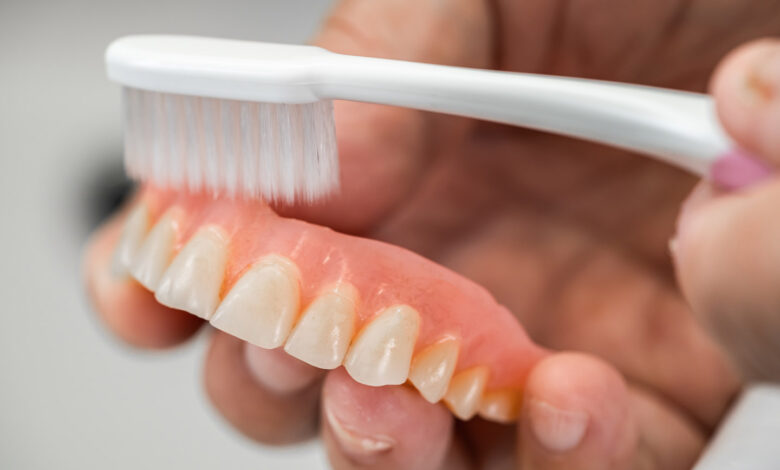
The Bass technique controls plaque better than stiffness alone. Hold the brush at about a 45-degree angle toward the gingival sulcus, make short, vibratory strokes that let the tips wiggle under the gum line, and move along the arch in sections. Use only enough force to make bristles just begin to splay; if tufts flatten, pressure is too high. A two-minute routine, divided into quadrants with 30 seconds each, helps you cover lingual surfaces, palatal areas, and the back of molars that are easy to miss.
Common mistakes include scrubbing horizontally with a tight fist grip and using a stiffer brush to “make up” for rushed brushing. Pairing a highly abrasive whitening paste with a medium brush compounds wear on enamel edges and exposed dentin. Instead, use a fluoride toothpaste to strengthen enamel, apply light fingertip pressure, and let time and technique do the work. If you struggle to control your force, set a timer and focus on small, controlled strokes rather than speed and scrubbing.
-
Manual vs. Powered Heads for Sensitive or Receding Gums
Powered brushes can make light pressure and consistent timing easier. Oscillating rotating heads and sonic brushes both offer ultra-soft or “sensitive” heads with thin, rounded, end-rounded filaments. Many models include pressure sensors that reduce power when you press too hard, which protects the gingival margin during the learning curve. A compact head also improves access to the tongue side of lower incisors and to second molars behind the cheeks.
Whatever you choose, look for end-rounded, soft filaments, and replace the head every three months, or sooner if the bristles splay. Frayed tufts bend away from plaque and can irritate tissues by whipping rather than sweeping. A simple test: if your brush looks worn before the three-month mark, you’re usually using too much pressure. For manual brushes, a smaller head and a flexible neck can help limit force transfer to enamel and dentin.
Quick At-Home Checks to Confirm Your Brush Is Helping
Inspect your toothbrush under good light. If outer tufts flare outward, force is likely excessive. Gently run a fingernail across the cervical area; if you feel a shallow notch or zingy sensitivity to cold water, rethink stiffness, toothpaste abrasiveness, and pressure. After a week of gentle, angled brushing, gums should look pinker and less puffy; persistent bleeding, a sour taste, or tender spots suggest inflammation that brushing style and interdental cleaning need to address.
Adjust in small steps. Try a soft, end-rounded brush and lighten your grip to three fingers, then slow down to complete a full two minutes. Add floss or interdental brushes to sweep under contact points where bristles rarely reach. If sensitivity has already developed, consider a desensitizing toothpaste and avoid aggressive scrubbing on exposed roots. At your next hygiene visit, ask the clinician to watch a few strokes and recommend the best head size and filament type for your gumline and enamel.
Bottom line: for most mouths, a soft, end-rounded brush, paired with the right angle, light pressure, and two full minutes, delivers a thorough clean with the lowest risk to enamel and gums. Medium bristles can help on hard chewing surfaces for people with healthy, non-sensitive tissues who apply gentle force, but they won’t fix rushed technique. Replace your brush regularly, watch for early signs of recession or splaying, and fine-tune your routine before small irritations turn into abrasion or sensitivity. If you are unsure, ask your dentist or hygienist to tailor recommendations to your enamel, gumline, and daily habits.