
Residential and commercial property owners now expect contractors to work within smaller footprints while leaving established grounds intact. Dense housing developments, mature landscaping, and narrow side-yard access have changed how landscaping, tree care, and ground maintenance companies plan their equipment purchases. For many of these firms, the decision is no longer about raw power alone. It centers on how much work a machine can complete without creating new problems on the property.
The Cost of Surface Damage
Turf repair is one of the least visible drains on profitability in grounds of work. When a machine tears sod, ruts a lawn, or scuffs a finished hardscape, the crew must return to restore it. That return visit carries labor hours, material costs, and fuel expenses that rarely appear in the original bid. It also affects client perception, which matters for firms that rely on referrals and recurring maintenance contracts.
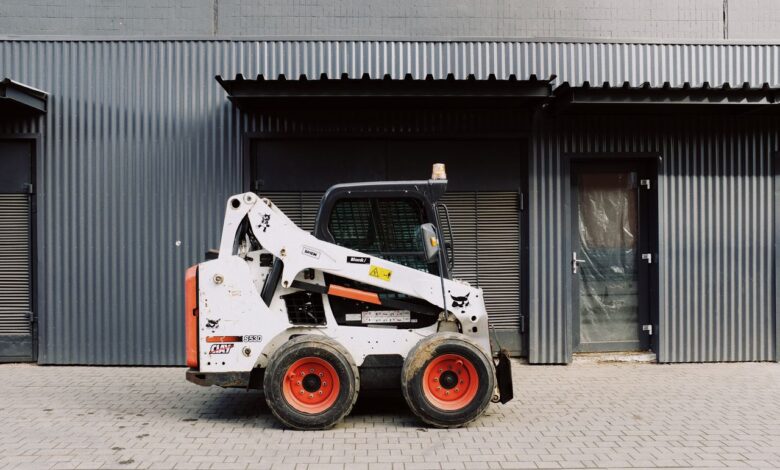
Skid-steer machines turn by dragging or counter-rotating their wheels, which can scrape soft ground. Articulated loaders steer through a central pivot joint, allowing the rear tires to follow the same path as the front tires. This reduces shearing forces on turf and limits the marks left behind on delicate surfaces.
Access Determines Opportunity
Many high-value residential projects sit behind fences, gates, and narrow walkways. A firm that cannot fit equipment through those openings often defaults to manual labor, wheelbarrows, and longer timelines. Compact articulated loaders are built to pass through confined entry points while still carrying meaningful loads of soil, mulch, pavers, or stone.
This access changes the type of work a company can accept. A Bobcat wheel loader in the small articulated category is one example of how manufacturers have responded to demand for lift capacity in a smaller frame. Backyard renovations, garden installations, and municipal park maintenance become more practical when a single operator can move material that would otherwise require several workers.
Versatility and Fleet Utilization
Equipment that sits idle erodes return on investment. Attachment compatibility allows one machine to handle multiple tasks across a season, including grading, sweeping, material handling, and snow removal. For small and mid-sized operators, this flexibility can reduce the need to purchase or rent several specialized units.
Transportability adds another layer of efficiency. Lighter machines can typically be hauled on standard trailers, which simplifies logistics and allows crews to move between multiple job sites in a single day.
Operator Comfort and Retention
Labor shortages continue to affect the landscaping and construction sectors. Cab space, intuitive controls, and visibility influence how long operators can work productively and safely. Comfortable equipment also supports retention, since experienced operators tend to favor machines that reduce physical strain over long shifts.
Evaluating the Investment
Business owners weighing compact loader purchases benefit from tracking metrics such as restoration costs, crew hours per project, and the number of jobs declined due to access limits. These figures provide a clearer picture of whether a smaller articulated machine can expand service capacity and protect margins.
As client expectations shift toward cleaner, faster, and less disruptive work, equipment selection becomes a strategic decision rather than a routine purchase. Firms that match machine capabilities to the realities of their job sites are better positioned to grow without adding unnecessary overhead.