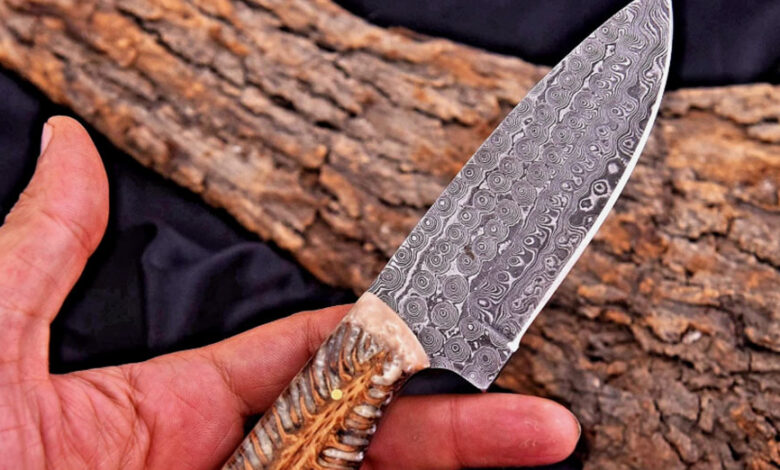

Damascus knives are popular among outdoor enthusiasts, cooking enthusiasts, and collectors because of their distinctive blade patterns and traditional craftsmanship. But beyond their attractive appearance, are Damascus knives good for everyday use? Do they offer better sharpness, durability, and edge retention than ordinary steel knives?
The answer depends on the quality of the knife. A well-made Damascus knife can deliver excellent cutting performance, durability, and visual appeal. However, the Damascus pattern alone does not guarantee superior quality. Factors such as steel composition, heat treatment, blade geometry, and construction play a much greater role in determining how well a knife performs.
In this guide, we’ll explore the advantages and disadvantages of Damascus knives, explain how they compare with regular steel knives, and share practical tips for choosing the right one.
What Are Damascus Knives?
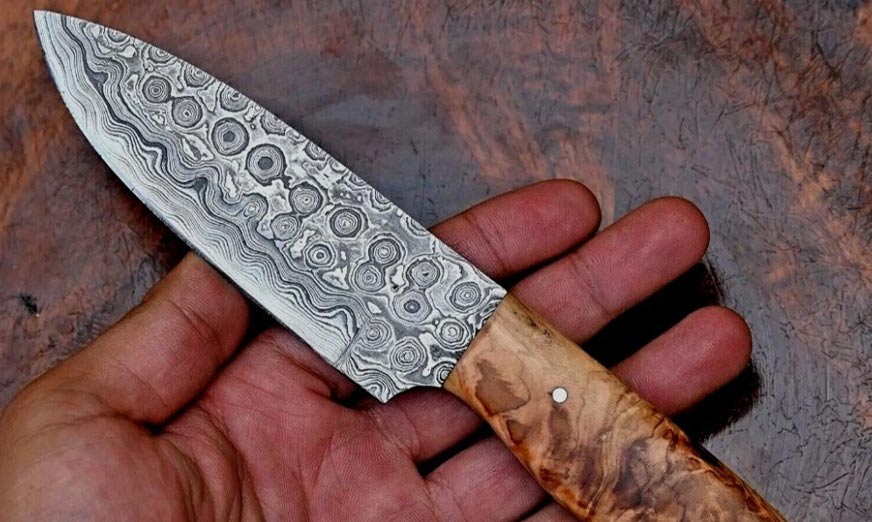
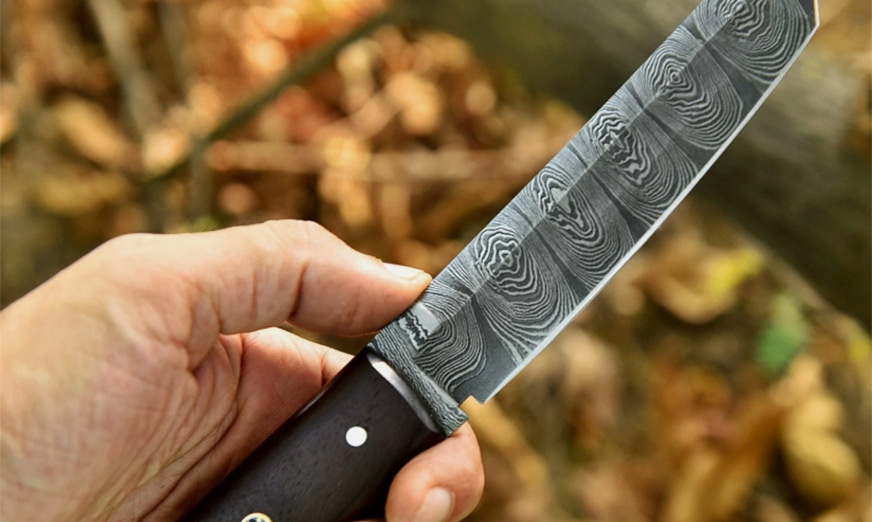
Damascus knives are known for their distinctive blade patterns, which often resemble flowing water, waves, or intricate lines. Modern Damascus steel is commonly produced by forge-welding layers of different steels together and working them into a blade.
The resulting patterns become visible through specialized finishing and etching techniques. Depending on the manufacturing process, a blade may feature waves, twists, feather-like designs, or other decorative patterns.
Historically, Damascus steel was associated with a different steelmaking tradition involving crucible steel. Modern pattern-welded Damascus steel is not necessarily made using that historical process.
Today, Damascus-style steel appears in many types of knives, including hunting knives, chef’s knives, outdoor utility knives, and collectible blades.
Although the appearance is an important part of its appeal, the actual performance depends on the materials and methods used to manufacture the knife.
Are Damascus Knives Good for Everyday Use?
Yes, a quality Damascus knife can be suitable for everyday use when its design and materials match the intended application.
For example, a Damascus chef’s knife may be useful for preparing vegetables and other ingredients, while a properly designed Damascus hunting knife may suit appropriate outdoor tasks. Collectors may also appreciate Damascus knives for their distinctive patterns and craftsmanship.
However, not every Damascus knife is designed for the same purpose. A thin kitchen blade, a fixed-blade hunting knife, and a folding utility knife have different requirements.
Before buying one, consider what you intend to use it for. Look for clear product specifications, reliable construction, appropriate blade geometry, and a steel composition suited to your needs.
A well-made knife should offer more than an attractive pattern. It should also provide appropriate cutting performance, comfortable handling, and reasonable maintenance requirements.
7 Benefits of Damascus Knives
1. Distinctive Appearance
One of the biggest attractions of Damascus knives is their patterned steel. The flowing lines and contrasting layers create an appearance that differs from many conventional blades.
Different forging techniques produce different patterns, making Damascus knives appealing to people who appreciate detailed metalwork.
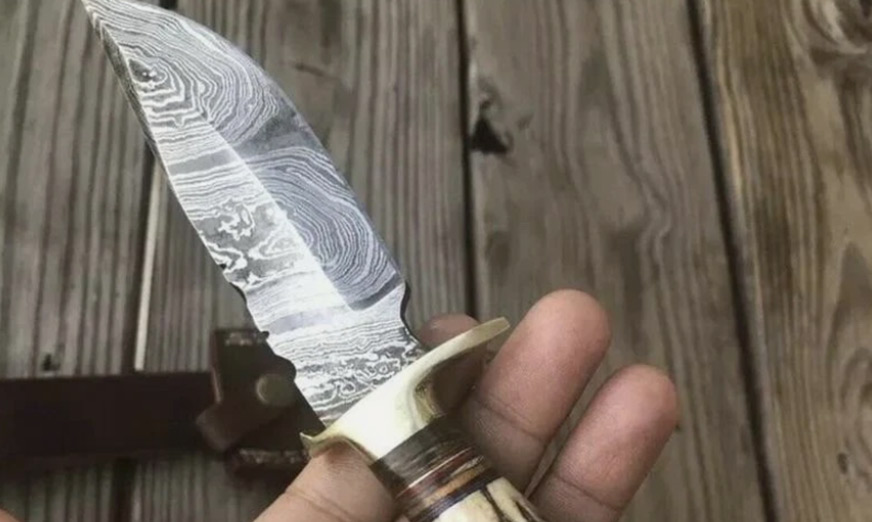
This visual character can be particularly attractive in handmade knives, where the blade pattern is paired with materials such as natural wood, deer antler, or other distinctive handle materials.
For collectors, the combination of blade pattern, handle design, and finishing can make a Damascus knife an especially appealing addition to a collection.
2. Potential for Excellent Cutting Performance
A Damascus knife can be very sharp and perform well when manufactured using suitable steel and proper heat treatment.
Its cutting performance depends on factors such as the hardness of the cutting edge, blade thickness, edge angle, and sharpening quality.
It is important to understand that Damascus construction does not automatically make a knife sharper than a conventional steel knife. A well-made knife using a single type of steel can perform just as well or better than a poorly made Damascus knife.
When comparing products, pay attention to the actual steel specifications and construction rather than relying solely on the appearance of the blade.
3. A Wide Variety of Designs
Damascus knives are available in numerous styles, making it possible to find designs suited to different preferences and applications.
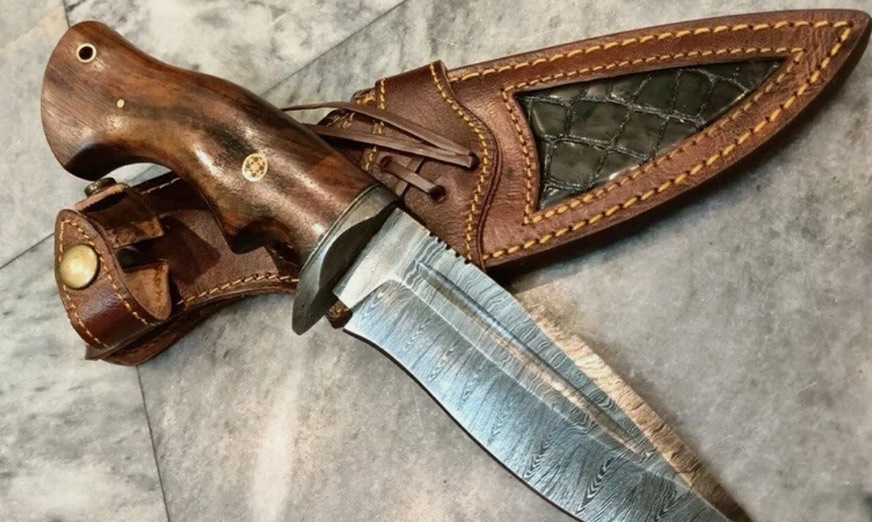
Some feature traditional hunting knife profiles, while others are designed for kitchen preparation or outdoor utility. Handle materials and blade finishes also vary widely.
This variety allows buyers to choose a knife based on its intended use, visual appeal, and preferred construction.
Whether you prefer a simple traditional design or an intricate patterned blade, there are many styles to explore.
4. Traditional Craftsmanship
Many Damascus knives showcase techniques associated with traditional metalworking. Depending on the manufacturer, their production may involve forging, layering, grinding, finishing, and other specialized processes.
The skill involved in producing a well-made patterned blade can add to its appeal.
However, handmade construction does not automatically guarantee better performance. The quality of the materials, consistency of manufacturing, and effectiveness of heat treatment remain important.
Buyers should evaluate the finished knife and its specifications rather than assuming every handmade or Damascus-labeled product meets the same standard.
5. Suitable Options for Different Applications
Damascus steel is used in several knife categories.
Hunting knives: These designs may appeal to outdoor enthusiasts who appreciate traditional styling and distinctive blade patterns.
Chef’s knives: Damascus-style kitchen knives combine patterned blades with designs intended for food preparation.
Outdoor utility knives: Depending on their construction, these knives may be suitable for appropriate general outdoor tasks.
Collectible knives: Decorative patterns and distinctive handles can make Damascus knives attractive to collectors.
The important consideration is whether the particular knife is designed and manufactured for the job you have in mind.
6. Distinctive Handle Combinations
Damascus blades are frequently paired with different handle materials, including wood, natural antler, and synthetic composites.
Wood offers natural grain patterns and a traditional appearance. Antler provides an organic texture, with natural variations in color and shape. Synthetic materials may offer practical durability and straightforward maintenance.
Handle comfort, secure construction, and suitability for the intended use are more important than appearance alone.
7. Appeal to Collectors and Gift Buyers
Damascus knives are popular with collectors because of their distinctive patterns and variety of designs.
A well-finished knife can also make a thoughtful gift for someone interested in traditional craftsmanship, outdoor equipment, or knife collecting.
When purchasing a Damascus knife as a gift, consider the recipient’s interests, preferred style, intended use, and experience with knife maintenance.
Disadvantages of Damascus Knives
Although Damascus knives offer several benefits, there are also some drawbacks to consider before purchasing one.
1. Potentially Higher Prices
Damascus knives may cost more than comparable conventional knives because of their manufacturing processes, finishing, materials, or decorative features.
However, a higher price does not automatically indicate better quality. Some expensive knives emphasize appearance, while more affordable knives may provide excellent practical performance.
Compare the construction, steel specifications, finishing, and intended application before deciding whether a particular knife offers good value.
2. Maintenance Requirements
Some Damascus knives require regular care to prevent corrosion. This is particularly important for blades made with carbon-steel alloys.
Moisture, food residue, and prolonged exposure to unsuitable storage conditions can damage the blade’s surface.
Cleaning and drying the knife after use, along with applying suitable protective oil when appropriate, helps maintain its condition.
Stainless Damascus knives generally offer better corrosion resistance than carbon-steel versions, but their exact maintenance requirements still depend on the materials used.
3. Quality Varies Between Manufacturers
Not all Damascus knives are manufactured to the same standard.
Poor material selection, inadequate heat treatment, inconsistent construction, or ineffective quality control can affect a knife’s performance.
A decorative pattern cannot compensate for these problems. Buyers should look for clear product descriptions and reliable information about the blade’s materials and manufacturing.
4. The Pattern Does Not Guarantee Better Performance
One common misconception is that a Damascus blade is automatically stronger, sharper, or more durable than a conventional steel blade.
This is not necessarily true.
The visible pattern primarily reflects the layered construction and finishing of modern pattern-welded Damascus steel. Actual performance depends on the cutting steel, heat treatment, blade geometry, and overall workmanship.
Understanding this distinction can help buyers avoid paying extra for appearance alone.
Damascus Knives vs. Regular Steel Knives
Which is better: Damascus steel or conventional steel?
Neither option is automatically superior. Both can offer excellent performance when the materials and manufacturing methods are appropriate.
| Feature | Damascus Knives | Conventional Steel Knives |
| Appearance | Distinctive layered patterns | Often a simpler, uniform finish |
| Cutting performance | Depends on the cutting steel and blade design | Depends on the steel and blade design |
| Edge retention | Varies with steel composition and heat treatment | Varies with steel composition and heat treatment |
| Corrosion resistance | Depends on the steels used | Depends on the steel grade |
| Price | May be higher because of materials or decorative work | Available across a wide range of prices |
| Maintenance | Depends on steel composition and construction | Depends on steel composition and construction |
| Collectibility | Often attractive to pattern and craftsmanship enthusiasts | Depends on the design, maker, and materials |
If you value distinctive patterns and traditional styling, Damascus may be an appealing choice. If your priority is practical performance at a particular price, compare the actual steel specifications and construction of both options.
A well-made conventional steel knife can be an excellent investment, just as a well-made Damascus knife can be.
How to Choose a Good Damascus Knife
If you decide to purchase a Damascus knife, consider the following factors.
Check the Steel Composition
Look for information about the steels used in the blade. Reliable product specifications can help you understand the knife’s likely cutting performance, corrosion resistance, and maintenance requirements.
If the seller does not identify the steel, ask for clarification before making a purchase.
Consider Heat Treatment
Heat treatment affects the hardness and toughness of the blade. Even high-quality steel may perform poorly if it is not heat-treated correctly.
Look for information from manufacturers who can explain their materials and production standards.
Choose the Right Blade Design
The blade should suit its intended application. A chef’s knife, hunting knife, and outdoor utility knife have different shapes and cutting requirements.
Consider the blade dimensions, edge geometry, and overall design rather than choosing solely by appearance.
Evaluate the Handle
The handle should be comfortable, securely fitted, and suitable for the knife’s intended use.
If you prefer natural materials, examine the type of wood or antler used. If practical maintenance is your priority, consider whether a synthetic handle may better suit your needs.
Review the Overall Construction
Inspect the available product photographs and specifications. Look for consistent finishing, secure handle construction, and clear information about included accessories.
A reliable seller should explain what the product includes and provide realistic information about its intended use and care.
How to Maintain a Damascus Knife
Proper care can help preserve the appearance and condition of your knife.
Clean after use: Remove residue promptly, following the manufacturer’s instructions.
Dry the blade thoroughly: Moisture left on the surface can contribute to corrosion, particularly on carbon-steel blades.
Apply protective oil when appropriate: A thin layer of suitable oil can help protect corrosion-prone steel during storage. Use food-safe oil for kitchen knives.
Store it properly: Keep the knife in a dry place with suitable blade protection. Avoid storing a damp knife in a leather sheath for extended periods.
Maintain the cutting edge: Use an appropriate sharpening method for the blade’s steel and edge geometry.
Follow safe handling practices: Keep knives secured when not in use and out of reach of children.
These simple habits can help preserve your knife’s appearance and usefulness over time.
Where Can You Find Damascus Knives?
When exploring Damascus knives, compare different designs and consider how each product matches your needs.
Look for transparent specifications, suitable materials, clear maintenance instructions, and a design appropriate for the intended application. Avoid assuming that a higher layer count or more elaborate pattern automatically means better performance.
For readers interested in exploring different knife styles and craftsmanship-inspired designs, Blade vista provides an online destination to discover available options.
Take your time comparing products and prioritize construction quality, intended use, and reliable product information over decorative features alone.
Frequently Asked Questions About Damascus Knives
Are Damascus knives good quality?
They can be. A well-made Damascus knife can offer excellent cutting performance and distinctive appearance. Quality depends on the steel composition, heat treatment, blade geometry, and manufacturing standards rather than the pattern alone.
Are Damascus knives sharper than regular knives?
Not automatically. Sharpness depends on the cutting edge, sharpening quality, and blade geometry. A well-made conventional steel knife can be just as sharp as a Damascus knife.
Do Damascus knives rust?
Some do. Damascus knives made with carbon-steel alloys can rust if they remain wet or are stored improperly. Stainless Damascus varieties generally offer better corrosion resistance, although no steel should be considered completely immune to corrosion under all conditions.
Are Damascus knives worth the money?
They may be worth the investment if you value their appearance, craftsmanship, and cutting performance. Compare the steel specifications, construction, and price with conventional alternatives to determine whether a particular model offers good value.
Are Damascus knives suitable for hunting?
Some Damascus knives are designed for hunting and appropriate outdoor tasks. Choose a model with suitable dimensions, construction, handle design, and materials for its intended application.
Does a higher layer count mean a better Damascus knife?
No. Layer count primarily describes an aspect of construction and influences the visible pattern. It does not independently establish sharpness, durability, or overall quality.
Final Verdict: Are Damascus Knives Good?
Yes, Damascus knives can be excellent choices for people who appreciate distinctive blade patterns, traditional styling, and practical cutting performance. However, their quality varies, and the Damascus pattern alone does not guarantee superior results.
Before buying, consider the steel composition, heat treatment, blade geometry, handle construction, maintenance requirements, and intended use.
If you choose a well-made knife from a reliable seller and care for it properly, a Damascus knife can be a useful tool and an attractive addition to a collection. The best choice is ultimately the one that meets your needs, fits your budget, and delivers the quality you expect.