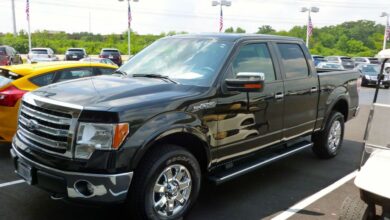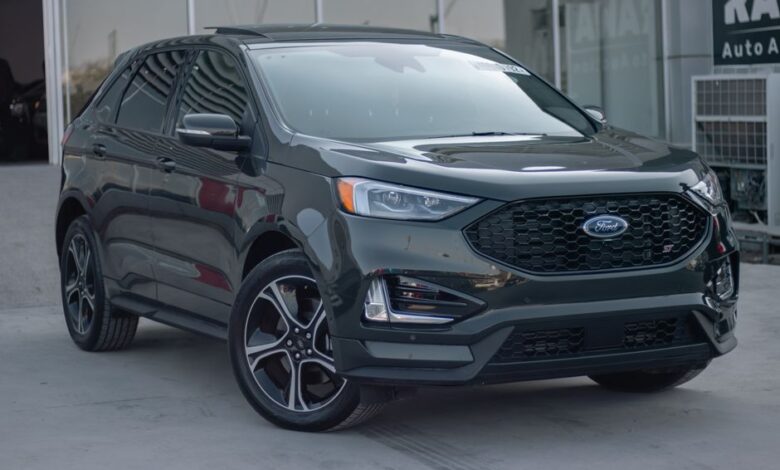

Shopping for a new vehicle is an opportunity to find something that matches your driving habits, lifestyle, and long-term budget. Whether you need a dependable commuter, a spacious family SUV, or a capable pickup truck, Ford offers a variety of vehicles designed for different needs. For drivers comparing options at a new Ford dealership bennington VT, understanding what to evaluate before making a decision can make the process easier and more productive. From comparing vehicle sizes and safety features to reviewing ownership costs and taking a thorough test drive, a little preparation can help you make a more confident choice. Here are seven useful areas to explore when shopping for a new Ford in Bennington.
1. Explore the Ford Models That Fit Your Lifestyle
Start by identifying the type of vehicle that best suits your daily routine. Ford’s lineup includes SUVs, pickup trucks, and electric vehicles, giving buyers several options to consider.
If you want a compact SUV for commuting, errands, and occasional road trips, the Ford Escape may be worth exploring. Families who need three rows of seating can consider the Ford Explorer, while the Ford Bronco Sport may appeal to drivers who enjoy outdoor activities and want an adventure-oriented design.
For shoppers who need a truck, the Ford Maverick, Ranger, and F-150 offer different sizes and capabilities. The Maverick provides a compact pickup format, while the Ranger and F-150 can suit a wider range of hauling and work requirements.
Make a list of your everyday needs before comparing specific models. Consider passenger capacity, cargo space, parking conditions, and whether you regularly transport tools or recreational equipment. This will help narrow the selection to vehicles that make sense for your lifestyle.
2. Compare Trim Levels and Available Features
After choosing a few potential models, compare their trim levels. Different trims can vary in comfort, technology, appearance, and capability, even when they belong to the same vehicle lineup.
Depending on the model, available features may include heated seats, upgraded audio systems, larger infotainment displays, advanced driver assistance technology, and additional convenience options. Truck trims may also differ in suspension setups, interior materials, and equipment designed for particular tasks.
Create two lists: features you consider essential and features you would enjoy but could live without. For example, all-wheel drive may be important if your driving conditions require additional traction, while a premium sound system may be less important than comfortable seating or useful safety equipment.
Confirm which features are standard and which require an optional package. Comparing similarly equipped vehicles provides a clearer picture of their value and helps prevent paying extra for features you are unlikely to use.
3. Consider Vermont’s Changing Weather Conditions
Weather is an important consideration when selecting a vehicle in Vermont. Seasonal changes can bring snow, ice, rain, and fluctuating temperatures, so it is useful to think about how a vehicle will perform throughout the year.
All-wheel drive or four-wheel drive may be beneficial for certain driving conditions, but the best choice depends on your routes, vehicle type, and driving habits. These systems do not eliminate the risk of skidding or guarantee better stopping distances on slippery surfaces.
Tires are equally important. Appropriate winter tires can provide valuable traction in cold and snowy conditions, while maintaining proper tire pressure and tread depth helps support safe driving throughout the year.
Consider practical features such as heated seats, heated mirrors, effective climate control, and remote-start availability where equipped. Also assess ground clearance if your regular routes include rough or snow-covered roads.
No matter which Ford you choose, responsible driving and suitable tires remain essential during challenging weather.
4. Review Safety and Driver Assistance Technology
Modern Ford vehicles offer a range of safety and driver assistance features, although the available equipment varies by model, trim, and model year.
Depending on the vehicle, Ford Co-Pilot360 technologies may include features designed to assist with collision warnings, lane awareness, blind spot monitoring, and reversing. Some models may also offer adaptive cruise control or additional parking assistance features.
When comparing vehicles, look beyond the name of a safety package. Confirm which systems are included in the specific configuration and learn what each one is designed to do.
During a vehicle demonstration, ask how the warnings operate and when the systems may be unavailable. Driver assistance technology can support awareness, but it cannot prevent every collision or replace careful observation, appropriate speed, and safe following distances.
It is also worth reviewing crash-test information from reputable safety organizations when available. Combining safety ratings, standard equipment, and your own comfort with the vehicle can help you make a more informed decision.
5. Evaluate Fuel Economy and Powertrain Options
Fuel economy and powertrain choice can affect both daily expenses and driving convenience. Consider how far you travel each week, whether your routine involves mostly city streets or highways, and whether you need to tow or carry heavy loads.
A smaller SUV may be suitable for commuting and family errands, while a pickup may make more sense if you regularly transport equipment. Ford also offers electrified vehicles in parts of its lineup, including hybrid and all-electric options, depending on the model and model year.
Hybrid vehicles may appeal to drivers who want to reduce fuel consumption without relying entirely on charging infrastructure. An electric vehicle can suit drivers with predictable travel patterns and convenient access to charging, but it is important to plan for driving range, charging time, and longer journeys.
Compare official efficiency estimates for the exact configurations you are considering. For electric vehicles, review the expected range and available charging options. For trucks, remember that towing, payload, speed, weather, and driving habits can affect real-world efficiency.
Choosing the right powertrain means balancing everyday operating costs with the performance and capability you genuinely need.
6. Calculate Your Budget and Ownership Costs
A vehicle’s advertised price is only one part of the financial decision. Before shopping, establish a budget that includes the down payment, financing, insurance, fuel or charging, maintenance, and registration expenses.
Compare the total cost of ownership rather than focusing entirely on the monthly payment. A longer loan term may lower the payment but increase the amount of interest paid over time. Optional products and accessories can also increase the total cost, so review them carefully before agreeing to a purchase.
If you have a vehicle to trade in, research its approximate value and consider obtaining an independent estimate. Keep the trade-in value, vehicle price, financing terms, and additional fees clear during negotiations.
Ask for an itemized written quote so you can understand the full amount due. Comparing the same model and similar equipment across different offers can help you evaluate the financial terms more accurately.
A realistic budget should leave room for regular vehicle expenses without making other household priorities difficult to manage.
7. Take a Thorough Test Drive
A test drive is one of the most valuable steps in choosing a new Ford. Photos and specifications can help you narrow your options, but driving the vehicle reveals how it feels in real-world situations.
Before leaving, adjust the seat, steering wheel, and mirrors. Check visibility, passenger space, storage compartments, and the accessibility of everyday controls. If you regularly travel with family members, bring them along to evaluate comfort and rear-seat space.
During the drive, pay attention to acceleration, braking, steering response, ride quality, and cabin noise. If possible, use a route that includes different road types, such as local streets and highways.
Test the infotainment system while parked and learn how to connect your phone. Review important driver assistance settings and ask questions about features you do not understand.
Take notes after each test drive. Comparing your impressions can make it easier to identify which vehicle best matches your preferences rather than relying on first impressions alone.
Conclusion
Shopping for a new Ford in Bennington becomes more manageable when you approach the process with a clear set of priorities. Explore the available models, compare trim levels, consider local weather conditions, and review safety technology before deciding which vehicles deserve a closer look. Fuel economy, ownership costs, and a thorough test drive are equally important parts of the decision.
The right Ford is the one that fits your everyday responsibilities, driving conditions, and budget. By evaluating these seven areas carefully, you can make a more informed choice and select a vehicle that serves your needs for years to come.