A Practical Guide to Removing Dirt, Managing Clutter, and Keeping Your Home Fresh

Maintaining a clean and organized home is essential for creating a comfortable environment where family members can relax, complete daily activities, and enjoy their surroundings. Dust, dirt, food spills, and clutter can accumulate quickly when household maintenance is overlooked, making rooms appear untidy and difficult to manage. Developing a consistent cleaning routine helps protect furniture, flooring, kitchen surfaces, and other household belongings while improving the overall appearance of the interior. With suitable cleaning products, practical organization methods, and a realistic schedule, homeowners can maintain a welcoming space without allowing everyday chores to become overwhelming. Small improvements in daily habits can make a significant difference in keeping a home fresh and organized throughout the year.
Understanding the Importance of a Clean and Organized Home
A clean home provides more than visual appeal because it also supports comfort, organization, and everyday convenience. Regularly removing dust, cleaning floors, and maintaining kitchens and bathrooms helps prevent dirt from accumulating in frequently used areas. Organized rooms make it easier to find belongings, prepare meals, complete household responsibilities, and relax after a busy day. A tidy environment can also help homeowners notice maintenance concerns, such as moisture buildup, leaking pipes, damaged flooring, or deteriorating surfaces, before these issues become more difficult to address. Developing a practical house cleaning routine can make household maintenance easier for individuals and families with demanding schedules. Instead of waiting until every room becomes noticeably dirty, smaller tasks can be completed throughout the week to maintain consistent standards. Simple habits, such as wiping countertops after cooking, putting belongings away after use, and cleaning spills immediately, help prevent stubborn stains and excessive clutter. These practices reduce the effort required during deeper cleaning sessions and make it easier to keep the entire property comfortable, presentable, and ready for everyday living.
Creating a Realistic Cleaning Schedule
A well-planned cleaning schedule helps divide household responsibilities into manageable tasks and prevents important areas from being overlooked. Daily activities may include washing dishes, wiping kitchen counters, making beds, removing rubbish, and putting frequently used items back in their proper places. Weekly tasks can involve vacuuming carpets, mopping hard floors, cleaning bathrooms, changing bedding, and dusting furniture. Monthly or seasonal activities may include washing curtains, cleaning window tracks, organizing storage spaces, and reaching areas that receive less attention during regular maintenance. The ideal schedule depends on the size of the home, the number of occupants, the presence of pets, and the amount of daily activity. Busy households may need to clean kitchens and bathrooms more frequently, while guest rooms and storage areas may require less regular attention. Creating a checklist helps household members understand their responsibilities and makes it easier to track completed tasks. A flexible plan is usually more effective than a demanding schedule that is difficult to maintain, especially when work, school, and family commitments compete for attention.
Removing Dust From Furniture and Household Surfaces
Dust accumulates on shelves, tables, cabinets, electronic equipment, window ledges, and decorative objects throughout the home. If it is left unattended, surfaces can quickly appear dull and neglected, while particles may spread when furniture is disturbed or items are moved. Using a clean microfiber cloth helps collect dust from many hard surfaces without requiring excessive pressure. It is generally helpful to work from higher surfaces toward lower areas so that any falling dust can be removed during the same cleaning session rather than settling on furniture that has already been cleaned. Different materials require different care methods, so it is important to select products according to the surface being maintained. Wooden furniture may need a suitable wood cleaner, while glass tables and mirrors benefit from products designed to minimize streaks. Electronic equipment should be cleaned according to the manufacturer’s instructions, and liquids should never be sprayed directly onto sensitive devices. Decorative items can be moved carefully so that the surfaces underneath them are not overlooked. Regular dust removal helps maintain the appearance of household belongings and reduces the amount of effort needed during more detailed cleaning sessions.
Keeping Kitchens Clean and Hygienic
The kitchen is one of the most frequently used areas of a home, making regular maintenance essential for keeping it comfortable and orderly. Food crumbs, grease, spills, and moisture can accumulate on countertops, cabinet doors, stovetops, and appliance handles throughout the day. Wiping work surfaces after meal preparation helps prevent stains from becoming difficult to remove and reduces the accumulation of food residue. Dishes should be washed regularly, rubbish should be removed when necessary, and groceries should be stored properly to keep the kitchen organized and ready for the next meal. Appliances and storage areas also require consistent attention to maintain a fresh appearance. Refrigerators should be checked for expired food, while microwaves, ovens, and stovetops should be cleaned according to their manufacturers’ instructions. Cabinet handles and drawer fronts often collect grease and fingerprints, making them important parts of a thorough routine. Floors should be swept or vacuumed before being cleaned with a suitable product. Choosing the right supplies for countertops, appliances, and cabinets helps prevent scratches and discoloration while making it easier to maintain a neat and functional kitchen.
Maintaining Fresh and Comfortable Bathrooms
Bathrooms require frequent attention because moisture, soap residue, and everyday use can quickly lead to visible dirt and unpleasant odors. Sinks, faucets, toilets, showers, bathtubs, mirrors, and frequently touched handles should be cleaned using products appropriate for their materials. Soap scum and mineral deposits can become harder to remove when they are allowed to accumulate over time. Cleaning these areas consistently helps maintain an attractive appearance and reduces grime buildup. Bathroom floors also require attention, particularly around toilets, showers, and other places where water may collect. Good ventilation is an important part of bathroom maintenance because excessive moisture can contribute to musty odors and mold growth. Using an exhaust fan or opening a suitable window after bathing can help improve airflow and reduce humidity. Towels should be allowed to dry fully, while bath mats and shower curtains should be washed according to their care instructions. Grout and sealant should be checked periodically for cracks or deterioration that could allow moisture to affect underlying surfaces. Combining regular cleaning with appropriate moisture control helps maintain a more comfortable and hygienic bathroom.
Managing Clutter and Organizing Personal Belongings
Clutter can make a clean home appear untidy even when floors and surfaces have been wiped thoroughly. Items left on tables, countertops, chairs, and walkways create obstacles that make dusting, vacuuming, and other household tasks more difficult. Assigning specific places for frequently used belongings helps keep rooms organized and reduces the accumulation of unnecessary items. Storage baskets, shelves, drawer organizers, and labeled containers can provide practical ways to arrange possessions while keeping essential items accessible when they are needed. A gradual approach to decluttering is often more manageable than trying to organize an entire home in one day. Homeowners can focus on a single drawer, cupboard, or room and decide which belongings should be kept, donated, recycled, or discarded. Regularly reviewing stored items prevents unnecessary possessions from taking over valuable space. It can also be helpful to return belongings to their designated places at the end of each day so that clutter does not accumulate. These simple habits make rooms easier to maintain and create a more functional living environment.
Choosing Suitable Cleaning Products and Equipment
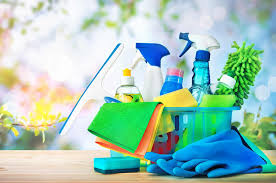
Selecting appropriate cleaning products is important for removing dirt effectively while protecting household surfaces. Different products are designed for specific purposes, including removing grease, cleaning glass, maintaining floors, and treating particular types of stains. Reading product labels helps users understand the correct application method, recommended contact time, and necessary safety precautions. Delicate materials, such as natural stone, hardwood, and certain fabrics, may be damaged by abrasive tools or strong chemicals. Using products designed for the intended surface helps reduce the risk of scratches, discoloration, and premature wear. Useful equipment may include microfiber cloths, a vacuum cleaner, a mop, soft brushes, sponges, and suitable containers for organizing supplies. Keeping equipment clean and properly stored makes routine maintenance easier and prevents dirt from being transferred between different areas. Reusable cloths should be washed regularly, while worn sponges and damaged tools should be replaced when necessary. Cleaning chemicals must be stored securely and used according to their instructions. Bleach should never be mixed with ammonia or acidic cleaners because dangerous gases can be released. Responsible product handling protects the people performing the work and those who use the cleaned space.
Keeping Floors Clean and Protecting Their Appearance
Floors experience regular foot traffic and can collect dust, grit, food crumbs, pet hair, and outdoor dirt throughout the day. Removing loose debris regularly helps prevent particles from spreading into other rooms and reduces the chance of scratching delicate flooring. Vacuum cleaners are useful for carpets and many hard surfaces when fitted with suitable attachments, while sweeping or dust mopping can help collect dirt from appropriate floor types. Entrance mats can also reduce the amount of dirt brought inside, particularly in areas where people frequently enter from outdoors. The method used to clean a floor should match its material and finish. Hardwood and laminate may be damaged by excessive moisture, while natural stone can react poorly to certain acidic products. Tile and vinyl also have specific maintenance requirements that should be checked before applying cleaning solutions. Spills should be addressed promptly to prevent stains, sticky residue, or moisture damage. Moving lightweight furniture carefully and cleaning underneath it occasionally helps remove hidden dirt that might otherwise accumulate. Regular floor maintenance keeps rooms looking fresher and helps preserve the condition of the flooring over time.
Improving Indoor Freshness and Air Quality
A fresh indoor environment depends on more than removing visible dirt. Dust, pet hair, cooking odors, excessive moisture, and accumulated debris can affect how a home feels and smells. Regular vacuuming, cleaning washable fabrics, removing rubbish, and keeping surfaces free from dust can help reduce common sources of indoor odors. Curtains, cushion covers, blankets, and bedding should be washed according to their care instructions because fabrics can hold particles and smells over time. Addressing the source of an odor is generally more effective than simply covering it with an air freshener. Ventilation also plays an important role in maintaining a comfortable home. Opening windows when outdoor conditions are suitable can improve airflow, while exhaust fans help remove excess moisture from kitchens and bathrooms. Air filters should be maintained according to the manufacturer’s recommendations, and damp areas should be investigated promptly. If a musty smell continues despite regular cleaning, it may indicate a hidden moisture problem that requires further attention. Combining appropriate cleaning methods with ventilation and moisture control helps create a more pleasant indoor environment for household members and visitors.
Cleaning Bedrooms and Living Areas Effectively
Bedrooms and living areas should be maintained regularly because they are used for resting, relaxing, entertaining, and spending time with family. Dust can collect on bedside tables, lamps, shelves, entertainment units, and upholstered furniture, while bedding may accumulate sweat, hair, and other everyday residue. Changing sheets regularly and washing pillowcases according to household needs helps keep sleeping areas fresh. Floors should be vacuumed or cleaned using methods suitable for their materials, and frequently touched objects should receive attention during routine maintenance. Living rooms can become cluttered when books, toys, remote controls, blankets, and personal belongings are left scattered across furniture. Returning items to their proper places and folding blankets after use helps maintain a tidy appearance. Upholstered furniture should be vacuumed with appropriate attachments, while spills should be treated according to the fabric manufacturer’s instructions. Curtains and rugs may also require periodic cleaning to remove accumulated dust and dirt. A combination of regular tidying and planned maintenance keeps these rooms comfortable without requiring a complete overhaul every day.
When Professional Cleaning Assistance Can Help
Maintaining a home independently can become challenging when work, family responsibilities, and other commitments leave limited time for household chores. Professional house cleaning can provide additional support for people who need help maintaining everyday cleanliness or completing more demanding tasks. Depending on the selected arrangement, the work may include dusting, vacuuming, mopping, cleaning bathrooms, maintaining kitchens, and addressing other agreed areas. Professional assistance may also be useful before special occasions, after a move, or when a property requires more detailed attention than its occupants can comfortably manage. Before selecting a provider, homeowners should review the tasks included, the expected duration, the pricing structure, and the products used during the appointment. It is helpful to explain any delicate surfaces, special requirements, pets, or restricted areas in advance. Customers should also clarify whether equipment and cleaning supplies are included in the quoted price. A written checklist can help both parties understand what needs to be completed and reduce misunderstandings. Choosing a provider based on reliability, communication, experience, and overall value can make household maintenance easier to manage over time.
Developing Habits for Long-Term Cleanliness
Long-term cleanliness depends on consistent habits rather than occasional efforts to clean everything at once. Small actions, such as making the bed, wiping kitchen counters, putting shoes away, and returning belongings to their proper places, can prevent daily messes from becoming difficult to manage. Household members can share responsibilities according to their schedules and abilities, making maintenance less demanding for any one person. Establishing a few simple routines at the beginning and end of each day can help keep important areas organized without taking up excessive time. It is also useful to review the cleaning schedule periodically and adjust it when household circumstances change. A growing family, a new pet, seasonal weather, or changes in work routines may affect how quickly dirt accumulates. Keeping essential supplies accessible makes it easier to complete tasks promptly, while a checklist can help identify areas that need more frequent attention. Consistent maintenance protects household belongings, improves organization, and reduces the need for intensive cleaning sessions. By building practical habits into everyday life, homeowners can maintain a fresh and comfortable space throughout the year.
Conclusion
Removing dirt, managing clutter, and keeping a home fresh requires a combination of regular maintenance, appropriate products, and effective organization. Kitchens, bathrooms, bedrooms, living areas, and floors all benefit from consistent attention, while decluttering helps make daily tasks easier to complete. A realistic cleaning schedule prevents messes from accumulating and allows household members to share responsibilities in a manageable way. Careful product selection, proper ventilation, and safe handling of cleaning supplies also help protect surfaces and support a comfortable indoor environment. Professional house cleaning in Montreal can provide valuable assistance when daily responsibilities make it difficult to maintain every area independently. Whether cleaning is handled personally or with outside support, the most effective approach is one that matches the household’s needs, available time, and preferred routine. Small daily habits, weekly maintenance, and periodic detailed cleaning can work together to keep rooms organized and inviting. With consistent care and practical planning, homeowners can create a welcoming living environment that remains clean, comfortable, and ready for everyday activities.