Bathtub Remodeling Ideas to Create a Stylish, Comfortable, and Modern Bathroom

Introduction
A bathroom is an essential part of any home, and its appearance, comfort, and functionality can significantly influence everyday living. An outdated bathtub, worn surfaces, inefficient fixtures, or an uncomfortable layout can make the entire bathroom feel less inviting. Updating this space provides an opportunity to improve its appearance while creating a more practical and relaxing environment. Bathtub remodeling allows homeowners to refresh an existing bathroom by upgrading the bathtub, improving surrounding surfaces, enhancing storage, and incorporating modern features. With careful planning, suitable materials, and attention to detail, an ordinary bathroom can become a comfortable retreat that combines attractive design with everyday convenience. A successful renovation should balance personal preferences, available space, maintenance requirements, and the overall budget.
Understanding the Benefits of Bathroom Improvements
Bathroom improvements can offer several practical benefits beyond changing the appearance of the space. An updated bathtub can improve bathing comfort, while modern fixtures may help improve water efficiency and simplify daily routines. Replacing damaged surfaces and addressing leaks can also help protect surrounding materials from moisture-related deterioration. Homeowners may use renovation projects to improve accessibility, increase storage, and create a more coordinated interior design. Bathtub remodeling provides an opportunity to evaluate the existing bathroom and determine which changes will deliver the greatest value. By focusing on comfort, durability, and functionality, homeowners can create a bathroom that better suits their needs while maintaining a clean and attractive appearance for years to come.
Choosing the Right Bathtub Style
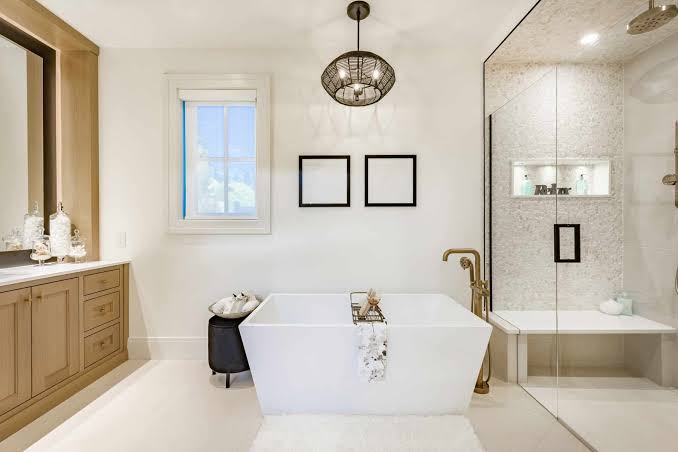
Selecting an appropriate bathtub is one of the most important decisions in a bathroom renovation. Freestanding tubs create a distinctive focal point and can complement spacious bathrooms with an elegant appearance. Alcove bathtubs fit between walls and are often practical for bathrooms where space efficiency is important. Corner tubs may suit certain layouts, while drop-in designs can provide flexibility for customized surrounding surfaces. The right option depends on available floor space, plumbing connections, bathing preferences, and the overall style of the bathroom. Homeowners should also consider the tub’s depth, shape, entry height, and cleaning requirements. Comparing these details before purchasing helps ensure that the selected bathtub fits comfortably into the room and supports everyday use.
Planning a Practical Bathroom Layout
A well-planned layout makes a bathroom more comfortable, organized, and accessible. Before changing the bathtub or surrounding fixtures, homeowners should examine the position of doors, toilets, sinks, storage cabinets, and existing plumbing connections. The bathtub should be placed where it allows convenient movement without obstructing access to other essential features. Adequate clearance around fixtures can make cleaning easier and improve the overall experience of using the bathroom. Bathtub remodeling is an excellent opportunity to address an inefficient layout and create a more logical arrangement. Although relocating plumbing may increase costs, carefully comparing different layouts can reveal practical improvements that deliver noticeable benefits without requiring unnecessary structural changes.
Selecting Durable Bathtub Materials
Bathtub materials influence comfort, appearance, durability, weight, and maintenance requirements. Acrylic tubs are generally lightweight and available in many shapes and styles, making them a popular choice for residential bathrooms. Fiberglass options can offer affordability, although their surface may require more careful maintenance over time. Enameled steel provides a relatively firm surface, while cast iron is known for its substantial weight and durable enamel finish. Each material has different installation requirements, costs, and resistance to scratches or surface damage. Homeowners should consider the supporting floor structure, cleaning products, expected usage, and manufacturer recommendations before making a selection. Choosing a suitable material helps create a bathtub area that remains attractive and practical over the long term.
Modernizing Bathtub Surroundings
The surfaces surrounding a bathtub have a significant effect on the bathroom’s overall appearance. Ceramic and porcelain tiles provide a wide range of colors, patterns, and finishes, allowing homeowners to create traditional or contemporary designs. Large-format tiles can reduce the number of grout joints and create a more streamlined appearance, while smaller decorative tiles can introduce texture and visual interest. Solid-surface panels offer another option for creating a coordinated look with fewer joints. During bathtub remodeling, surrounding walls should be evaluated for moisture damage, loose tiles, deteriorated grout, and inadequate waterproofing. Installing appropriate moisture-resistant materials and following suitable waterproofing practices can help protect the structure and maintain a clean, attractive bathing area.
Creating a Relaxing and Comfortable Bathing Experience
A bathtub can become a relaxing feature when its design supports comfort and ease of use. The shape of the interior, the angle of the backrest, the depth of the water, and the position of the faucet can all influence the bathing experience. Some homeowners prefer deep soaking tubs, while others prioritize a comfortable design that allows easier entry and exit. Features such as built-in armrests, supportive contours, and conveniently positioned controls may improve usability. Homeowners should assess their bathing habits before choosing additional features because a complicated design does not always provide greater comfort. A thoughtful combination of ergonomic design, suitable fixtures, and pleasant surroundings can make the bathroom more enjoyable without unnecessary expense.
Choosing Colors and Finishes for a Modern Appearance
Color selection plays an important role in creating a coordinated bathroom interior. White and soft neutral shades can make the room feel bright and timeless, while darker colors may create a dramatic and contemporary appearance. Natural tones, including beige, warm gray, and muted green, can introduce a calming atmosphere. The bathtub, wall surfaces, flooring, cabinetry, and fixtures should complement one another rather than compete for attention. Bathtub remodeling offers an opportunity to replace outdated finishes with a consistent color scheme that reflects personal preferences. Homeowners should also consider how lighting affects the appearance of different materials and finishes. Selecting colors that remain appealing over time can help create a bathroom that feels fresh without depending entirely on temporary trends.
Improving Bathroom Lighting
Good lighting improves visibility, safety, and the overall atmosphere of a bathroom. General ceiling lighting provides illumination for everyday activities, while vanity lighting helps with grooming and other tasks that require clear visibility. Additional lighting near the bathtub can create a more relaxing environment when installed appropriately for the damp conditions. Homeowners may consider dimmable fixtures where suitable, allowing the brightness to be adjusted according to different needs. Light color also affects the bathroom’s appearance, so fixtures should complement the selected finishes and interior style. Electrical installations near water must meet applicable safety requirements and should be completed by a qualified professional when necessary. A balanced lighting plan can make the bathroom feel brighter, more comfortable, and easier to use.
Adding Practical Storage Solutions
Storage is an important consideration in bathrooms where toiletries, towels, cleaning supplies, and personal care products can quickly create clutter. Built-in niches near the bathtub can provide convenient space for bathing essentials without taking up additional floor area. Wall-mounted shelves, recessed cabinets, and vanity drawers can help organize everyday items while maintaining a tidy appearance. Storage solutions should be designed to withstand bathroom moisture and should not interfere with comfortable movement. During bathtub remodeling, homeowners can evaluate unused wall areas and identify opportunities to improve organization. Keeping frequently used products within easy reach makes daily routines more convenient, while closed storage can help maintain a clean and uncluttered appearance throughout the room.
Improving Water Efficiency and Plumbing Performance
Modern bathroom upgrades can provide an opportunity to review water consumption and the condition of existing plumbing. Efficient faucets and showerheads may reduce unnecessary water use while maintaining a comfortable flow, depending on the selected products and household preferences. Homeowners should also inspect supply lines, drain connections, valves, and visible pipework for signs of wear or leakage. A bathtub must have an appropriate drain and overflow arrangement to operate safely and reliably. Any necessary plumbing changes should be planned before the new tub is installed because later modifications can be difficult and expensive. Bathtub remodeling can address these practical concerns while improving appearance and comfort. Selecting compatible fixtures and having connections checked properly helps reduce the risk of leaks and future repairs.
Making the Bathroom Safer and More Accessible
Safety should remain a priority during any bathroom renovation, particularly in homes used by children, older adults, or people with mobility limitations. Slippery surfaces, high bathtub sides, poor lighting, and inconvenient controls can increase the difficulty of using the space. Non-slip flooring, appropriately positioned grab bars, secure handholds, and accessible controls may improve safety when installed correctly. Homeowners who have difficulty stepping over a high tub may want to explore lower-entry options or alternative bathing arrangements. The most suitable solution depends on individual needs, available space, and the existing structure. Planning these improvements early helps ensure that the finished bathroom supports comfort and independence without sacrificing its overall appearance.
Setting a Realistic Remodeling Budget
A realistic budget helps homeowners prioritize essential improvements and avoid unexpected financial pressure. Expenses may include the bathtub itself, removal of existing fixtures, plumbing work, waterproofing, wall finishes, flooring, lighting, cabinetry, labor, and disposal of construction waste. The cost of a project depends on the selected materials, the condition of the existing bathroom, and whether plumbing or structural changes are necessary. Bathtub remodeling can sometimes remain relatively straightforward when the existing tub location and plumbing connections are retained. More extensive renovations may require additional planning and professional services. Homeowners should obtain detailed estimates, compare product specifications, and reserve part of the budget for unforeseen issues discovered during removal or installation.
Understanding the Importance of Professional Installation
Proper installation is essential for ensuring that a bathtub performs reliably and does not cause moisture-related problems. The supporting structure must be suitable for the tub’s weight, including the water and the person using it. Plumbing connections, drain alignment, overflow fittings, and sealing details should be installed according to the manufacturer’s instructions and applicable requirements. Waterproofing behind and around the bathtub is particularly important because hidden moisture can damage walls, flooring, and structural materials. Some cosmetic tasks may be suitable for experienced homeowners, but complex plumbing, electrical work, structural modifications, and waterproofing details may require qualified professionals. Careful installation can reduce the likelihood of leaks, premature damage, and expensive corrective work.
Maintaining the Bathtub After Renovation
Regular maintenance helps preserve the appearance and performance of a newly updated bathtub. Homeowners should clean the surface using products recommended by the manufacturer and avoid abrasive tools that may scratch delicate finishes. Grout lines, sealant joints, drain fittings, and surrounding surfaces should be inspected periodically for signs of deterioration or moisture damage. Persistent leaks, loose fittings, or damaged caulking should be addressed promptly to prevent water from reaching concealed areas. Proper ventilation also helps reduce excess humidity and the likelihood of mold growth. Keeping the bathtub clean and following suitable maintenance practices can extend the life of its finish and surrounding materials while helping the bathroom remain hygienic, attractive, and comfortable.
Avoiding Common Bathtub Renovation Mistakes
Several common mistakes can affect the quality, cost, and long-term performance of a bathroom renovation. Choosing a bathtub without measuring the available space may lead to installation difficulties or uncomfortable movement around nearby fixtures. Selecting materials based only on appearance can result in higher maintenance demands or poor durability. Ignoring waterproofing, drainage, and ventilation may cause problems that are expensive to correct later. Homeowners should also avoid underestimating labor costs and the time needed for plumbing changes or surface repairs. Careful measurements, realistic budgeting, and appropriate product selection help prevent these issues. Reviewing the complete plan before work begins supports a smoother renovation process and produces a more reliable finished bathroom.
Conclusion
A well-planned bathroom renovation can improve comfort, functionality, appearance, and the everyday experience of using the space. From selecting the right tub and coordinating surrounding finishes to improving lighting, storage, plumbing, and accessibility, every decision contributes to the final result. Bathtub remodeling provides an opportunity to address outdated features while creating a more attractive and practical bathing environment. By choosing durable materials, planning the layout carefully, setting a realistic budget, and ensuring proper installation, homeowners can achieve results that remain useful and appealing for years. Regular cleaning and maintenance further protect the investment and help prevent avoidable repairs. With thoughtful preparation and attention to detail, an ordinary bathtub area can become a comfortable, stylish, and relaxing part of the home.