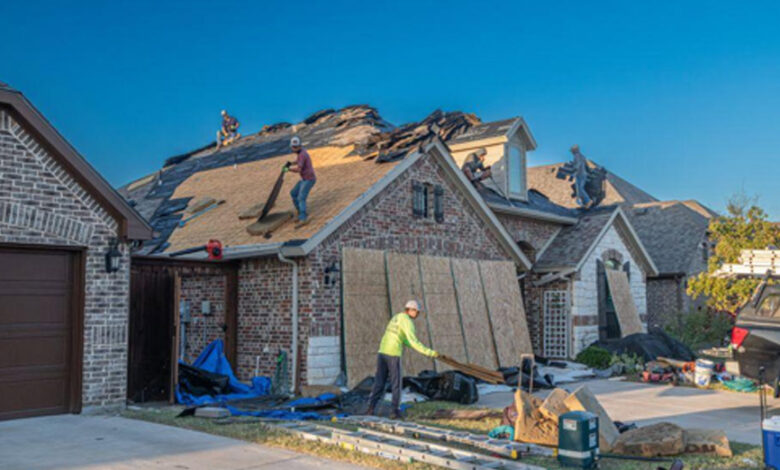

Replacing a roof is one of the most important home improvement projects, yet many homeowners focus on appearance and price without considering the details that influence long-term performance. In Louisville, Kentucky, where annual precipitation averages approximately 48 inches according to National Weather Service climate records, reliable roofing is essential for protecting homes against changing weather conditions. A successful replacement involves more than installing new shingles. Material quality, ventilation, installation techniques, and contractor experience all contribute to a roof that provides dependable protection for years.
Understanding What Really Makes a Roof Durable
A roof consists of several interconnected components that work together to protect the home. While shingles form the visible exterior, underlayment, flashing, decking, and ventilation systems play equally important roles in preventing damage.
Weaknesses in these components can compromise the entire roofing system. Poorly installed flashing may allow water to enter around chimneys, while damaged decking can affect the stability of newly installed materials.
Homeowners preparing for replacement should have the complete roofing system evaluated rather than focusing exclusively on surface deterioration. An experienced roofing contractor in Louisville can assess existing conditions, identify vulnerable areas, and recommend suitable improvements based on the property’s requirements.
Understanding how these components interact helps homeowners make informed decisions about materials, installation, and long-term maintenance.
Choosing Roofing Materials That Offer Lasting Performance
Roofing materials differ in durability, appearance, maintenance requirements, and resistance to environmental exposure. Selecting the right option involves understanding how these characteristics align with the home’s structure and expected conditions.
Asphalt shingles remain a common residential choice because they offer versatility and relatively straightforward installation. Metal roofing can provide extended service life, although installation requirements and initial expenses may differ considerably.
Material quality alone does not guarantee reliable performance. Proper fastening, underlayment, and installation techniques are equally important.
The Insurance Institute for Business & Home Safety’s roofing guide explains how roofing components and installation methods influence resistance to wind and water intrusion.
Homeowners should also review manufacturer warranties and maintenance recommendations before making a final selection. A suitable material should complement the property while providing dependable protection throughout its expected service life.
Why Attic Ventilation Deserves More Attention
Ventilation is frequently overlooked during roof replacement because its components are mostly hidden from view. However, attic airflow can influence moisture accumulation, temperature conditions, and the durability of surrounding materials.
In appropriately designed vented attics, intake vents allow outdoor air to enter while exhaust vents provide an exit. This circulation helps remove excess moisture and reduce heat buildup.
Poor ventilation arrangements can contribute to condensation, deteriorating insulation, and moisture-related damage. However, adding more vents is not automatically the solution, particularly when air leakage or insulation problems remain unresolved.
The Department of Energy’s explanation of attic wind dams highlights how ventilation openings and insulation must work together to maintain an effective building envelope.
A roofing evaluation should therefore consider existing ventilation, insulation, and air sealing before recommending changes. Proper coordination helps protect the roof and supports indoor comfort.
Looking Beyond the Initial Roofing Estimate
Comparing roofing estimates requires more than identifying the lowest total price. Two proposals may appear similar while covering different materials, preparation work, and installation responsibilities.
A detailed estimate should explain whether existing roofing materials will be removed, how damaged decking will be addressed, and which components are included in the replacement.
Flashing, underlayment, ventilation modifications, and cleanup procedures should also be clearly described. Vague descriptions can make it difficult to understand what the contractor intends to complete.
Unexpected structural deterioration may become visible after the original roof is removed, making written procedures for additional repairs especially valuable.
Homeowners should also review payment schedules, warranty conditions, and any exclusions before signing an agreement.
A transparent estimate makes comparisons easier and reduces misunderstandings once construction begins. Clear expectations are particularly important when the project involves significant financial commitments.
Understanding How Weather Affects Installation Quality
Weather conditions influence both the installation process and the performance of roofing materials. Rain, strong winds, and unsuitable temperatures can interrupt work or affect certain installation procedures.
For asphalt shingles, proper sealing depends partly on environmental conditions and manufacturer specifications. Materials installed during colder periods may require additional time to develop a secure seal.
Contractors should also protect exposed roof areas when unexpected weather interrupts construction. Leaving vulnerable decking uncovered can introduce moisture before replacement materials are installed.
Scheduling should therefore account for weather forecasts, material requirements, and the time needed to complete the work properly.
Homeowners should discuss how delays will be managed and what protective measures are available if conditions change.
A realistic installation schedule prioritizes workmanship and safety rather than rushing completion to meet an inflexible deadline.
Recognizing Hidden Damage Before It Becomes Expensive
A roof can appear relatively intact while deterioration develops beneath the surface. Small leaks, damaged flashing, and trapped moisture may gradually affect decking, insulation, and adjacent building materials.
Warning signs can include ceiling stains, damp attic insulation, deteriorating wood, or recurring moisture near roof penetrations. However, these symptoms do not always reveal the full extent of the problem.
A professional assessment can help determine whether affected materials require repair or replacement before new roofing is installed.
Covering damaged sections without correcting the underlying issue may allow deterioration to continue beneath the finished surface.
Homeowners should also avoid assuming that every visible defect requires a complete replacement. Some localized problems can be addressed through targeted repairs when the remaining roof is serviceable.
Understanding the actual condition of the roof supports more appropriate decisions and reduces unnecessary work.
How Roofing Decisions Influence Long-Term Home Value
Roof replacement can affect both the appearance and perceived condition of a property. A well-maintained exterior helps create confidence that important structural components have received appropriate attention.
However, visual improvements should be supported by reliable installation and suitable materials. A roof that looks attractive but develops leaks or premature wear may create additional maintenance concerns.
Color and profile should complement existing siding, trim, and architectural features without sacrificing performance requirements.
Homeowners considering future resale should also retain installation records, warranty documents, and relevant inspection information. These records may help demonstrate the age and maintenance history of the roof.
The strongest roofing improvements balance visual appeal with practical durability. Choosing materials and installation methods that suit the property can support its long-term usability and marketability.
Preparing for a Smooth Roof Replacement Project
A successful roof replacement begins with clear planning and communication between the homeowner and contractor. Understanding the project schedule, installation process, and responsibilities helps prevent unnecessary confusion.
Before work begins, homeowners should discuss property protection, debris removal, material delivery, and procedures for handling unexpected repairs.
Landscaping, outdoor furniture, and vehicles may need temporary protection or relocation during construction. Arrangements for final cleanup and inspection should also be established in advance.
After installation, homeowners should retain relevant documentation and understand the maintenance practices recommended for their roofing system.
Regular inspections and prompt attention to minor damage can help preserve the benefits of the replacement.
Ultimately, a dependable roof results from thoughtful planning, appropriate materials, and careful workmanship. Looking beyond the shingles allows homeowners to make decisions that protect their property long after construction is complete.