Heat Pump Installation in Queens: Replacing a Gas Boiler in a Two-Family House

The gas boiler in the basement of a two-family in Elmhurst is 30 years old, the Con Ed bill for January came in at a number the landlord read twice, and the tenant upstairs has been asking about AC for three summers. One piece of equipment can answer all of that. Queens HVAC, 103-81 52nd Ave, Corona, NY 11368, (929) 661-8491, has watched heat pump conversions go from rare to routine across the borough, and the HVAC Queens landlords and homeowners work with now spends as much time on rebate paperwork as on refrigerant. Here is how the conversion goes in a Queens house.
Why Heat Pumps Took Over in Queens
New buildings in the city stopped getting gas hookups in 2024 under Local Law 154. Existing houses have no mandate. They have a Con Ed Clean Heat rebate that pays per ton for cold-climate equipment, NYSERDA programs layered on top for income-qualified households, and a winter gas bill that keeps climbing. A cold-climate heat pump moves three units of heat for every unit of electricity it uses in mild weather and still beats a resistance heater at 5 degrees. On a Queens winter, with maybe ten nights below 15, the math works for most two-families.
Ductless, Ducted or Air-to-Water
Most Queens conversions go ductless. A multi-zone cold-climate system with a head in each room, since the house has radiators and no ducts. A Cape in Fresh Meadows with a gas furnace and ducts goes ducted, the air handler replacing the furnace and the heat pump replacing the condenser. Air-to-water heat pumps, which heat water for existing radiators or baseboard, are starting to show up and work best on hot water systems with oversized emitters, which describes very few Queens houses. Steam radiators cannot run on a heat pump at all.
A ducted conversion on a house with 1970s ductwork means duct sealing and a static pressure test first, since a heat pump air handler moves more air at a lower temperature than the furnace did and leaky ducts waste it.
Keeping the Boiler as Backup
Dual-fuel is the common Queens answer in year one. The heat pumps carry the house from October through most of the winter. The boiler stays, set to fire below a cutover temperature, usually somewhere between 15 and 25 degrees depending on the equipment and the gas rate. Con Ed’s rebate rules have conditions on keeping fossil backup, and the full rebate on some tiers requires the heat pump to be the primary heat with the boiler disconnected or set as emergency only. The contractor reads the current program terms before the equipment gets ordered, because the terms change.
Landlords like the backup for the HPD heat rules. Sixty-eight degrees in the daytime from October through May is a legal obligation, and a boiler in the basement is a known quantity.
Electrical Service and the Panel Question
A heat pump conversion is an electrical project wearing an HVAC jacket. Two multi-zone condensers for a two-family pull two 240-volt circuits of 30 to 50 amps each. Add a heat pump water heater at 30 and an induction range at 40 and a 100-amp service is done. The load calculation happens before the HVAC quote is signed, and a 200-amp service upgrade with Con Ed and the DOB in the loop adds weeks and real money. Two-family houses add the metering question, which condenser lands on which meter, and the answer shapes the line set routing.
Sizing, Defrost and the Coldest Nights
Cold-climate heat pumps get sized to the heating load in Queens, since the heating load is larger than the cooling load. Oversizing for heat means oversizing for cooling, so the summer comes with short cycling and humidity unless the equipment modulates well. Variable-speed inverter units handle that spread. During defrost cycles the outdoor coil melts its frost by running in reverse for a few minutes, and the indoor heads blow cool air during it. New owners notice and call. It is normal.
The ten nights a winter below 10 degrees are where the backup earns its keep or where the resistance strips in a ducted air handler pull 60 amps. Sizing the system to carry the house at 5 degrees without strips is the whole design question, and it is where cheap installs go wrong.
Permits, Rebates and the Order of Operations
The electrical permit goes through a Licensed Master Electrician. The equipment filing goes through the DOB on larger jobs. The Clean Heat rebate goes through a participating contractor, who submits the application with the model numbers, the AHRI certificate and the invoice, and the rebate arrives weeks later. The order is load calculation, electrical quote, equipment selection against the rebate list, permits, install, inspection, rebate. Skipping the second step is how a service upgrade appears in week three.
What Changes for the Tenant
A tenant on the second floor of an Elmhurst two-family goes from a radiator with a valve that does nothing to a wall unit with a remote in every room. Heating that was included in the rent and paid by the landlord through the gas bill now runs on electricity, and whose meter that electricity goes through gets written into the lease before the install. Landlords who keep the heat on the house meter find the August bill. Landlords who put it on the tenant’s meter find the heat season complaint if the tenant turns it down in January. Separate thermostats per unit, with the lease saying who pays for what, keeps both out of housing court.
Heat Pump Conversion Cost in Queens
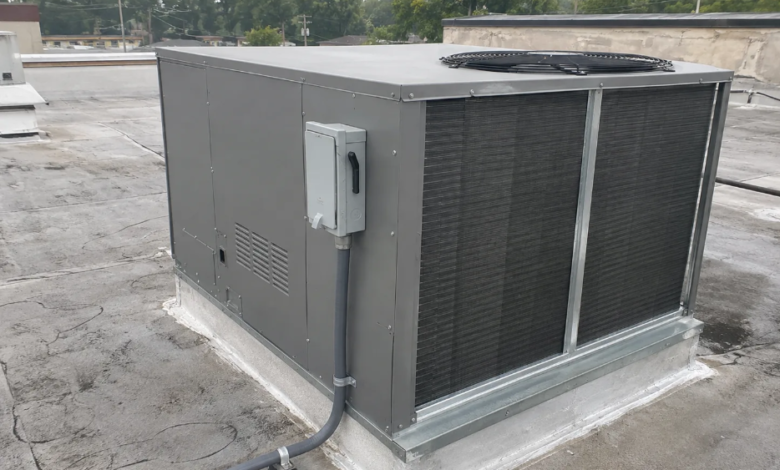
A single-family Cape with a ducted conversion sits at the low end. A two-family with two multi-zone ductless systems, roof-mounted condensers and a service upgrade sits at the top. The Con Ed rebate takes a meaningful piece off cold-climate equipment, and the gas bill drops the first winter.
Queens HVAC at 103-81 52nd Ave in Corona installs cold-climate heat pumps across Corona, Elmhurst, Jackson Heights, Fresh Meadows, Astoria and Bayside. (929) 661-8491.
Corona,
NY
11368