Boubacar Kone: His Family, Career, Museum Work, and Life With C.C.H. Pounder

Boubacar Kone was a Senegalese journalist, art curator, and cultural supporter who spent much of his life helping African art reach a wider audience. Many people know him as the late husband of actress C.C.H. Pounder, but his own work in journalism, museums, and the arts also deserves attention.
Kone and Pounder shared much more than a long marriage. They had a strong interest in modern African art and worked together on major art projects in Senegal and the United States. Their best-known project was Musée Boribana, a contemporary art museum in Dakar that they later gave to Senegal.
Boubacar Kone lived a mostly private life and was never as visible in the media as his famous wife. Still, his work connected artists, cultures, and countries. This article looks at his early life, education, career, marriage, family, museum work, and the legacy he left behind.
Boubacar Kone’s Quick Bio
| Detail | Information |
|---|---|
| Full Name | Boubacar Kone |
| Date of Birth | October 25, 1942 |
| Place of Birth | Senegal |
| Date of Death | August 3, 2016 |
| Age at Death | 73 years old |
| Place of Death | Los Angeles, California, United States |
| Nationality | Senegalese |
| Religion | Reportedly Islam |
| Education | Institute of International Journalism, Strasbourg, France |
| Profession | Journalist, curator, philanthropist, cultural worker |
| Known For | Museum work and marriage to C.C.H. Pounder |
| Wife | C.C.H. Pounder |
| Reported Marriage Year | 1970 |
| Children | Number and names are unclear due to conflicting reports |
| Major Project | Musée Boribana in Dakar, Senegal |
| Other Art Project | Pounder-Kone Art Space in Los Angeles |
| Cause of Death | Reported as natural causes |
Boubacar Kone’s Early Life in Senegal
Boubacar Kone was born on October 25, 1942, in Senegal. He grew up at a time when the country was going through major social and political change. Senegal became independent from France in 1960, when Kone was still a young man preparing for his adult life.
Published profiles say Kone was raised in a Muslim family. However, very little reliable information is available about his parents, siblings, or childhood home. Unlike many public figures, he rarely spoke about his early family life, and most reports focus instead on his later work in journalism and art.
His Senegalese roots remained important throughout his life. Even after studying abroad and spending time in Canada and the United States, he stayed closely connected to Senegal. Years later, he returned that connection through his work with artists and through the museum he created in Dakar with C.C.H. Pounder.
Boubacar Kone’s Education and Studies
Kone reportedly studied at the Institute of International Journalism in Strasbourg, France. His time there gave him training in journalism and also placed him in an international setting where he could meet people from different countries and learn about different cultures.
That education fits closely with the path he later followed. Kone did not build a career in only one field. Journalism opened the door to wider cultural interests, while his work with artists and cultural groups slowly became an important part of his professional life.
Studying outside Senegal also gave him experience beyond West Africa. He later worked across Senegal, Canada, and the United States. That international background helped him become involved in projects that connected African artists with people and institutions in other parts of the world.
How Boubacar Kone Built His Career
Boubacar Kone worked as a journalist, curator, and cultural figure. Some published sources also describe him as an anthropologist and philanthropist. His career was wide-ranging, but one clear theme runs through much of it: he had a deep interest in African culture and in helping artists find a larger audience.
He was associated with cultural circles in Dakar, including work connected with Laboratoires. Reports also link him to major art events and institutions. Instead of seeking fame for himself, Kone often worked behind the scenes, helping organize, advise, and create spaces where art could be shown and discussed.
His career eventually moved beyond traditional journalism. Art became a major part of his life, especially after he and C.C.H. Pounder began working together on cultural projects. Their shared interest later led to one of the biggest achievements of his life: the creation of a contemporary art museum in Senegal.
Kone also spent part of his professional life in North America. This gave him another view of African and Caribbean art outside the continent. Over time, he became part of a wider network linking artists from Africa with members of the African diaspora.
His Work With African Art and Culture
One report connects Boubacar Kone with the Festival Mondial des Arts Nègres, held in Dakar in 1966. The festival brought together writers, musicians, artists, and thinkers from Africa and the African diaspora. It was an important cultural event during the early years of Senegal’s independence.
Kone later moved to Canada, where he was reportedly involved with the Agnes Etherington Art Centre at Queen’s University. Sources also credit him with helping organize an African-Caribbean art festival in Montreal. These experiences placed him around artists and cultural groups from several different backgrounds.
His work was not limited to museums. He was also linked with art groups in Dakar and reportedly served as an adviser to the Afriki Gallery in Los Angeles. These roles show how his career moved between journalism, art, cultural planning, and support for creative communities.
A major part of Kone’s work was helping build links between Africa and its diaspora. Artists with African roots were creating work in Europe, the Caribbean, Canada, and the United States. Kone and Pounder were interested in bringing those different voices together and giving them a place to be seen.
This interest later became central to Musée Boribana. The museum was not simply a building filled with art. It was designed as a space where people from Senegal could see work from African and diaspora artists and where artists from different places could meet through a shared cultural history.
How Boubacar Kone Met C.C.H. Pounder
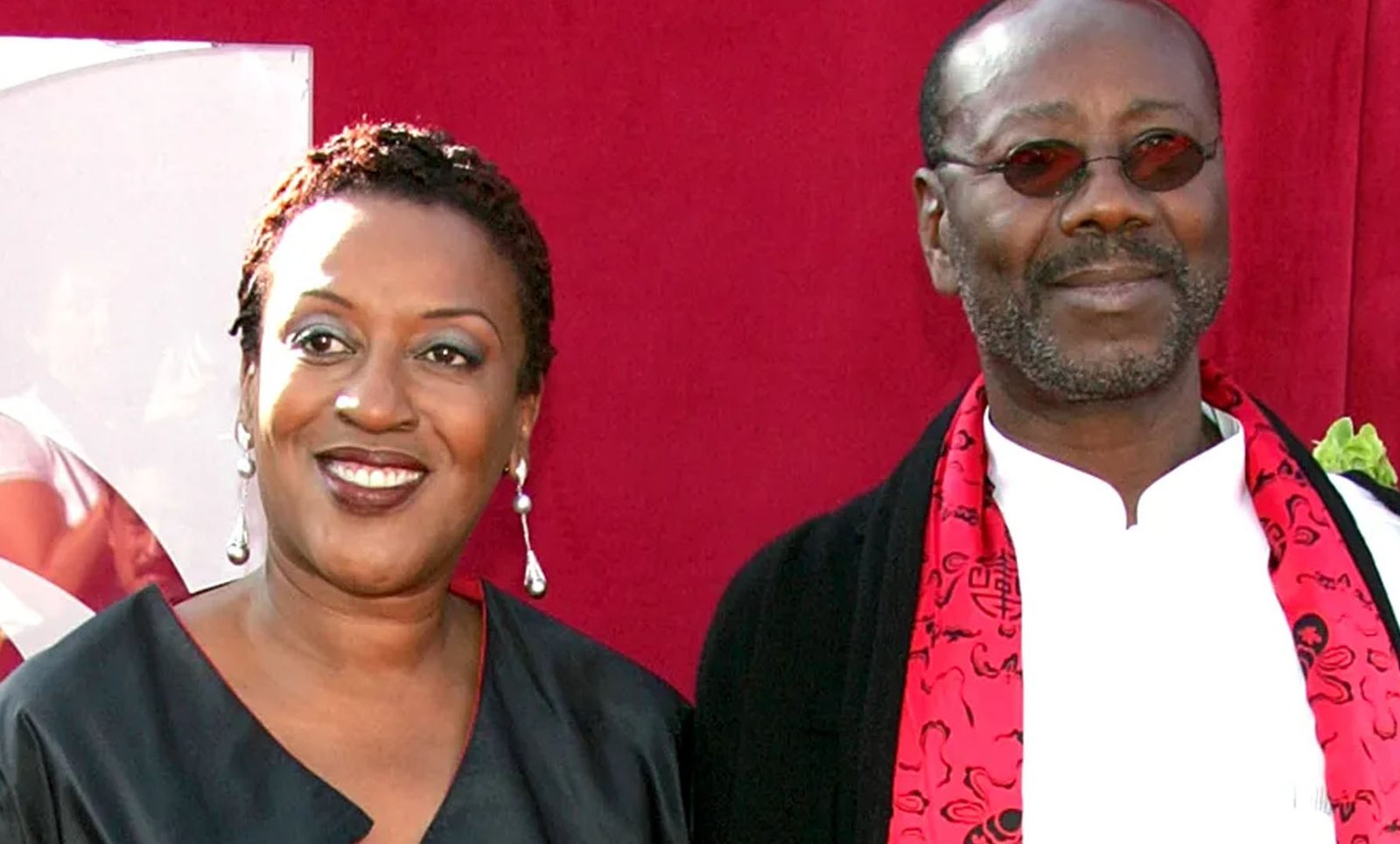
C.C.H. Pounder is a Guyanese-born American actress known for a long career in television and film. She has appeared in productions such as ER, The Shield, Warehouse 13, NCIS: New Orleans, and the Avatar films. Her work made her far more publicly visible than her husband.
Public sources give very few clear details about exactly how Boubacar Kone and C.C.H. Pounder first met. That part of their story appears to have remained private. For that reason, it is better not to create a romantic story around their first meeting when reliable details are limited.
Reports commonly state that the couple married in 1970. Their relationship later became both a family partnership and a creative one. Although their careers were very different, they developed a shared love for contemporary art, especially work connected with Africa and the African diaspora.
That shared interest became one of the strongest parts of their life together. Pounder collected art, while Kone had experience in journalism, cultural work, and curating. Together, they were able to turn their personal interest in art into projects that could also benefit artists and the public.
Boubacar Kone and C.C.H. Pounder’s Marriage
If the widely reported 1970 marriage date is correct, Boubacar Kone and C.C.H. Pounder were married for about 46 years, until his death in August 2016. Some online reports incorrectly describe their marriage as lasting only 25 years, but that figure does not match the commonly reported dates.
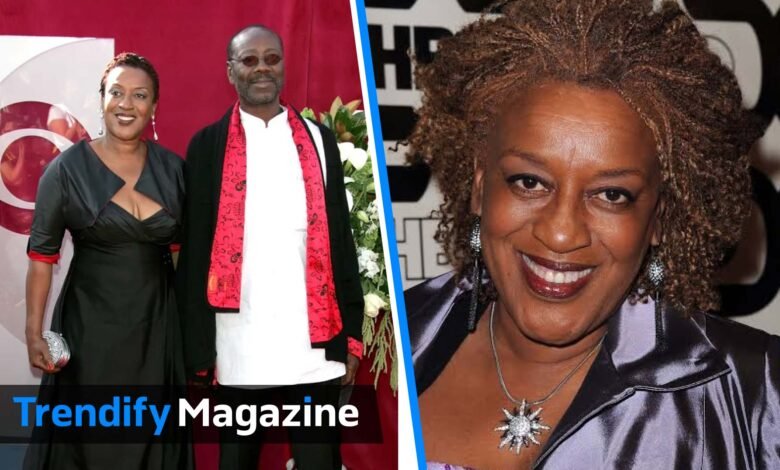
Their marriage stayed fairly private despite Pounder’s Hollywood career. Kone did not appear to seek celebrity attention and was usually seen in public only when accompanying his wife or attending events linked to their shared interests. This helped him maintain a life that was separate from Hollywood publicity.
The couple did attend some major events together. They were photographed at the 49th Primetime Emmy Awards in 1997 and later appeared at the Hollywood premiere of End of Days in 1999. They were also seen together at the 57th Primetime Emmy Awards in 2005.
Their relationship was not based only on red-carpet appearances. Art became one of their strongest shared interests. They collected work, supported artists, and eventually created spaces in both Senegal and Los Angeles where contemporary art could be displayed and discussed.
This mix of marriage, art, and cultural work made their partnership unusual. Pounder had a successful acting career, while Boubacar Kone worked mostly outside entertainment. Yet they found common ground in art and used that shared interest to build projects with a much wider purpose.
Boubacar Kone’s Family and Children
Information about Boubacar Kone’s children is one of the most confusing parts of his public biography. Different published sources give very different names and numbers, so this subject needs to be handled with care rather than presenting one version as certain.
One source says Kone and Pounder had three children named Nicole, Libya, and Matthew Kone. It gives 1971 as Nicole’s birth year, 1973 for Libya, and 1982 for Matthew. The same source also claims that Kone later became a grandfather to six children.
Another published article gives a completely different account. It says the couple had five children named Cheik, Aisha, Awa, Noah, and Mariama. That article also lists three grandchildren. Because these two accounts do not match, the exact family details cannot be treated as fully confirmed from these sources alone.
What is clearer is that Kone and Pounder kept their family life mostly outside the spotlight. Their children were rarely part of Hollywood coverage, even though Pounder became a well-known actress. The couple appeared to separate their public careers from the private lives of their family members.
That privacy is important when discussing Boubacar Kone’s family. Rather than guessing which online list is correct, the safest approach is to acknowledge that published reports conflict. Stronger family records or direct statements would be needed to confirm the exact number and names of his children and grandchildren.
The Story of Musée Boribana
One of the most important parts of Boubacar Kone’s life was Musée Boribana, a contemporary art museum in Dakar, Senegal. He created the project with C.C.H. Pounder after years of interest in African art. The museum became a place where artists could show their work and connect with new audiences.
Sources give slightly different dates for when Musée Boribana began. Some reports say the project started around 1993, while another source says the museum was officially established in 1997. The safest way to understand this is that the idea and planning began in the early 1990s before the museum was fully developed.
The museum had a strong focus on contemporary African art and artists from the African diaspora. Pounder later explained that they wanted people in Africa to see what artists of African background were creating in other parts of the world. This gave the museum a wider cultural purpose.
Musée Boribana was not only a personal art collection. It became a place for cultural exchange. Artists from different countries could share ideas, show their work, and build links with Senegal. For Boubacar Kone, this project brought together many parts of his life, including art, culture, travel, and community work.
Why Boubacar Kone and C.C.H. Pounder Gave the Museum to Senegal
In 2014, Boubacar Kone and C.C.H. Pounder gave Musée Boribana to Senegal. This was a major step because they chose to turn a project they had built together into something that could serve the public for years to come.
The gift showed how deeply Kone cared about Senegal and its cultural life. Instead of keeping the museum as a private project, the couple made it available to the country. This helped protect the museum’s future and allowed more people to benefit from its art and programs.
The decision also fits with Kone’s work as a philanthropist. Much of his career was connected with helping artists and building spaces for culture. Giving the museum away was one of the clearest examples of that goal.
Boubacar Kone died about two years after the donation. Because of that, Musée Boribana remains one of the strongest parts of his public legacy. It reflects not only his love of art, but also his wish to leave something useful behind in Senegal.
The Pounder-Kone Art Space in Los Angeles
Boubacar Kone and C.C.H. Pounder also worked on an art project in the United States. Together, they created the Pounder-Kone Art Space in Los Angeles, giving them another way to support contemporary art outside Senegal.
The Los Angeles project showed that their interest in art was not limited to one country. They were especially interested in work connected with Africa and the African diaspora. This allowed them to build links between artists living in different parts of the world.
For Kone, the art space was another part of a career that crossed borders. He had worked in Senegal, Canada, and the United States, and his cultural work often focused on bringing people together through art.
The Pounder-Kone Art Space also shows how closely his work was tied to his marriage. Pounder was a well-known actress, but art was a major part of her private life. Together, the couple turned that shared interest into real projects rather than keeping it as a personal hobby.
Boubacar Kone’s Death and Reported Cause
Boubacar Kone died on August 3, 2016, in Los Angeles, California. He was 73 years old at the time and would have turned 74 later that year. His death ended a long career connected with journalism, art, museums, and cultural work.
One published report says Boubacar Kone died from natural causes. However, the sources available do not give a clear medical condition or a more detailed cause of death. Because of that, it would not be right to guess about an illness or health problem.
There is also little clear public information about where he was buried. Some online biographies mention that the burial location is not known. This is another area where it is better to stay with what is confirmed instead of repeating uncertain claims.
His death came only two years after he and Pounder gave Musée Boribana to Senegal. By that point, Kone had already left behind a strong body of cultural work that continued to connect his name with African art and museum life.
How C.C.H. Pounder Remembered Boubacar Kone
C.C.H. Pounder continued to remember her husband after his death. On the first anniversary of his passing, she shared that prayers were offered and a feast was prepared in celebration of his life. The gathering showed that his memory remained important to his family and those close to him.
Years later, Pounder again remembered Boubacar Kone publicly. In October 2023, on what would have been his 81st birthday, she shared an older photograph of him on Instagram along with a personal birthday message.
The tribute gave fans a rare look at the personal side of their marriage. Kone had usually stayed away from public attention, so Pounder’s posts helped people see more of the man behind the museum work and public photographs.
Pounder has also continued her own connection with art. Her interest in collecting and supporting artists did not end with Kone’s death. In this way, part of the creative life they built together has continued through her work and public support for art.
Boubacar Kone’s Lasting Work in Art
Boubacar Kone’s legacy is much bigger than his connection to a famous actress. He worked as a journalist, curator, cultural supporter, and philanthropist. His career took him across several countries, but African art and cultural exchange stayed at the center of much of his work.
His involvement with art projects in Senegal, Canada, and Los Angeles gave him an international role. He helped connect artists from Africa with artists from the wider African diaspora, creating spaces where their work could be seen and discussed.
Musée Boribana remains the clearest example of that work. Building a contemporary art museum in Dakar and later giving it to Senegal showed a long-term commitment to culture. It was not simply about collecting art. It was about giving artists and the public a place to meet.
The Pounder-Kone Art Space in Los Angeles added another part to that story. Together, these projects show that Boubacar Kone spent much of his life helping art move across borders and reach different communities.
He is often introduced as C.C.H. Pounder’s husband, which is understandable because of her long Hollywood career. Still, looking closely at his life shows that he had his own career, his own interests, and his own place in the story of modern African art.
Bottom Line
Boubacar Kone lived a life that connected journalism, art, family, and culture. Born in Senegal in 1942, he later studied in France and worked across Africa and North America. His path eventually led him deeply into the world of contemporary art.
His marriage to C.C.H. Pounder was also a creative partnership. Together, they supported artists, built Musée Boribana in Dakar, created an art space in Los Angeles, and later gave their Senegal museum to the public.
Some parts of Kone’s personal life remain unclear. In particular, online sources disagree about the names and number of his children and grandchildren. These details should be treated carefully until stronger records or direct family sources confirm them.
What is much clearer is his cultural work. Boubacar Kone helped create spaces where African and diaspora artists could be seen, supported, and remembered. That work remains an important part of the story he left behind.
(FAQs)
Who was Boubacar Kone?
Boubacar Kone was a Senegalese journalist, curator, philanthropist, and cultural figure. He is also widely known as the late husband of actress C.C.H. Pounder.
What was Boubacar Kone’s cause of death?
One published report says he died of natural causes. A more detailed medical cause has not been clearly confirmed in the available information.
Was Boubacar Kone married to C.C.H. Pounder?
Yes. Reports commonly say Boubacar Kone and C.C.H. Pounder married in 1970 and remained together until his death in 2016.
What was Musée Boribana?
Musée Boribana was a contemporary art museum in Dakar created by Boubacar Kone and C.C.H. Pounder. It focused on African and diaspora art and was later given to Senegal in 2014.
How many children did Boubacar Kone have?
Published sources do not agree. One source lists three children, while another gives five different names. Because of this conflict, the exact number and names should not be treated as fully confirmed.
Michel Stern: The Story of Lisa Kudrow’s Husband and Their Long Marriage
Rhett Hartzog: Everything to Know About Andie MacDowell’s Former Husband