
Purchasing a car is an important financial decision, whether you need dependable transportation for your daily commute, a comfortable vehicle for family trips, or a practical option for exploring New Mexico. Before committing to a purchase, it is worth looking beyond the advertised price and evaluating the vehicle’s condition, history, features, and long-term costs. Albuquerque’s sunny climate, warm temperatures, and varied driving conditions also make certain inspection points especially relevant. When comparing Albuquerque cars, taking time to review these details can help you avoid unexpected expenses and choose a vehicle that suits your needs.
1. Set a Realistic Budget
Before visiting a dealership, determine how much you can comfortably spend. Consider your available down payment, monthly income, existing expenses, and the amount you can reasonably allocate to transportation.
The purchase price is only one part of the total cost. You should also account for sales-related taxes, title and registration charges, insurance, fuel, routine maintenance, and potential repairs. If you are financing the vehicle, compare the annual percentage rate, loan term, and total amount you will repay rather than focusing exclusively on the monthly payment.
It can be helpful to obtain an insurance estimate before making a final decision. Insurance premiums can vary considerably depending on the vehicle, your driving history, coverage choices, and other factors.
Set a maximum budget before shopping and leave some money available for unexpected expenses. A vehicle that fits comfortably within your budget is generally a better choice than one that stretches your finances to the limit.
2. Examine the Exterior and Paint Condition
Inspect the vehicle in daylight so you can see its exterior clearly. Walk around the car and look for dents, scratches, rust, cracked lights, damaged glass, and uneven gaps between body panels.
Pay attention to differences in paint color or texture. These may indicate previous bodywork or repainting, although they do not automatically mean the vehicle has serious damage. Ask about any repairs that appear to have been made and request supporting documentation when available.
Albuquerque’s strong sunlight can affect a vehicle’s exterior over time. Check the hood, roof, trunk, and mirrors for faded paint or peeling clear coat. Inspect the headlights for cloudiness and examine rubber seals around the doors and windows for signs of deterioration.
Look beneath the vehicle for obvious leaks or damaged components, provided it is safe to do so. If you notice signs of previous collision damage or questionable repairs, consider arranging a professional inspection before proceeding.
3. Check the Tires, Brakes, and Suspension
Tires can reveal useful information about a vehicle’s maintenance and mechanical condition. Examine the tread depth and look for cracks, bulges, punctures, or uneven wear. Uneven tread may indicate alignment problems, suspension wear, or incorrect tire pressure.
Also check the tire sidewalls for signs of aging. In a hot, sunny climate, tires can deteriorate even when the tread appears acceptable. Look at the manufacturing date code and consider whether replacement may soon be necessary.
During the test drive, evaluate the braking system. The vehicle should slow down predictably without persistent grinding, unusual vibration, or noticeable pulling to one side.
Pay attention to suspension behavior as well. Clunking sounds, excessive bouncing, or unusual steering responses may indicate components that require further examination.
If tires, brakes, or suspension parts need replacement soon, include those costs in your budget. A mechanic can help determine the seriousness of any concerns and provide a more reliable estimate of necessary repairs.
4. Review the Vehicle History and Maintenance Records
A vehicle’s history can help you understand how it has been used and whether it may have hidden problems. Request a vehicle history report and review any available maintenance records before making a decision.
Look for information about reported accidents, title brands, previous ownership, mileage records, and major repairs. A salvage or rebuilt title deserves careful investigation because previous damage may affect safety, insurance, financing, and resale value.
Check whether the recorded mileage appears consistent with the vehicle’s age and condition. Unusual wear on the steering wheel, pedals, or driver’s seat may justify questions if the odometer shows relatively low mileage.
Ask whether routine services were performed according to the manufacturer’s recommendations. Oil changes, coolant service, brake maintenance, and other scheduled work can provide clues about how carefully the vehicle was maintained.
A clean history report does not guarantee that a vehicle has never been damaged. Reports may not include every incident, so combine the available records with a physical inspection and test drive.
5. Inspect the Engine and Essential Systems
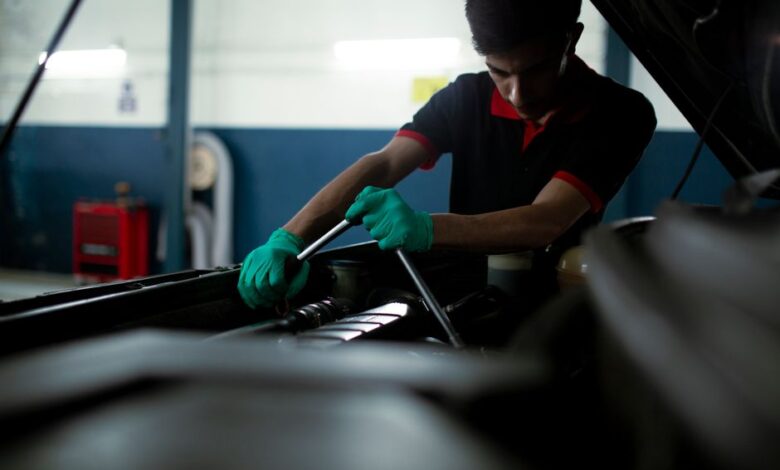
The engine compartment deserves careful attention before you purchase a used car. Look for obvious fluid leaks, damaged hoses, worn belts, loose wiring, and excessive corrosion around the battery terminals.
Check whether the vehicle starts easily and whether the engine idles smoothly. Listen for unusual knocking, rattling, or persistent mechanical noises. Dashboard warning lights should also be checked to make sure they illuminate appropriately during startup and then behave as expected.
Test the air conditioning carefully, particularly because comfortable cooling can be important during Albuquerque’s warmer months. Allow the system time to operate and verify that it produces appropriately cool air. Check the heater, windshield defroster, and ventilation controls as well.
Inspect the windows, locks, lights, infotainment system, backup camera, and other electrical features. Replacing a malfunctioning component may be manageable, but multiple electrical problems can make a vehicle more expensive to own.
Do not attempt to diagnose complex mechanical problems solely through a visual inspection. If anything seems unusual, ask a qualified mechanic to examine the vehicle before you commit.
6. Take a Thorough Test Drive
A test drive helps you understand how the vehicle performs in real driving conditions. Whenever possible, choose a route that includes residential streets, ordinary traffic, and a faster road where you can safely assess highway behavior.
Notice how the car accelerates, changes gears, steers, and brakes. The steering should feel predictable, while the transmission should operate without repeated harsh shifts or unexpected hesitation.
Pay attention to vibrations, unusual smells, warning lights, and sounds that occur while driving. Check whether the vehicle tracks normally on a suitable road and whether the ride feels comfortable for your intended use.
Try parking the vehicle and reversing to evaluate visibility and maneuverability. If you regularly travel with passengers, assess rear-seat space and entry comfort.
A short drive may not reveal every problem, but it can help you identify issues that deserve further investigation. If the seller refuses a reasonable test drive or discourages questions about the vehicle’s condition, consider whether you should continue with the purchase.
7. Arrange an Independent Pre-Purchase Inspection
Even if a vehicle looks clean and drives well, an independent inspection is one of the most useful steps before buying it. A qualified mechanic can examine components that may be difficult for an average buyer to assess.
The inspection may cover the engine, transmission, brakes, suspension, steering, electrical systems, tires, and underbody. A mechanic may also identify signs of previous repairs or maintenance needs that could become expensive later.
Choose an independent professional rather than relying exclusively on the seller’s assessment. If the inspection identifies problems, ask for a written explanation and an estimate of likely repair costs.
You can then decide whether to proceed, discuss the findings with the seller, or look for another vehicle. Walking away from a car with serious unresolved concerns may be a more sensible choice than accepting avoidable repair risks.
8. Understand the Price, Fees, and Warranty
Before signing any documents, compare the asking price with similar vehicles based on model year, mileage, trim, condition, and equipment. A low advertised price is not necessarily the best deal if the car needs extensive repairs or carries additional charges.
Request a written breakdown of the selling price, applicable taxes, title and registration expenses, dealer fees, and any optional products. Ask for the total out-the-door price so you can compare offers accurately.
Review the purchase agreement carefully and make sure all promised repairs, accessories, and other commitments are documented in writing.
New Mexico also has specific consumer protections for used-car purchases from licensed dealers, including a generally required minimum 15-day or 500-mile warranty, whichever comes first, subject to applicable rules and permitted waivers. Read the warranty terms and ask questions about coverage before signing.
Do not assume that you can automatically return a vehicle simply because you change your mind. Understand the contract, warranty, and applicable state requirements before completing the transaction.
Conclusion
Purchasing a car in Albuquerque requires careful attention to more than appearance and price. Setting a realistic budget, inspecting the exterior and mechanical components, reviewing vehicle history, and taking a thorough test drive can help you identify potential concerns before they become costly problems. An independent mechanic’s inspection and a clear understanding of fees and warranty terms provide additional confidence. By evaluating each vehicle carefully and taking time to compare your options, you can make a more informed decision and find a car that suits your driving needs, budget, and long-term expectations.