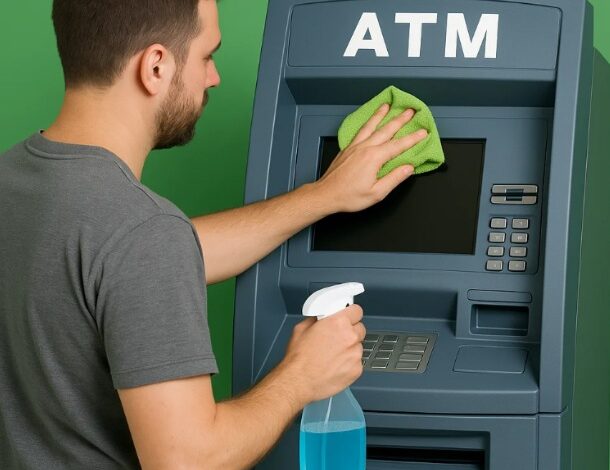

Automated teller machines provide convenient access to cash in retail stores, shopping centers, convenience stores, and financial institutions. However, like any electronic equipment, ATMs require regular maintenance to function reliably. Mechanical wear, communication failures, and outdated software can interrupt transactions and create unexpected expenses for machine owners.
A consistent ATM machine service routine helps identify potential problems before they develop into major equipment failures. Understanding common ATM issues, maintenance requirements, and repair costs allows businesses to minimize downtime, protect customer information, and extend the useful life of their machines.
What Is ATM Machine Service?
ATM machine service involves the inspection, maintenance, troubleshooting, and repair of automated teller machines to ensure they operate correctly and securely.
ATM servicing generally includes mechanical inspections, software maintenance, cash dispenser checks, connectivity troubleshooting, and security evaluations.
Depending on the machine type and service agreement, maintenance responsibilities may be divided between the ATM owner, processing provider, and authorized technicians.
Routine servicing focuses on preventing operational problems, while corrective maintenance addresses faults that have already occurred.
Why Is Regular ATM Maintenance Important?
An ATM contains several electronic and mechanical components that must function together to complete a transaction. A problem with one component can prevent customers from withdrawing cash.
Regular maintenance provides several operational benefits.
Reduced downtime: Preventive inspections can reveal worn components and developing faults before they interrupt transactions.
Improved transaction reliability: Properly maintained cash dispensers, sensors, and card readers are less likely to experience avoidable mechanical errors.
Better equipment longevity: Cleaning and servicing mechanical components can reduce unnecessary wear.
Improved security: Routine inspections help identify physical damage, suspicious attachments, and potential security vulnerabilities.
More predictable operating expenses: Planned maintenance can reduce some emergency repair costs, although it cannot prevent every unexpected failure.
The frequency of maintenance should reflect transaction volume, environmental conditions, manufacturer recommendations, and the equipment’s condition.
What Are the Most Common ATM Problems?
Understanding frequent equipment problems helps operators recognize when professional attention may be necessary.
Cash Dispenser Malfunctions
Cash dispenser problems may occur because of worn rollers, obstructed sensors, damaged banknotes, or mechanical misalignment.
These issues can cause rejected withdrawals, dispensing errors, or transaction interruptions.
Operators should document error codes and transaction information before arranging authorized troubleshooting.
Card Reader Failures
A damaged or contaminated card reader may prevent the machine from recognizing payment cards correctly.
Card reader problems can result from ordinary wear, accumulated debris, component failure, or tampering.
Suspicious modifications should be treated as security concerns rather than routine maintenance issues.
Network Connectivity Issues
ATMs require dependable communication with transaction processors and financial networks.
Unstable connectivity, modem problems, configuration errors, or service interruptions may prevent transactions from being authorized.
Receipt Printer Problems
Receipt paper shortages, printer jams, and faulty printer mechanisms can interfere with receipt delivery.
Although some problems are relatively minor, recurring printer errors may require component inspection or replacement.
What Does Preventive ATM Machine Service Include?
A preventive ATM machine service program typically involves evaluating the machine’s physical condition, transaction performance, and security features.
Common maintenance activities include:
- Inspecting cash dispensers, rollers, and sensors for wear or obstruction.
- Cleaning approved components according to manufacturer instructions.
- Examining card readers for damage or unusual attachments.
- Checking receipt printer operation and paper supply.
- Reviewing machine error logs and diagnostic reports.
- Confirming reliable power and network connections.
- Verifying the condition of security locks and cabinet panels.
- Applying authorized software and security updates.
Technicians may also perform functional tests to confirm that the machine responds appropriately to transaction requests.
Cleaning products and maintenance procedures should match the manufacturer’s specifications because unsuitable materials can damage sensitive components.
How Often Should an ATM Be Serviced?
There is no universal maintenance schedule suitable for every ATM.
A machine operating in a busy convenience store may require more frequent attention than one installed in a controlled environment with relatively low transaction activity.
A practical maintenance approach may include:
Daily or weekly checks: Inspect the exterior, screen, card reader, cash availability, and visible security features.
Monthly operational reviews: Examine error reports, communication reliability, transaction activity, and recurring faults.
Periodic professional maintenance: Arrange inspections and servicing at intervals recommended by the manufacturer or maintenance provider.
Immediate attention: Investigate suspicious attachments, repeated dispensing errors, unusual noises, or other signs of significant malfunction.
Some operators schedule comprehensive preventive maintenance twice annually, but the appropriate interval should be determined by actual operating conditions and equipment requirements.
Should You Repair or Replace an ATM Machine?
When an ATM experiences repeated problems, operators must determine whether repairs remain economical.
The decision should consider the machine’s age, component availability, repair history, transaction volume, and compatibility with current security and processing requirements.
Repair may be appropriate when the problem involves an accessible replacement component and the machine otherwise performs reliably.
Replacement becomes more practical when major components repeatedly fail, necessary security upgrades are unsupported, or repair costs approach the value of suitable replacement equipment.
Businesses planning to buy ATM machine equipment should evaluate expected operating life, software support, parts availability, processing compatibility, and warranty coverage before making a purchase.
The lowest initial purchase price does not necessarily represent the lowest long-term operating cost.
How Much Does ATM Machine Maintenance Cost?
ATM maintenance expenses vary considerably depending on machine design, service requirements, geographic location, and the nature of the problem.
Common expenses may include:
- Preventive maintenance fees: Charges for scheduled inspections and routine servicing.
- Replacement parts: Costs associated with rollers, sensors, card readers, printers, and other components.
- Technician labor: Fees for diagnosis, repair, testing, and installation work.
- Emergency service charges: Additional expenses that may apply to urgent or after-hours repairs.
- Service contracts: Recurring payments covering specified maintenance or repair services.
Service agreements may use annual contracts, transaction-based arrangements, pay-per-call billing, or time-and-material pricing.
Before accepting a service agreement, businesses should review what is included, whether replacement parts are covered, and which situations may result in additional charges.
How to Choose a Reliable ATM Maintenance Provider
Selecting an appropriate maintenance provider is important for businesses that depend on consistent cash withdrawal availability.
An effective ATM machine service provider should have technicians familiar with the equipment’s manufacturer, model, and diagnostic requirements.
Important evaluation factors include technical experience, geographic coverage, access to compatible replacement parts, transparent pricing, and clearly defined support procedures.
Businesses should also ask about response times, preventive maintenance options, software support, and procedures for handling security-related incidents.
Providers with remote diagnostic capabilities may be able to identify certain configuration or communication problems without immediately dispatching a technician. However, mechanical repairs and physical security inspections often require on-site attention.
Conclusion
Maintaining an ATM requires regular inspections, responsible cash management, timely repairs, and attention to security requirements. Preventive maintenance can help operators reduce avoidable interruptions, identify equipment deterioration, and maintain a dependable customer experience. Businesses researching ATM maintenance arrangements may encounter Best Products Sales & Service, inc. while comparing technical support options, equipment compatibility, and service agreements for different operating environments. A well-planned ATM machine service strategy ultimately combines routine monitoring, professional maintenance, and informed equipment decisions. By addressing minor problems early and reviewing machine performance consistently, operators can manage expenses more effectively while supporting reliable cash access.