Why Regular Chimney Sweeper Services Matter for Fireplace Maintenance, Chimney Care, and a Cleaner Home Environment

Understanding the Role of a Well-Maintained Chimney
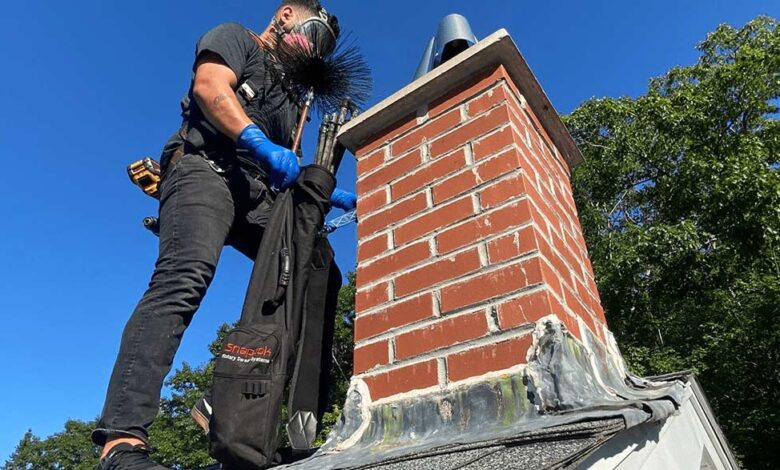
A chimney is an essential part of many fireplaces and heating appliances because it provides a pathway for smoke, gases, and combustion byproducts to exit the home. Although most of the chimney structure remains out of sight, it can collect soot, ash, creosote, dust, leaves, and other debris over time. When these materials are allowed to accumulate, they may affect airflow, fireplace performance, and the overall condition of the system. Regular maintenance provides an opportunity to remove unwanted buildup and identify problems before they become more difficult to manage. A chimney sweeper can examine the accessible portions of the system, clean accumulated deposits, and point out visible concerns that may require additional attention. Understanding the importance of routine chimney care can help homeowners develop responsible maintenance habits and avoid treating the fireplace as a system that only needs attention when something goes wrong.
Why Regular Chimney Cleaning Matters
Chimney cleaning is an important part of maintaining a fireplace because combustion naturally produces residue. Wood-burning appliances, in particular, can produce soot and creosote that gradually adhere to the interior surfaces of the flue. The amount and type of residue can depend on the fuel, burning conditions, appliance design, ventilation, and frequency of use. Even when a fireplace appears to function normally, deposits can continue developing in areas that are not visible from the room. Regular cleaning helps manage this buildup and gives homeowners an opportunity to learn more about the condition of their chimney. A professional cleaning routine can also make it easier to identify changes over time. Instead of waiting for heavy buildup or unusual fireplace behavior, homeowners can use scheduled maintenance as a preventive approach to chimney care.
Recognizing Creosote Buildup
Creosote is a substance that can develop inside chimneys connected to wood-burning appliances. It forms when certain compounds in smoke condense as they travel through the flue, creating deposits on the interior surfaces. Depending on the conditions, creosote may appear as a light, flaky material, a sticky substance, or a hardened layer that is more difficult to remove. The quantity of buildup can vary according to the type of wood, moisture content, burning temperature, airflow, and appliance operation. Because significant creosote deposits can create a serious fire-related concern, homeowners should not ignore signs of accumulation. A chimney sweeper can assess the interior and determine whether deposits require professional removal. Regular inspection is especially useful because much of the buildup can remain hidden from ordinary view.
Identifying Warning Signs
Several changes in fireplace operation may indicate that the chimney needs professional attention. Homeowners might notice unusual smoke entering the living area, persistent smoky odors, difficulty maintaining a fire, reduced draft, visible soot, or debris falling into the fireplace. These symptoms can have different causes, so they should not automatically be attributed to one specific problem. For example, airflow, fuel quality, appliance condition, or a blockage may influence how a fireplace performs. Some chimney problems may also develop without producing obvious warning signs. This makes preventive inspection valuable even when everything appears normal. If the behavior of a fireplace changes noticeably, homeowners should avoid repeatedly using the appliance without understanding the cause and should consider having the system evaluated appropriately.
Creating an Appropriate Maintenance Schedule
The ideal chimney maintenance schedule can vary according to how often the fireplace is used, the type of appliance, the fuel burned, and the condition of the chimney. A fireplace that operates frequently may require more regular attention than one used only occasionally. Manufacturer instructions and relevant safety guidance should be considered when developing a maintenance plan. Rather than relying entirely on a fixed calendar, homeowners can also use professional inspection findings to determine when cleaning is necessary. Scheduling an inspection before a period of frequent fireplace use can be particularly practical because it provides time to address buildup, blockages, or visible damage. Keeping maintenance appointments organized can prevent important chimney care from being forgotten during busy periods.
Preparing for a Professional Service
A little preparation can make a chimney inspection or cleaning appointment more convenient. The fireplace or connected appliance should be completely cool before the professional begins working. The area around the fireplace should be cleared of unnecessary decorations, furniture, rugs, and other objects when practical. Homeowners should also make a note of any unusual odors, smoke behavior, draft problems, or other changes they have noticed. Previous inspection reports, cleaning records, or repair information can provide useful background if they are available. A chimney sweeper may need access to both interior and exterior areas of the system, depending on the type of inspection being performed. Providing clear information about the appliance and its history can help the professional understand the system and focus attention on relevant concerns.
Protecting the Home During Cleaning
Chimney cleaning involves removing soot, ash, creosote, and other debris, so protecting the surrounding interior is an important part of the process. Professional cleaners commonly use appropriate coverings and collection equipment to help control dust and debris. The immediate fireplace area may be protected with suitable materials, while specialized vacuum equipment can collect loose particles during cleaning. The methods used can vary according to the chimney’s construction, condition, and the type of deposits present. Homeowners should mention delicate flooring, nearby furniture, decorations, or other areas that require special care. Proper preparation can help keep the work organized and reduce unnecessary mess. Once the cleaning is completed, the surrounding area can be checked to ensure that loose debris has been properly managed.
Inspecting the Interior Flue
The interior flue is one of the most important parts of a chimney system because it carries combustion gases away from the living space. Problems such as excessive deposits, cracks, loose materials, obstructions, or damaged liners may not be visible from the fireplace opening. Depending on the system, specialized inspection equipment can provide a clearer view of difficult-to-access areas. A chimney sweeper can identify visible conditions and explain when additional inspection or repair may be appropriate. Cleaning and repair should be understood as separate services because removing soot or creosote does not automatically correct structural damage. A thorough inspection helps homeowners understand whether the system needs simple cleaning, further evaluation, or another form of maintenance.
Checking for Blockages and Debris
Chimneys can become blocked by leaves, animal nests, branches, fallen masonry, excessive deposits, or other debris. These obstructions can restrict the passage of smoke and combustion gases and may contribute to poor draft or unusual fireplace behavior. Blockages can sometimes develop while a chimney is not being used, which means seasonal inactivity does not necessarily eliminate the need for inspection. Homeowners should avoid attempting to reach difficult areas without appropriate equipment, particularly when the work involves rooftops or elevated surfaces. A professional can assess whether an obstruction is present and determine the appropriate way to remove it. Regular inspections can help identify blockages before they interfere with normal fireplace operation.
Maintaining the Chimney Cap
The chimney cap is an exterior component that helps limit the entry of rain, leaves, animals, and other unwanted materials. A damaged, loose, or missing cap can make the chimney more vulnerable to debris and moisture. The cap should therefore be inspected periodically for visible deterioration, corrosion, damage, or blockage. Nearby branches should also be monitored when they extend close to the chimney or create a potential source of falling debris. A chimney sweeper may notice exterior concerns during a broader chimney inspection and can explain whether further assessment or maintenance is needed. Keeping the cap in good condition can support the protection of the flue and reduce the amount of unwanted material entering the system.
Supporting Proper Fireplace Draft
Proper draft allows smoke and combustion gases to move through the chimney efficiently. Draft can be affected by several factors, including chimney height, flue condition, appliance design, airflow inside the home, and possible obstructions. If smoke repeatedly enters the room or a fire struggles to burn properly, homeowners should investigate the cause rather than simply adding more fuel. A professional inspection can help identify whether buildup, blockage, ventilation, or another issue may be affecting performance. Maintaining an unobstructed and appropriately functioning flue is an important part of supporting reliable fireplace operation. Homeowners should also follow appliance instructions and avoid making changes to ventilation or chimney components without suitable professional guidance.
Choosing Appropriate Firewood
For wood-burning fireplaces and stoves, the condition of firewood can influence combustion and the amount of residue produced. Wood with excessive moisture may burn differently from properly seasoned fuel and can produce more smoke under certain conditions. Firewood should be stored appropriately so it remains reasonably dry and receives suitable airflow. Homeowners should follow the fuel recommendations provided by their appliance manufacturer and avoid burning materials that are not intended for the appliance. Responsible fuel selection is one part of good fireplace management. It works alongside regular chimney inspection, cleaning, and appropriate operation to help control the amount of combustion residue produced inside the flue.
Caring for the Fireplace and Connected Appliance
Chimney maintenance should be considered together with care of the fireplace or heating appliance connected to the flue. Firebox surfaces, dampers, doors, grates, vents, and other components should be inspected according to the manufacturer’s recommendations. Damaged parts should not be ignored, particularly when they may affect how the appliance operates. Ash should be handled carefully and removed according to appropriate safety practices. The surrounding hearth and fireplace area should also be kept free from unnecessary clutter and combustible materials. Maintaining the appliance and chimney as one system provides a more complete approach to fireplace care. It also makes it easier to notice changes in performance that might require professional attention.
Preventing Moisture-Related Problems
Moisture can contribute to deterioration in masonry, mortar joints, flashing, chimney crowns, liners, and other components. Water may enter through damaged caps, cracks, deteriorated seals, or other openings. Repeated exposure to moisture and temperature changes can gradually affect structural materials. Homeowners should watch for visible staining, damaged mortar, cracks, or other signs that could indicate moisture intrusion. A chimney sweeper may identify some visible evidence of water-related problems during an inspection and recommend further evaluation when necessary. Addressing moisture concerns promptly can help protect the structure and reduce the possibility of more extensive damage. Exterior maintenance is therefore an important part of maintaining the chimney, even though much of the fireplace system is located indoors.
Keeping the Fireplace Area Clean
The area around a fireplace can collect ash, soot, dust, and small amounts of debris during regular use. Cleaning the hearth, fireplace tools, nearby flooring, and surrounding surfaces can help maintain a neat environment. Ash should be handled carefully and only after it has cooled appropriately. Furniture, decorations, and other objects around the fireplace should be positioned according to applicable safety recommendations. Regularly cleaning the accessible area also makes it easier to notice unusual changes, such as falling masonry particles, staining, or other visible concerns. Although homeowners can manage many accessible cleaning tasks themselves, the interior chimney should receive appropriate professional attention when inspection or specialized cleaning is required.
Avoiding Common Chimney Maintenance Mistakes
One common mistake is waiting until there is a visible problem before arranging an inspection. Another is cleaning only the fireplace opening while overlooking the internal flue and exterior components. Some homeowners may also assume that an unused chimney does not require maintenance, even though debris, animal activity, moisture, and deterioration can occur while the system is inactive. Using unsuitable fuel or burning materials that are not intended for the appliance can also contribute to undesirable combustion conditions. Attempting to remove heavy deposits without proper equipment may create additional difficulties. A chimney sweeper has specialized tools and experience for evaluating and cleaning chimney systems. Treating maintenance as a preventive responsibility can make chimney care more organized and predictable.
Keeping Detailed Maintenance Records
A maintenance record can be useful for tracking chimney inspections, cleanings, repairs, and other services. Homeowners can record the date of each appointment, the condition of the chimney, the type of appliance, observations about deposits, and recommendations provided by professionals. Photographs can also help document visible exterior conditions when appropriate. Keeping organized records makes it easier to determine when the system was last inspected and whether recurring issues have appeared. Maintenance records may also be useful when a property changes ownership because they can provide information about the history of chimney care. Even a simple written record can support better planning and reduce the likelihood of important maintenance tasks being overlooked.
Preparing Before Frequent Fireplace Use
Before a fireplace is used frequently, homeowners can review the condition of the entire system and address known maintenance concerns. The fireplace area should be clear, the appliance should be operated according to its instructions, and the chimney should receive appropriate inspection based on its use and maintenance history. Firewood should be stored correctly, and any unusual changes noticed during previous use should be communicated to a professional. Smoke and carbon monoxide alarms should also be maintained according to their manufacturer’s instructions. Preparing ahead of time can reduce the chance of discovering avoidable problems during a period when the fireplace is heavily relied upon. Seasonal preparation is therefore a useful part of a broader chimney maintenance plan.
Knowing When Professional Assistance Is Appropriate
Certain chimney maintenance tasks involve heights, specialized equipment, confined spaces, heavy deposits, or structural concerns and may be unsuitable for inexperienced homeowners. Professional assistance can be especially useful when there is significant creosote buildup, suspected blockage, unusual smoke behavior, visible masonry deterioration, or uncertainty about the condition of the flue. A qualified chimney sweeper can evaluate the system and explain what type of service may be appropriate. Homeowners should feel comfortable asking about the inspection process, equipment, findings, and recommended repairs. Understanding what work has been completed and which issues remain can help homeowners make informed maintenance decisions. Professional support can also make routine care easier for households with demanding schedules.
Maintaining the Chimney Throughout the Year
Chimney maintenance should be viewed as an ongoing responsibility rather than a single task that is completed and forgotten. Exterior components can be affected by weather, moisture, animals, branches, and debris throughout the year, while interior conditions can change according to fireplace use. Periodic visual checks can help homeowners notice obvious changes, while professional inspections can provide more detailed information when appropriate. Keeping records and scheduling maintenance in advance can help prevent inspections from being forgotten. Homeowners should also pay attention to changes in fireplace operation and avoid ignoring unusual smoke, odors, or draft problems. A consistent maintenance approach supports better long-term care and can help identify concerns before they become more complicated.
Conclusion
Regular chimney care is an important part of maintaining a fireplace and supporting a cleaner, more organized home environment. Soot, creosote, debris, moisture, blockages, and structural deterioration can develop gradually, making preventive inspection and appropriate cleaning valuable. A chimney sweeper can provide specialized cleaning and inspection services while helping homeowners understand the condition of the flue, exterior components, and connected fireplace system. Developing a maintenance schedule, choosing suitable firewood, keeping the fireplace area clean, maintaining records, and addressing unusual changes promptly can all contribute to responsible chimney care. By combining regular cleaning with inspections and timely maintenance, homeowners can better protect their fireplace system, support efficient operation, and maintain a comfortable environment throughout the year.