How Proper Landscape Maintenance Can Keep Your Yard Healthy, Attractive, Clean, and Well Organized

Understanding the Importance of a Healthy Yard
A well-maintained yard can significantly improve the appearance, comfort, and functionality of a property. Green grass, healthy plants, properly trimmed shrubs, attractive trees, clean pathways, and organized planting beds create an outdoor environment that feels welcoming and cared for. However, keeping a yard in excellent condition requires more than occasional mowing or watering. Plants have different nutritional and watering needs, lawns require regular attention, and outdoor structures can gradually develop problems when they are ignored. Consistent landscape maintenance helps property owners stay ahead of these issues while preserving the beauty and usability of their outdoor spaces. A planned approach also makes regular tasks easier to manage because problems can often be identified and corrected before they become expensive or difficult to handle.
Creating a Consistent Maintenance Schedule
One of the most effective ways to keep a yard healthy is to create a regular maintenance schedule. Outdoor areas require different types of care throughout the year, and each task should be completed at an appropriate time. A maintenance plan may include mowing, watering, pruning, fertilizing, weeding, mulching, cleaning, pest inspection, and irrigation checks. Instead of waiting until plants become unhealthy or grass becomes overgrown, property owners can follow a routine that addresses basic needs consistently. A written checklist or calendar can make it easier to track recurring tasks and ensure that important areas are not forgotten. Regular care also prevents maintenance work from becoming overwhelming because small tasks are handled gradually rather than accumulating into a large project.
Keeping Grass Healthy and Green
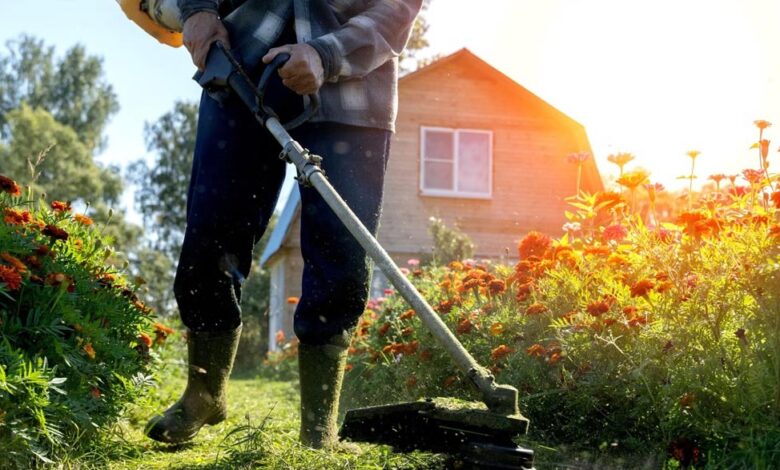
A healthy lawn is often one of the most noticeable features of a well-organized yard. Regular mowing helps maintain a neat appearance, but cutting grass too short can weaken it and make it more vulnerable to environmental stress. The appropriate mowing height depends on the type of grass and growing conditions, so the mower should be adjusted accordingly. Sharp mower blades are also important because clean cuts are less damaging to grass. Watering should be based on the lawn’s actual needs and environmental conditions rather than following the same schedule throughout the year. Property owners should also watch for bare patches, weeds, discoloration, compacted soil, and signs of disease. Addressing these concerns early can help maintain a stronger and more attractive lawn.
Caring for Trees and Shrubs
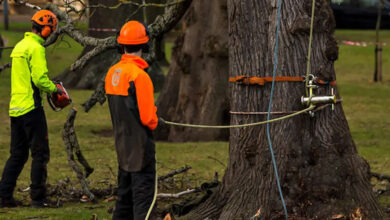
Trees and shrubs provide structure, shade, privacy, and visual interest, making them valuable parts of many yards. Proper care helps these plants remain healthy while preventing damaged or overgrown branches from affecting the appearance of the property. Pruning should be performed carefully, with attention to the natural growth pattern of each plant. Removing dead, damaged, or diseased branches can improve the appearance of trees and shrubs and may reduce potential hazards. Young trees may require additional attention as their root systems become established, while mature trees should be inspected regularly for visible signs of damage or stress. When trees are large or located close to buildings and utility lines, professional assistance may be appropriate. Proper tree and shrub care can make a substantial difference to the overall appearance of an outdoor space.
Managing Water Properly
Water is essential for plant growth, but too much or too little can create problems. Effective landscape maintenance includes providing plants with an appropriate amount of moisture while avoiding unnecessary water waste. Irrigation systems should be checked regularly for leaks, broken sprinkler heads, clogged nozzles, and uneven coverage. Plants should receive water according to their individual needs, soil conditions, and current weather. Watering during suitable times can also reduce evaporation and improve efficiency. Mulch can help retain moisture around plants and reduce the need for frequent watering. By paying attention to soil moisture and plant condition, property owners can avoid relying on an inflexible watering schedule and provide better care throughout changing environmental conditions.
Controlling Weeds Before They Spread
Weeds compete with grass, flowers, shrubs, and other plants for water, sunlight, nutrients, and growing space. If they are ignored, they can spread quickly and make a yard look neglected. Regular inspection makes it easier to identify weeds while they are still small and manageable. Weeds can often be removed manually from planting beds and other suitable areas, while mulch can help reduce the number of new weeds that emerge. Healthy lawns and properly spaced plants can also reduce opportunities for unwanted growth. If weed-control products are necessary, they should be selected carefully and used according to their labels and safety instructions. Preventive care is generally easier than allowing weeds to become established across large areas.
Improving Soil Conditions
Healthy soil provides the foundation for healthy plants. It supplies roots with water, nutrients, oxygen, and physical support, making soil condition an important part of overall yard care. Compacted soil can restrict root development and reduce the movement of air and water, particularly in areas that receive frequent foot traffic. Organic matter can improve certain soil conditions, although the appropriate treatment depends on the existing soil type and the needs of the plants. Soil testing may provide useful information about nutrient levels and other characteristics before amendments or fertilizers are applied. Rather than adding products without understanding the condition of the soil, property owners can use available information to make more appropriate decisions. Improving soil health can support stronger plants and reduce certain recurring problems.
Using Mulch Around Plants
Mulch can be a simple but valuable addition to planting beds. Organic materials such as wood chips, bark, leaves, and compost-based materials can help conserve soil moisture, reduce weed growth, and improve the visual appearance of garden areas. As organic mulch breaks down, it can also contribute organic material to the soil. However, mulch should be applied carefully and should not be piled directly against tree trunks or plant stems. Excessive moisture around the base of plants can contribute to certain problems. Mulch may also need to be replenished when it becomes thin, displaced, or decomposed. When used correctly, it can make routine yard care easier while giving planting beds a cleaner and more finished appearance.
Monitoring Plant Health
Plants should be inspected regularly so that problems can be identified before they become severe. Changes in leaf color, unusual spots, wilting, damaged stems, distorted growth, or premature leaf loss can sometimes indicate environmental stress, pests, disease, watering issues, or nutrient deficiencies. Early observation gives property owners an opportunity to investigate the cause and determine an appropriate response. Different plants have different requirements, so a problem affecting one species may not affect another in the same way. Healthy plants are generally better prepared to tolerate environmental stress, which makes proper watering, pruning, soil care, and nutrition important preventive practices. Regular inspection can also help property owners recognize normal seasonal changes and distinguish them from conditions that may require attention.
Keeping the Yard Clean and Organized
Cleanliness has a major influence on how organized and attractive a yard looks. Leaves, branches, grass clippings, litter, and other debris can accumulate quickly and make even a healthy landscape appear untidy. Regular removal of debris keeps lawns and planting beds cleaner while making it easier to inspect plants. Pathways, patios, decks, retaining walls, fences, and other hardscape features should also be cleaned periodically. Wet organic debris can become slippery, creating a potential safety issue. Drainage areas, gutters, and outdoor water-management features should also be inspected to reduce the possibility of standing water. A clean yard is not only more attractive but also easier to maintain because problems are easier to see when surfaces and planting areas are not covered with debris.
Managing Seasonal Yard Care
Every season creates different maintenance requirements. Spring often brings rapid plant growth, new weeds, and the need to prepare lawns and planting beds for the growing period. Summer can require closer attention to watering, mowing, heat stress, and pest activity. Autumn may involve leaf removal, pruning decisions, and preparation for changing temperatures. Winter can bring concerns involving cold weather, drainage, damaged branches, and protection of sensitive plants. Adjusting maintenance practices according to seasonal conditions helps plants receive the care they need at the appropriate time. Seasonal planning can also reduce last-minute work because property owners can prepare for predictable changes rather than reacting after problems have already developed.
Maintaining Irrigation Equipment
An irrigation system can make watering easier, but it must be maintained to work effectively. Broken sprinkler heads, clogged nozzles, damaged hoses, leaking connections, and malfunctioning timers can cause water to be distributed unevenly. Some areas may receive excessive water while others remain too dry. Checking individual irrigation zones can help identify coverage problems and equipment failures. Automatic systems should also be adjusted when weather and seasonal conditions change because watering requirements are rarely identical throughout the year. Regular inspection can reduce water waste and help ensure that plants receive appropriate moisture. A well-maintained irrigation system can therefore support both plant health and efficient water use.
Protecting Plants From Pests
Pests can damage plants quickly when they are not detected early. Insects may feed on leaves, flowers, roots, or stems, while certain animals can cause damage through feeding, digging, or nesting. Property owners should regularly inspect plants for holes, damaged leaves, unusual residue, distorted growth, and visible insects. Maintaining healthy plants can help them tolerate certain environmental stresses, while removing heavily affected material may sometimes help prevent problems from spreading. Pest-control products should be used carefully and only when appropriate, following label instructions and safety precautions. Identifying the actual pest and understanding the extent of the problem can help avoid unnecessary treatments while supporting a more targeted approach to plant protection.
Caring for Outdoor Structures
A well-organized yard includes more than plants and grass. Fences, patios, walkways, retaining walls, edging, decks, outdoor structures, and decorative features all contribute to the appearance and usability of the property. These areas should be inspected periodically for cracks, loose materials, stains, drainage problems, damaged surfaces, or signs of deterioration. Cleaning hardscape surfaces can prevent dirt and organic debris from building up and affecting their appearance. Small repairs are often easier to address before they develop into larger concerns. Maintaining clear boundaries between lawns, planting beds, and paved areas can also give the property a more organized appearance. Including hardscape features in a regular maintenance routine ensures that the entire yard receives attention.
Choosing the Right Plants
Plant selection can have a significant effect on the amount of work required to maintain a yard. Plants should be selected according to available sunlight, soil conditions, moisture levels, mature size, and other environmental factors. Choosing plants that are suitable for their growing conditions can reduce stress and make long-term care easier. Property owners should also consider how much space each plant will need as it matures. Plants placed too close together may eventually compete for sunlight, water, and nutrients or require frequent pruning. Thoughtful plant selection can therefore support a healthier and more organized landscape while reducing unnecessary maintenance demands.
The Benefits of Professional Support
Some property owners enjoy handling basic yard tasks themselves, while others prefer to hire professionals for more extensive work. Professional landscape maintenance can be useful for properties with large lawns, mature trees, complex irrigation systems, extensive planting areas, or specialized outdoor features. Professionals may help with pruning, lawn care, irrigation inspections, seasonal cleanup, pest management, and other tasks that require experience or specialized equipment. The decision to use professional assistance depends on the size and complexity of the property, available time, equipment, and the owner’s comfort level with different tasks. Combining personal care with professional services can provide a practical solution for maintaining larger or more demanding outdoor spaces.
Creating a Long-Term Care Plan
A long-term plan makes yard care more manageable because it provides a clear framework for recurring tasks and larger projects. Property owners can divide maintenance into daily, weekly, monthly, seasonal, and annual activities depending on the needs of the landscape. Keeping records of major pruning, fertilization, irrigation repairs, planting, and other work can also make future planning easier. A long-term approach helps identify recurring issues and determine whether changes are needed to planting arrangements, drainage, irrigation, or soil management. Instead of treating each problem as an isolated event, property owners can look at the overall condition of the yard and make decisions that support lasting improvement.
Making Maintenance More Sustainable
Sustainable practices can be incorporated into regular yard care without sacrificing appearance. Selecting plants that are well suited to existing environmental conditions can reduce unnecessary water and maintenance requirements. Improving soil health, using mulch, maintaining efficient irrigation systems, and avoiding unnecessary chemical applications can also support responsible outdoor management. Organic material from suitable yard waste may be composted and returned to the soil when appropriate. Efficient watering practices can reduce waste while helping plants receive the moisture they actually need. Sustainable care is ultimately about using resources thoughtfully and choosing methods that support long-term plant health, soil quality, and overall yard performance.
Keeping the Yard Attractive Throughout the Year
A consistently attractive yard does not happen by accident. It is the result of regular observation, timely care, appropriate plant selection, and attention to both small and large details. Landscape maintenance helps coordinate different aspects of outdoor care, from mowing and pruning to irrigation, weed control, cleaning, and seasonal preparation. When these tasks are handled consistently, the yard is less likely to develop serious problems or become difficult to manage. A well-maintained outdoor environment can also provide a more enjoyable space for relaxing, entertaining guests, spending time with family, or simply appreciating the surroundings. The goal is not necessarily to create a perfect yard, but to establish a practical routine that keeps the property healthy, attractive, clean, and functional.
Conclusion
Keeping a yard healthy, attractive, clean, and well organized requires consistent effort and thoughtful planning. Regular mowing, proper watering, pruning, soil improvement, weed control, pest monitoring, seasonal preparation, and hardscape care all contribute to a successful outdoor environment. Effective landscape maintenance allows property owners to address small concerns before they become major problems while preserving the overall appearance and usefulness of the yard. A realistic maintenance schedule also makes outdoor care less stressful because tasks can be completed gradually rather than all at once. Whether the work is performed independently or with professional support, consistency remains one of the most important factors. With proper planning, regular inspections, and appropriate care, a yard can remain healthy, attractive, clean, and enjoyable throughout the year.