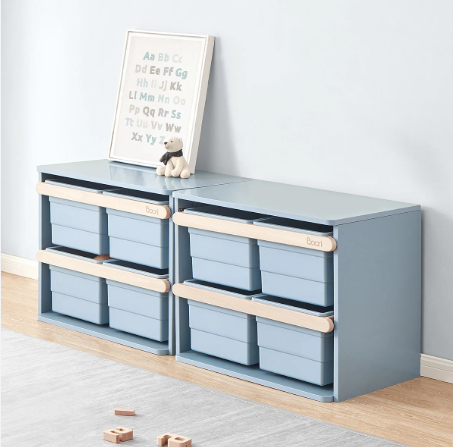

By the end of Term 4, many children’s bedrooms hold a year of school projects, outgrown clothes and toys that have not been played with in months. The break is a perfect time to clear out and reorganise, but only if the storage suits the child. If you are planning kids’ room storage, this guide offers a simple step-by-step approach that keeps the system working after school goes back.
Start With a Clear-Out
How do I begin without overwhelming myself?
Choose one area at a time, such as the wardrobe, the toy shelf or the desk, and set a timer for an hour. Sort items into keep, donate, recycle and rubbish.
How do I get children to let go of things?
Give them a say. Let them choose a few favourites to keep in each category, and explain where donated items will go. Avoid sorting without them, as that can lead to upset.
What should I do with school work?
Keep a small number of pieces that show progress or favourite projects in a box or folder. Photograph the rest and recycle the paper.
Match Storage to How Your Child Plays
What type of storage works for young children?
Open, low boxes and baskets that a child can reach and tip out easily. Tidy-up needs to be quick, or it will not happen.
What about older children?
Shelves, drawers and labelled boxes help, along with hooks for bags and uniforms. Older children can manage a more detailed system.
How do I deal with small toys?
Use lidded containers sorted by type. Keep tiny pieces for older children and separate them from toys for younger siblings.
Should I use vertical space?
Yes. Wall shelves and tall units free up floor space, but tall furniture should be anchored to the wall.
Safety in Storage
How do I keep storage safe?
Product Safety Australia advises anchoring tall or top-heavy furniture to the wall, because a child who climbs on drawers or shelves can tip a unit over. Use the fixings the maker supplies or recommends for your wall type.
What about toy boxes?
Choose a lightweight lid or one with a safe-closing hinge, or go lidless. A heavy lid can fall on small hands.
How do I keep small items away from babies and toddlers?
Store small parts in high or closed containers, and keep older children’s items separate from those of younger siblings.
Building Habits That Last
How do I keep the room tidy after the holidays?
Use a five-minute tidy at the end of each day, and a weekly reset on the weekend. Simple, consistent routines work better than occasional big clean-ups.
What if the room is shared?
Give each child their own box or shelf, and a shared space for communal items. Fairness reduces disputes.
Use zones to keep the room manageable.
| Zone | Storage Idea | Tip |
| Toys | Low baskets or boxes | Rotate every few weeks |
| Books | Shelf at child height | Anchor tall shelves |
| Clothes | Drawers and hooks | Keep everyday items low |
| School items | Hooks and a shelf | Same spot each day |
| Keepsakes | One lidded box per child | Review once a year |
Ideas for Different Spaces
How can I use a small bedroom well?
Go vertical with wall shelves, use the space under the bed and choose furniture with built-in storage. Keep the floor as clear as possible so the room feels bigger.
What storage works in a shared room?
Give each child their own drawer, box or shelf, plus a shared space for common items. Labels in different colours help children find their own things.
How should I organise a wardrobe?
Hang school uniforms at the child’s height, store everyday items in low drawers and keep out-of-season clothes in a box at the top. Check sizes at the start of each season.
Is it worth buying storage that grows with the child?
Yes. Adjustable shelves and simple boxes can change as interests shift from toys to books, craft and hobbies, so you do not need to replace the system every couple of years.
How do I handle sports gear and bulky items?
Use a large basket or crate near the door and a few strong hooks. If an item has no home, it ends up on the floor, so give each one a place.
What if my child resists tidying?
Make it quick and visual, with open boxes and pictures on labels. Tidy together at first and praise the effort, so tidying becomes a routine rather than a battle.
Frequently Asked Questions
How often should I clear out the room?
Twice a year is usual, such as the end of Term 4 and mid-year. Birthdays and Christmas often bring a new wave of items.
Where should donated items go?
Local charities, school fetes or community groups often accept good-condition toys and clothes.
Is under-bed storage useful?
Yes, for out-of-season clothes and bedding. Make sure boxes are easy to pull out and do not block air under the bed.
How do I label storage for children who cannot read?
Use pictures or colours, which children can match easily.
Final Thoughts
The best storage is simple, safe and set up for the way your child actually uses the room. You can explore kids’ room storage.