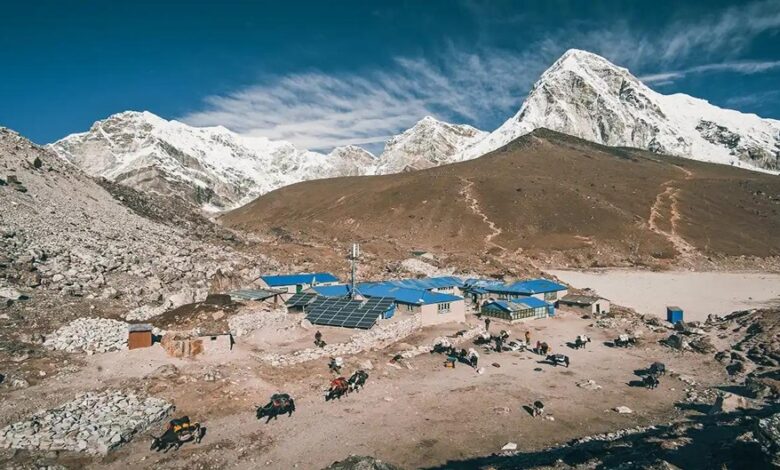
Everest Base Camp Trek vs. 7-Day Annapurna Base Camp Trek: The key differences:

When it comes to picking a Himalayan trek, there’s more to it than just picking which mountains you want to see. The amount of time, physical exertion, budget, and the nature of the scenery all have an impact on the experience. Understanding how the Everest Base Camp Trek compares with the 7 Days Annapurna Base Camp Trek can help you choose the journey that best suits your schedule, interests, and trekking goals.
Both routes are a wonderful journey through the amazing landscape of Nepal’s mountains, but they are different. The Everest trail winds through the traditional villages of the Khumbu region and the Annapurna trail winds through the forested valleys and mountain villages to an amazing natural sanctuary.
Two Different Ways to Explore Nepal’s Himalayas
The Everest region is famous for its rugged landscape, Sherpa people, and Buddhist monasteries. The trail winds through villages like Namche Bazaar and Tengboche, leading up to the high-altitude terrain surrounding Mount Everest.
The Annapurna region is a contrasting place. From Pokhara, trekkers pass through traditional villages, through the forests and river valleys, and into the Annapurna Sanctuary, where towering Himalayan peaks surround the base camp.
Both routes are good for the mountains. The only difference is the route, as Everest offers a longer trek and Annapurna offers a shorter route to a dramatic mountain destination.
How the Two Trekking Routes Differ
Nepal High Trek’s standard Everest trek package lasts 14 days. It covers the arrival in Kathmandu, a flight to Lukla, and a gradual hike through the mountain villages up to the EBC. Trekkers can also hike up to Kala Patthar for high-level vistas of the surrounding peaks.
The 7-days Annapurna Base Camp itinerary begins and ends in Pokhara, with a route through mountain villages to Annapurna Base Camp. It goes through villages like Ghandruk and Upper Sinuwa and then through the forest to reach Machhapuchhre Base Camp and Annapurna Base Camp.
Everest features towering peaks and Khumbu villages, while Annapurna offers forest trails, traditional villages, and beautiful mountain views.
Trek Duration and Daily Walking Demands
One of the factors to take into account when making plans for either trip is time.
The typical Everest trek lasts about two weeks, including the approach, high altitude trekking and the descent. When booking their holiday, travellers should also take into account any potential flight delays.
Although the trek takes just seven days, the consecutive walking days can make it physically demanding. Your fitness, hiking experience, and ability to recover between days will influence how manageable the journey feels. If you’re looking for a more leisurely trip, you may want to think about a longer one.
Altitude and the Challenges of High-Altitude Trekking
One of the biggest disparities between these two spots is the altitude.
The height of Annapurna Base Camp is 4130 m above sea level. It requires some uphill, stone steps, descents, and changes of terrain to reach it as the trail enters the sanctuary.
The Everest route leads to Everest Base Camp Trek at 5364 metres, and Kala Patthar is 5545 metres high. Proper acclimatization and a steady pace are essential at higher elevations. Even good physical fitness cannot remove the risk of altitude sickness.
Trekkers should listen to their guide, pay attention to their symptoms, and not ignore any signs or symptoms of illness, including headaches, nausea, dizziness, or unusual fatigue. If symptoms get worse, it’s important to act quickly, and a descent might be needed.
Is a Seven-Day Annapurna Trek Suitable for You?
Nepal High Trek offers a 7-days package to Annapurna Base Camp. It is up to you to decide if this is suitable based on your fitness, hiking experience, and comfort with several consecutive days of hiking.
Planning ahead can make things easier. The regular hikes, walks up and down the hills, stair climbing, and endurance training build stamina for walking on uneven surfaces and for extended periods of climbing.
Recovery is also a crucial factor to take into account. Fatigue may develop over a number of days, especially at high altitudes. If you are new to trekking, you should carefully review the schedule and consult with a knowledgeable trekking professional if you have any concerns.
The aim should be to get to the destination safely and not to rush to it in a specific time limit.
Local Culture and Mountain Communities
Both trekking routes are enriched with cultural experiences.
Sherpa people and Buddhism are closely related to the Everest region. Tengboche Monastery reflects local culture, while the trail reveals daily life in the Khumbu.
The Annapurna trek is also a different experience, with Ghandruk being a community with a Gurung heritage. The trek offers a glimpse into mountain life through traditional homes, local customs, and warm hospitality.
Be respectful to the local customs during the hike. Do not take photos of residents without permission, respect religious sites, and respect villages as living communities, not just pretty places.
Best Seasons for Your Himalayan Adventure
Nepal High Trek’s published information suggests that both routes are best trekking seasons in Nepal during the spring and autumn months.
The Annapurna trail offers the opportunity for rhododendron flowers in the spring on the forested parts of the trail. Fall is another popular time to see the mountains and hike. Weather can change quickly at higher altitudes. Weather conditions can impact plans with cold nights, rain, snow, and poor visibility. Review weather conditions before leaving and pack for varying weather conditions.
Keep some extra time in your itinerary for flight delays to Everest. If you need to travel, adding extra time to your schedule can help lessen stress if your travel is delayed.
Comparing Trekking Costs
The cost of each trek depends on the chosen route, group size, included services, and personal expenses.
Nepal High Trek quotes a price of $525 per person for a seven-day Annapurna trek for a solo traveller, $485 for two to seven, and $450 for 8 to 15 persons.
It offers a standard Everest package of 14 days for $1,499, and $1,399 per person for groups of two to seven. These are the published package rates, which may vary; please check the current rate before booking.
Review the contents of each package, especially meals, accommodation, permits, transportation, guide services and porter services. This cost can be further increased by travel insurance, tips, personal purchases and unexpected delays.
Overall, the Annapurna package is less expensive, and the Everest package is more expensive and longer.
Accommodation and Meals Along the Trail
Accommodation for both treks is available at local teahouses and lodges. They provide resting, feeding, and recuperation areas when walking through mountain areas.
The facilities are different in different places and can be simpler at high altitudes or during peak trekking seasons. Foods may be local foods and familiar foods as available. Make sure you have checked your package for accommodation and meal packages before you leave. Bring necessary personal gear and have warm clothes on hand to change with the weather.
Preparing for a Safe and Enjoyable Trek
Preparation begins long before coming to Nepal. Practice walking for endurance, walk on uphill surfaces and make sure your trekking boots fit properly.
Bring multi-layered clothing, waterproof gear, warm items, a headlamp and an appropriate daypack. There may be significant differences between lower valleys and high mountain areas.
Talk to your trekking company about the dangers of altitude sickness, insurance policies and emergency plans. Do what your guide suggests, pay attention to your body and never put up with the discomfort because you want to keep going.
While preparation may not eliminate all the challenges, it will make you more confident in your ability to cope with changes.
Which Trek Matches Your Travel Goals?
This 7-day Annapurna trek is perfect for those who have a tight schedule for their vacations and wish to enjoy a base camp in the Himalayas, mountain villages and spectacular views. It’s a tight schedule that’s appealing, but it’s not without some preparation and may be difficult to follow back-to-back days of walking.
The typical Everest trek is more for those willing to spend about two weeks on a longer journey. It provides a longer trek in the Khumbu region, and some of the most familiar high-altitude scenery in Nepal.
Before deciding, take into account the amount of time you have, your budget, your experience in the mountains, and how well you can tolerate altitude. The optimal route is the one that best meets your capabilities and expectations.
Final Thoughts
Everest and Annapurna are two different routes to explore Nepal’s Himalayas. The first passes a longer route through the Khumbu to the base of Mount Everest; the other passes through forests, villages, and mountain valleys into the Annapurna sanctuary.
The Annapurna trek is suitable for those with a shorter time frame, but if you have just one week, it might be better to go on the Annapurna trek. For those with longer time to spend and a quest for a longer high-altitude trek, the Everest route is another kind of adventure.
Check the updated tour plan, tour cost, and tour inclusions before booking the tour in Nepal High Trek. With realistic expectations and proper preparation, either of the treks can be an unforgettable Himalayan experience.
We’re Nepal High Trek And Expedition Pvt. Ltd., based in Kathmandu, specializing in treks, climbs, and more for solo travelers and private groups.
Contact us at info@nepalhightrek.com or WhatsApp +977 9851142116.