
Small plumbing issues have a habit of turning into big, disruptive problems at the worst possible moment. A faucet drip, a temperamental toilet, or a mysterious stain on the ceiling might seem easy to put off, but these are often early warnings of leaks, corrosion, or hidden failures. Knowing what to watch for and what to do first can prevent water damage, protect indoor air quality, and save time and stress. This guide walks through the most common red flags, immediate steps you can take, and smart ways to keep your system healthy year-round.
If you live in an area with older homes, clay or cast-iron sewer lines, or shifting soil, you may see certain issues more frequently. Local plumbing pages, such as https://callthechamps.com/plumbing-services-in-nichols-hills/, can help you understand regional concerns like mineral-heavy water, root intrusion, or freeze-thaw impacts. Even if your home is newer, plumbing systems still need occasional attention to stay reliable.
Early Warning Signs of Trouble
Unusual sounds: Gurgling drains, whistling at fixtures, or banging pipes (water hammer) signal trapped air, partial blockages, or pressure issues. Water hammer arrestors, pressure checks, and vent inspections can prevent pipe stress and joint failure.
Persistent odors: A rotten-egg smell may indicate a water heater anode reaction, while sewer-like odors suggest a dry P-trap, a damaged vent, or a leak in a drain line. Try running water in seldom-used fixtures to refill traps; if smells persist, it’s time to investigate vents and waste lines.
Moisture You Can’t Explain
Stains and bubbling paint: Yellow or brown ceiling spots, peeling wall paint, or cupped baseboards often point to slow leaks behind surfaces. Mark the edges of a stain with a pencil and recheck in 24 hours; any growth requires swift action. Turn off the nearest fixture or supply valve and document the area before opening drywall.
Warm floors or constantly running meter: Slab leaks can radiate heat through flooring and cause your water meter to spin even when no fixtures are in use. To test, ensure all taps are off, then observe the meter; movement suggests a hidden leak that should be addressed promptly to avoid structural damage.
Drainage and Sewer Clues
Slow drains at multiple fixtures: If more than one drain gurgles or backs up, the main line may be obstructed by grease buildup, scale, or tree roots. Avoid chemical drain cleaners; they can damage pipes and are often ineffective against solid obstructions. A mechanical auger or a professional hydro-jetting service is safer and more thorough.
Toilet troubles: Frequent clogs, ghost flushing, or water around the base point to different issues. Ghost flushing can be caused by a failing flapper; water at the base might be a wax ring leak. Replacing a flapper is a simple fix, but recurring clogs or multiple affected toilets warrant a deeper look at the venting and main line.
Water Pressure and Water Quality
Pressure that’s too high or too low: Excessive pressure strains valves and appliances, while low pressure can make showers and filling cycles frustrating. Check with a simple gauge at an outdoor spigot. Readings above roughly 80 psi risk damage; a pressure-reducing valve can stabilize the system. If only one fixture is affected, mineral buildup in aerators or cartridges may be the culprit.
Discoloration and taste changes: Brown or yellow water may indicate sediment, pipe corrosion, or municipal disturbances. Run cold water for a few minutes to see if it clears; persistent discoloration merits inspection. If your area has mineral-heavy water, scale can shorten the life of heaters, dishwashers, and ice makers. Consider regular descaling or, where appropriate, installing a whole-home conditioning solution to reduce buildup.
Seasonal Risks and Preventive Steps
Freeze protection: Uninsulated pipes in attics, crawl spaces, and exterior walls are vulnerable during cold snaps. Insulate exposed lines, disconnect outdoor hoses, and use insulating covers on hose bibs. During extreme cold, a slow drip at vulnerable fixtures can keep water moving and reduce freeze risk.
Storm readiness: Heavy rains can overload drainage systems and reveal grading problems around your foundation. Clear gutter downspouts, confirm sump pumps operate correctly, and install a battery or water-powered backup to keep water moving during outages. For homes with basement laundry or bathrooms, a backwater valve can prevent sewage from flowing the wrong way during surges.
Smart Maintenance That Pays Off
Water heater care: Drain a few gallons from the tank annually to remove sediment that reduces efficiency and shortens lifespan. While draining, listen for popping or rumbling which often signals sediment. Check for a wetted pan or rust on fittings, both of which can indicate slow leaks.
Valve checks and fixture refresh: Locate and exercise shutoff valves for sinks, toilets, appliances, and the main supply twice a year so they don’t seize. Replace worn supply lines with braided stainless-steel versions, and refresh faucet cartridges and toilet flappers when performance slips. Small parts can prevent big leaks.
When to DIY and When to Call a Pro
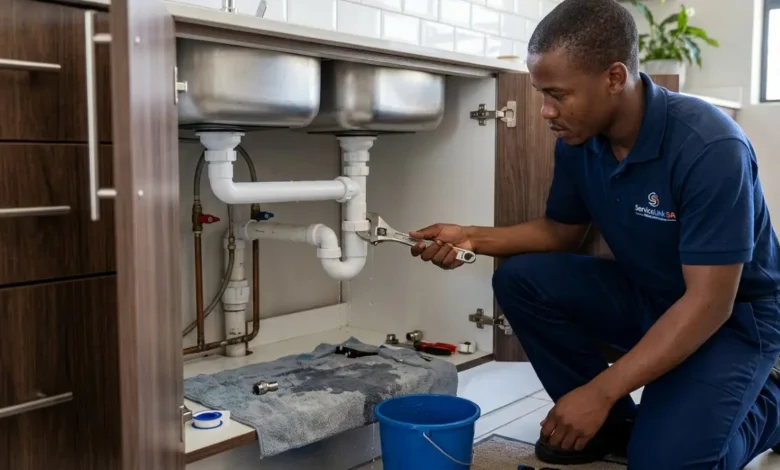
Reasonable DIY: Clearing a simple P-trap clog, replacing a faucet aerator, swapping a toilet flapper, or cleaning shower cartridges are safe, common tasks for many homeowners. Always shut off water at the fixture and protect the area with towels or a bucket.
Call a professional: Gas line work, slab leaks, main sewer obstructions, recurring backups, unexplained water loss, and any leak inside walls or ceilings require specialized tools and experience. Pros can perform camera inspections, pressure tests, and noninvasive leak detection to pinpoint problems and prevent repeat damage.
How to Vet a Plumber Before You Schedule
Look for clear communication: A reliable provider explains the diagnostic approach, outlines possible scenarios and costs before work begins, and offers options when appropriate. Transparent estimates and a defined scope of work reduce surprises.
Ask about diagnostic methods: For persistent or hidden issues, ask whether they can perform camera inspections for drains, pressure assessments, meter tests for leaks, or thermal imaging for moisture behind walls. Good diagnostics prevent unnecessary wall cuts and help fix the root cause instead of symptoms.
Build a Simple Home Plumbing Checklist
Create a seasonal routine: Twice a year, walk your home with a notepad. Open sink cabinets and feel for moisture, inspect ceilings under bathrooms, test GFCI outlets near water sources, and listen to your water heater. Note any changes in pressure or drain speed. This five-minute habit catches problems early.
Document and label: Label the main shutoff valve and take photos of key plumbing areas, including shutoff locations for toilets, sinks, and the water heater. Keep appliance manuals and warranty info in one folder. In an emergency, quick access to this information can prevent damage and speed repairs.
Plumbing systems rarely fail without warning. By learning the sounds, smells, and small visual cues that signal trouble, you can act before minor issues become emergencies. Pair that awareness with simple maintenance habits insulating vulnerable pipes, exercising shutoff valves, and scheduling timely diagnostics and your home’s plumbing will serve you more reliably, season after season.