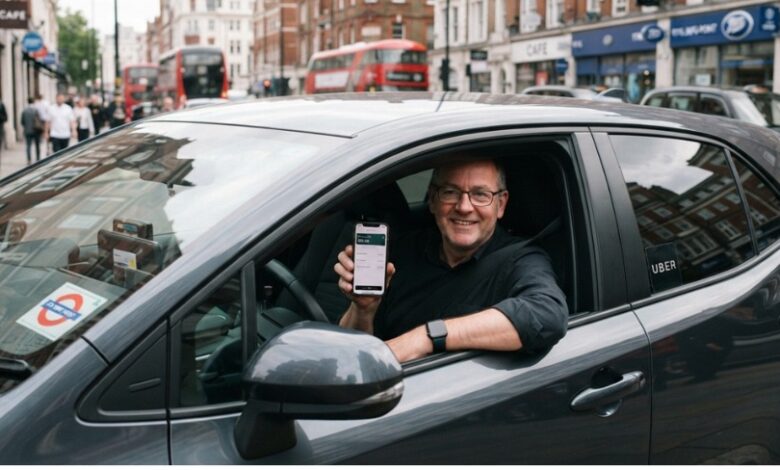

If you are considering private hire driving in London, one question probably comes first: how much can you realistically earn? The answer is not a single figure. A driver’s income depends on hours worked, local demand, the types of bookings accepted, and the costs of keeping a licensed vehicle on the road. No reliable single UK-wide earnings figure applies to every private hire driver. Some drivers work part-time, while others work full-time through licensed operators or app-based platforms, and their gross earnings can differ substantially before fuel, insurance, vehicle and tax costs.
For anyone researching the average private hire driver salary in the UK, remember that published salary figures are only benchmarks and may not reflect actual take-home earnings. Private hire drivers can be self-employed, work part-time or operate through an established operator, so earnings can vary considerably.
What Does a Private Hire Driver Earn?
Private hire drivers earn money through passenger fares, with income depending on the platform, journeys, location, demand, vehicle costs, and operating arrangements. Because many are self-employed, earnings vary widely, often higher during busy periods and lower when quiet.
The National Careers Service currently lists a taxi driver salary range of £20,000 for starters to £35,000 for experienced drivers. However, this should be treated as a broad career benchmark rather than a guaranteed private hire driver income. The same source notes that earnings can vary according to hours worked and shift times, location, journey length and type, local competition, and whether the driver is employed or self-employed.
These earnings need to be considered alongside the costs of working as a private hire driver. Driver earnings are reduced by expenses like fuel, insurance, taxes, and platform fees. Hourly pay varies daily, especially in London, based on demand from airports, events, and commuters. Earnings depend on when, where, and how often you work, as well as passenger demand and platform prices. This means private hire driver pay per hour can fluctuate significantly depending on demand, location, working hours, and operating costs.
For this reason, looking at hourly earnings without considering the timing can be misleading.
How Much Do Uber Drivers Earn in the UK?
Uber driving is one example of private hire work, so its earnings can help illustrate how income can vary within the wider PHV sector. There is no universal amount that applies to every Uber driver. Earnings can vary based on factors such as location, working frequency, completed trips and periods of high demand.
This is also why Uber vs taxi driver earnings can differ. Private hire drivers generally rely on pre-booked journeys through a licensed operator, while licensed taxi drivers can also pick up passengers at ranks or through street hails. Working arrangements, booking patterns, vehicle costs and local demand can all affect the amount a driver keeps after expenses.
The driver’s vehicle arrangement can also affect net income. Some private hire drivers own their vehicles, while others rent vehicles or work under arrangements with operators. These choices can significantly affect the costs associated with each journey and the amount left after expenses.
What Affects Private Hire Driver Earnings?
Several factors can influence what a driver earns in a typical week. Understanding these can help new drivers make better decisions about their working schedule.
· Working Hours
More hours do not automatically mean more profitable hours. A driver who spends a long period waiting for bookings may generate less revenue than someone who works shorter shifts during strong demand.
Zego identifies weekday commuter periods and busy weekend evenings as potentially valuable periods for private hire drivers. Airport journeys can also create opportunities, particularly during early-morning travel periods.
· Location
Location strongly influences passenger demand. London has a large private hire market, supported by commuters, tourists, business travellers and airport passengers. However, competition can also be high. Sitting in a busy area does not guarantee a booking, so drivers need to consider the likelihood of obtaining another fare after completing a journey.
· Vehicle Choice
The vehicle you drive affects your running costs. A fuel-efficient hybrid can reduce petrol costs for drivers covering substantial mileage, while an electric vehicle may save drivers with practical access to affordable charging. The right choice depends on purchase price, finance, insurance, charging or fuel arrangements and licensing requirements.
· Platform and Operator
Private hire drivers can work through licensed operators, including app-based services. The exact payment structure, commission arrangements and booking volumes vary between operators. Uber says its UK driver earnings are affected by standard trip payments, demand-based pricing, minimum trip earnings and cancellation payments.
What Costs Reduce Your Earnings?
Gross fares can look attractive until you factor in operating costs. Drivers need to understand these expenses before deciding how profitable private hire work will be.
· Insurance Costs
Private hire driver insurance costs in the UK can be a major expense. Standard social, domestic, and commuting motor insurance doesn’t automatically cover carrying paying passengers. GOV.UK states that vehicles used as taxis or private hire vehicles require appropriate licensing and insurance covering public or private taxi hire.
The price of private hire insurance varies based on factors such as the driver’s circumstances, location, vehicle, driving history, and level of cover. It is therefore better to obtain an individual quotation than rely on a single industry-wide figure.
· Fuel and Charging
Fuel can become a major expense for drivers covering high annual mileage. This cost matters especially when calculating earnings per working hour. Drivers should track mileage and fuel spending rather than relying on estimates. This makes it easier to identify which journeys and working patterns are genuinely profitable.
· Vehicle Costs
Servicing, tyres, MOT-related expenses, repairs, depreciation and finance can all reduce earnings. A vehicle that spends more time in the garage can also reduce working income.
· Licensing and Compliance
Private hire drivers need the appropriate driver and vehicle licensing arrangements. GOV.UK states that the relevant local authority handles licensing outside London, and Transport for London handles it in London. Licensing rules differ across the UK, so drivers in Scotland and Northern Ireland should check the requirements that apply in their respective jurisdictions.
London also has specific requirements for private hire vehicles, so drivers should check current TfL rules before starting work.
A Simple Earnings Breakdown
| Factor | Effect on income |
| Peak demand | Can increase booking opportunities. |
| Quiet periods | May reduce hourly revenue. |
| Airport journeys | Can provide longer, higher-value bookings. |
| Fuel efficiency | Can reduce operating costs. |
| Insurance | A significant fixed or recurring expense. |
| Vehicle maintenance | Reduces net profit when costs rise. |
| More permitted booking opportunities | May help reduce idle time. |
| Customer service | Can support ratings and repeat business. |
The important point is that earnings should always be considered alongside expenses. A driver earning £800 in fares does not necessarily have £800 available as personal income.
How to Increase Earnings as a Private Hire Driver
If you’re looking to boost your earnings as a private hire driver, begin by analysing your own working habits.
· Work Around Passenger Demand
Review your previous bookings and identify the periods that generate the most revenue. Busy commuter periods, airport movements, and weekend evening demand can provide useful opportunities.
· Reduce Empty Mileage
Driving without a passenger costs fuel without producing revenue. Planning where you finish a journey can help reduce unnecessary repositioning. For example, after completing an airport booking, consider where demand is likely to be strongest before deciding where to wait for another job.
· Keep the Vehicle Efficient
Regular servicing, correct tyre pressures and sensible driving can help control running costs. A reduction in fuel use has the same practical benefit as an increase in revenue because more of your existing income remains available.
· Build Repeat Customers
Professional service can encourage passengers to use the same licensed operator again for future pre-booked journeys. Reliability, punctuality, cleanliness and polite communication can all contribute to a stronger customer experience.
· Consider Complementary Work
Some drivers use quieter periods for permitted delivery work or other driving services. Zego notes that food delivery can help drivers use periods of weaker passenger demand more productively. However, drivers should always confirm that their insurance and licensing arrangements cover the additional activity.
Calculate Your Net Earnings
A sustainable private hire business needs a broad view beyond headline fare. Budget for tax, repairs and other expenses, and track your mileage, fuel, insurance and vehicle costs. Review net earnings monthly. Knowing the cost of each mile helps drivers choose profitable bookings and shifts.
For passengers, the other side of a well-planned airport journey is having reliable transport arranged in advance. Swift Airport Transfer can help them arrange reliable London airport journeys when advance booking and dependable collection matter. If you are planning an airport journey, our airport taxi service offers a convenient way to reach the terminal without relying on last-minute transport.
FAQs
1. Is Private Hire Driving A Good Career In The UK?
It can suit people who value flexible working and enjoy driving, but income varies significantly. Drivers should consider vehicle, insurance, licensing, fuel, and tax costs before assessing profitability.
2. Can Private Hire Drivers Earn More In London?
London has strong passenger demand, but it also has significant competition and specific licensing requirements. Earnings depend on demand, working patterns, vehicle costs, and the types of bookings completed.
3. Do Private Hire Drivers Get Paid A Fixed Salary?
Not necessarily. Many private hire drivers are self-employed and earn through completed bookings rather than receiving a traditional fixed salary. Employment and payment arrangements depend on the operator or platform.
4. Is Uber Driving Profitable In The UK?
It can be, but profitability depends on gross earnings and operating costs. You need to deduct fuel, insurance, vehicle expenses, and other costs before assessing actual take-home income.
5. What Is The Best Way To Increase Private Hire Earnings?
Start by identifying your most profitable working periods, reducing empty mileage and controlling vehicle costs. Providing reliable customer service can also help create repeat business.
Conclusive Thoughts
Private hire driving can offer a flexible way to earn income in the UK, but the headline fare figure tells only part of the story. Although the term average private hire driver salary in the UK is commonly used when researching the profession, actual earnings vary considerably by location, demand, working hours, vehicle costs, and operating arrangements.
For passengers travelling to or from London airports, Swift Airport Transfer provides pre-booked transport arranged around the planned journey. If Southend Airport is part of the itinerary, Southend Airport taxi transfers can be booked in advance, giving passengers a convenient way to arrange their airport transport before travel.