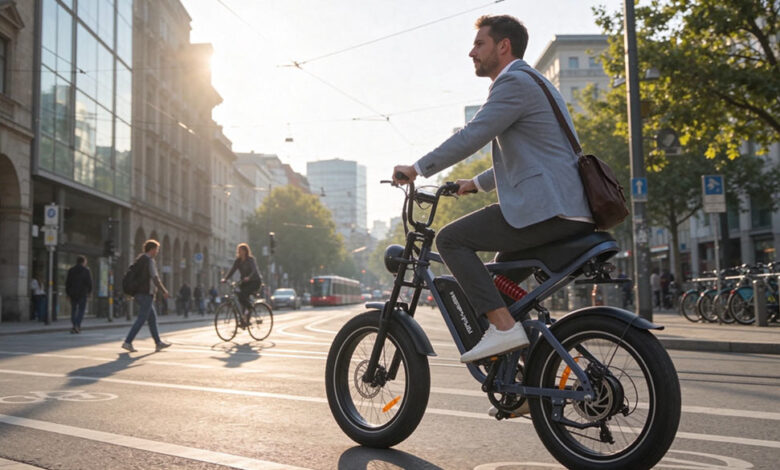

Long commutes, heavy traffic, rising fuel costs, and crowded public transportation can make getting to work frustrating. The Best Electric Bike offers a convenient alternative, helping you travel everyday distances with less physical effort while enjoying more flexibility. So, how do you choose the best electric bike for commuting? This guide covers the most important features to consider, different e-bike styles, and practical tips to help you find a model that fits your daily routine.
Which Type of Electric Bike Is Best for Commuting?
Electric bikes come in different designs, and each serves a slightly different purpose. Understanding these differences can help narrow down your options.
Fat Tire Electric Bikes
Best for mixed road conditions. Fat tire e-bikes feature wider tires that provide additional cushioning and stability on uneven surfaces.
They can be a good choice for riders whose routes include rough pavement, gravel roads, or occasional unpaved sections. However, their larger tires and heavier construction may make them less convenient if portability is a major priority.
Moped-Style and Motorcycle-Inspired E-Bikes
Best for riders who prefer a comfortable, substantial design with a distinctive look. Moped-style electric bikes feature motorcycle-inspired frames, wider seats, and often fat tires. Compared with traditional city e-bikes, they offer a more substantial riding feel and can be a good option for commuters who prioritize comfort, stability, and style.
For those looking for a more affordable motorcycle-inspired option, exploring a cheap electric motorcycle can also be worthwhile.
Folding Electric Bikes
Best for commuters with limited storage space. Folding e-bikes are designed to fit into smaller storage areas. They can be particularly useful for apartment residents or people who combine cycling with public transportation. Their compact design is convenient, although you should still check the bike’s folded dimensions and weight before purchasing.
How to Choose the Best Electric Bike for Commuting?
Choosing the right electric bike isn’t just about getting the biggest motor or longest advertised range. You need a model that fits your route, riding habits, and daily transportation needs.
Battery Capacity and Riding Range
Battery capacity is especially important if you commute several miles each day or need a longer riding range. For regular commuting, a 48V 15Ah–20Ah battery can be a practical starting point, while riders who travel longer distances may benefit from a larger 20Ah–30Ah battery or a dual-battery system.
Motor Power and Riding Performance
Motor power affects acceleration and how easily an electric bike handles different riding conditions.
Consider your typical commute:
- Flat city streets: A 250W–500W rated motor is generally sufficient for everyday commuting on relatively flat roads.
- Hilly roads: A 500W–750W rated motor can provide stronger assistance when climbing hills.
- Frequent stops: A 500W–750W motor can offer more responsive acceleration when starting from intersections.
- Longer commutes: A 500W–750W motor can provide a useful balance of power and riding performance, especially when paired with a larger battery.
Higher motor power doesn’t automatically mean a better commuter bike. More powerful models may be heavier or fall outside your area’s legal e-bike classification. Always check local regulations before purchasing.
Tire Size and Road Conditions
Tires affect stability, comfort, traction, and handling. Narrower urban tires are often suitable for smooth pavement, while wider tires can provide extra cushioning on rough or mixed surfaces. Fat tire electric bikes are another option for commuters who regularly encounter loose gravel, uneven pavement, or other challenging road conditions.
Braking System and Safety Features
A dependable braking system is essential for commuting, especially because e-bikes can be heavier and faster than conventional bicycles. Hydraulic disc brakes provide strong, responsive braking with less hand effort. Mechanical disc brakes can also be suitable, depending on the bike’s design and component quality.
Other useful safety features include:
- Bright front and rear lights
- Reflectors for low-light visibility
- A horn or bell
- Tires with suitable road grip
- A sturdy frame and reliable components
Battery safety matters, too. Look for appropriate third-party electrical safety certification, such as UL 2849, and always use the manufacturer’s approved charger.
Recommended Fat tire and Moped-Style E-Bike: HappyRun G60 Series
If you want a moped-style electric bike that combines everyday comfort with practical performance, the HappyRun G60 Series is worth considering. It includes two models to suit different budgets and riding preferences.
HappyRun G60
The HappyRun G60 is a budget-friendly option for riders who want a comfortable moped-style e-bike without spending too much. Combined with hydraulic disc brakes and an extended seat, the G60 offers a practical setup for riders who value comfort and versatility.
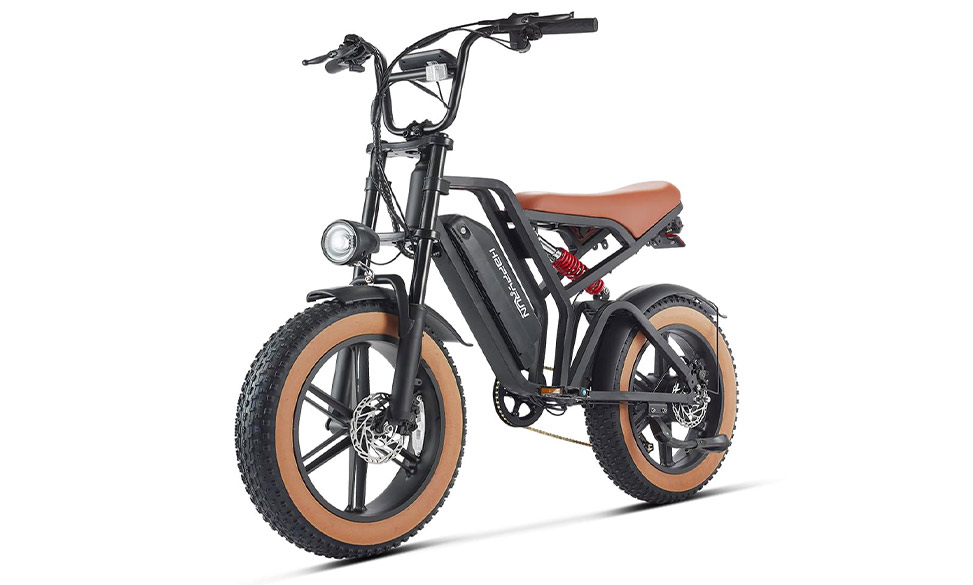
Key Specifications:
- Motor: 500W rated power
- Battery: Removable 48V 13Ah battery
- Range: Up to 68 miles
- Tires: 20 × 4-inch fat tires
- Suspension: Front and rear suspension
- Brakes: Hydraulic disc brakes
- Top Speed: 20 mph
- Payload Capacity: 330 lbs
- Certification: UL 2849
HappyRun G60 Pro
The HappyRun G60 Pro builds on the G60 platform with higher motor output and a larger battery. Additional features such as NFC unlocking and front and rear turn signals add convenience and visibility for everyday use.
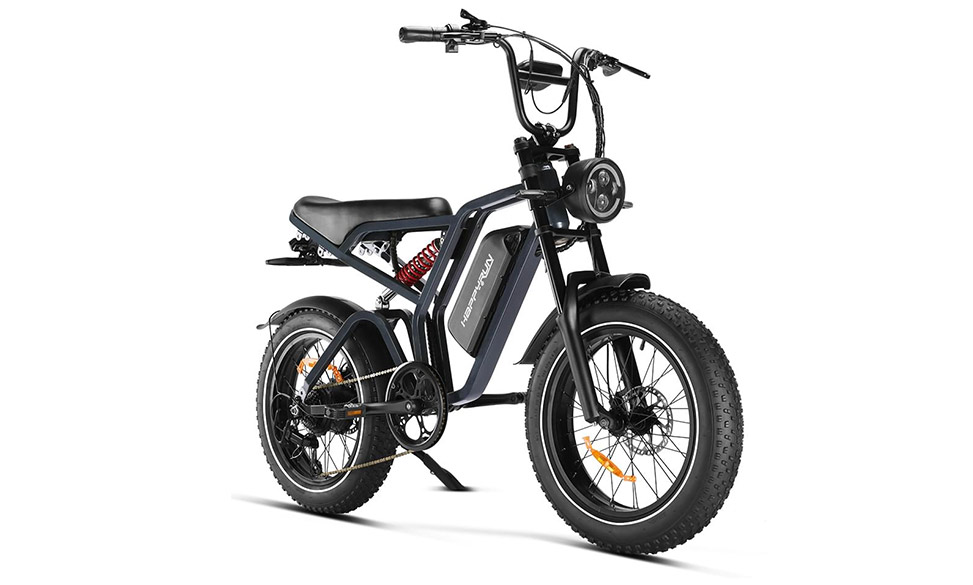
Key Specifications:
- Motor: 750W rated power
- Battery: 48V 18.2Ah battery
- Range: 70+ miles
- Tires: 20 × 4-inch fat tires
- Suspension: Front and rear suspension
- Brakes: Hydraulic disc brakes
- Top Speed: 20 mph
- Payload Capacity: 330 lbs
- Additional Features: NFC unlocking and front and rear turn signals
- Certification: UL 2849
The G60 is a more budget-friendly choice, while the G60 Pro offers higher motor output, a larger battery, and additional convenience features. If you’re also exploring electric dirt bikes for adults, HappyRun offers other models designed for off-road riding. Before using either G60 model for commuting, check local e-bike regulations to make sure it is permitted on your intended route.
5 Practical Tips for a Best Electric Bike for Daily Commute
Choosing the right bike is only part of the equation. A few simple habits can make your daily commute safer and more convenient.
- Plan Your Route in Advance
Choose roads with suitable bike lanes, less traffic, and safer intersections whenever possible. A slightly longer route may provide a more comfortable riding experience.
- Check Your Battery Before Leaving
Make sure you have enough charge for your round trip. If your commute is longer, consider charging the battery at work if permitted.
- Wear a Proper Helmet
Always wear a properly fitted helmet. Use lights and reflective clothing when riding in low-light conditions.
- Carry a Reliable Lock
A quality bike lock helps protect your investment when parking outside your workplace or visiting other locations.
- Perform Basic Maintenance
Check tire pressure, brakes, lights, and battery condition regularly. Keeping these components in good condition helps reduce unexpected problems during your commute.
Conclusion
The best electric bike for commuting isn’t necessarily the fastest or most powerful model. It’s the one that makes your daily journey easier, more comfortable, and more convenient. Before making a decision, consider your typical commuting distance, battery needs, motor performance, riding comfort, tire design, braking system, and budget. Also, make sure the bike meets the regulations where you plan to ride.
Frequently Asked Questions
How Far Can the Best Electric Bike Travel on One Charge?
The range varies depending on battery capacity, rider weight, terrain, speed, and assistance level. Some e-bikes can cover around 20–40 miles, while models with larger batteries may offer considerably more. Always compare real-world riding conditions rather than relying entirely on advertised maximum range.
How Much Should I Spend on an Electric Bike for Commuting?
Your budget depends on the features you need. Instead of focusing only on the lowest price, compare battery capacity, motor performance, braking quality, comfort, warranty coverage, and long-term maintenance costs.
Is an Moped-Style E-Bike Good for Daily Commuting?
Yes. An electric bike can be a practical option for daily commuting, especially if you want to reduce physical effort, avoid traffic congestion, and lower transportation expenses. The best choice depends on your commute distance, road conditions, and access to secure parking and charging.
Do I Need a License to Ride an Electric Bike?
It depends on the bike’s classification and local regulations. In the United States, Class 1, Class 2, and Class 3 e-bikes generally follow different speed and motor-assistance rules. More powerful electric motorcycles may require licensing, registration, and insurance. Always check your state and local requirements before riding.