
Choosing a gemstone according to your birth chart requires more than selecting a colour or following a general zodiac recommendation. In Vedic astrology, gemstone selection is traditionally connected with planetary positions, ascendant, Moon sign, house placement, and the overall strength of a horoscope.
A ruby stone is associated with the Sun and is traditionally considered when the Sun has a supportive role in an individual’s chart. Understanding these astrological factors, along with gemstone quality and certification, can help you approach the selection process thoughtfully and make a more informed purchasing decision.
Understand the Planetary Connection
Ruby is traditionally associated with the Sun, or Surya, in Vedic astrology. The Sun represents confidence, authority, vitality, leadership, individuality, and recognition. Because of this association, astrologers may consider ruby when the Sun has a supportive role in a person’s birth chart. However, simply knowing your zodiac sign is not enough to decide whether you should wear it.
A chart considers planetary placement, house ownership, aspects, conjunctions, dignity, and current planetary periods. These factors can change the recommendation considerably. Astrology is a traditional belief system, so gemstone recommendations should be viewed within that context rather than as a guaranteed way to produce specific life outcomes.
Start With Your Birth Details
Accurate birth information is the foundation of chart-based gemstone selection. Your date, exact time, and place of birth are generally required to prepare a horoscope. Even a small difference in birth time can affect the ascendant and house placements.
Once the chart is prepared, the astrologer can examine the Sun’s position and determine its relationship with the ascendant, relevant houses, and other planets.
Check Your Rashi and Lagna
Rashi and Lagna are important concepts when discussing gemstones in Vedic astrology. Rashi refers to the Moon sign, while Lagna refers to the ascendant rising at the time of birth. Both can provide useful context, but neither should automatically determine your gemstone.
For example, RudraTree’s gemstone collection includes recommendations organized by Rasi and Lagna, reflecting the site’s emphasis on chart-based selection. Its Leo guide specifically connects Ruby with Simha Rashi or Simha ascendant. Such category-based guidance can be a useful starting point, while an individual horoscope remains important for a personalized recommendation.
Examine the Sun’s Strength
After identifying the Sun in your chart, the next step is to understand its strength and functional role. An astrologer may consider the house occupied by the Sun, the sign in which it is placed, aspects from other planets, conjunctions, and its overall dignity.
The goal is not simply to strengthen a weak planet. In traditional astrology, a gemstone is generally considered appropriate when strengthening the associated planet is judged beneficial for the individual. If the Sun is functionally unsuitable or requires a different approach, another gemstone may be preferred.
Consider the Gemstone’s Quality
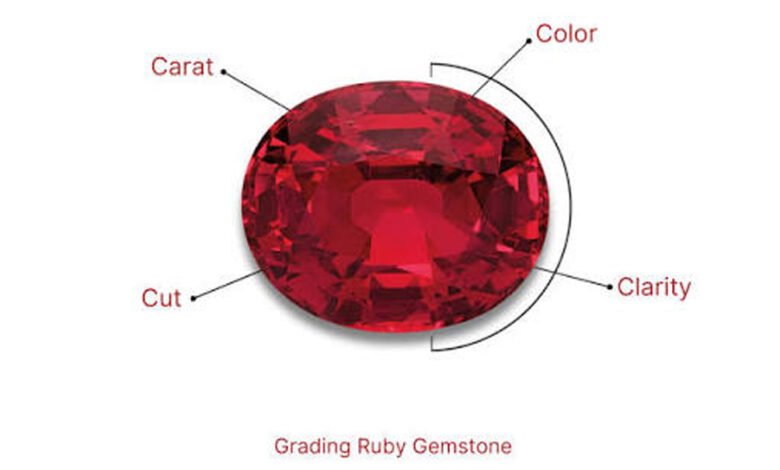
Astrological suitability is only one part of selection. Physical quality also matters when purchasing a precious gemstone. Look at colour, clarity, cut, transparency, carat weight, treatment, origin, and certification. Natural stones can vary significantly in appearance and value, so a buyer should understand what is being offered.
Ruby is a variety of corundum, and its red colour is primarily associated with chromium. It is a precious gemstone, while red-looking alternatives such as garnet or red spinel are different minerals. Clear product information and an independent laboratory report can help distinguish the stone’s identity and disclosed characteristics.
Do Not Choose Only by Appearance
A vivid red gem may immediately attract attention, but appearance alone does not establish astrological suitability or authenticity. Likewise, choosing the largest stone within a budget is not necessarily the best approach.
A thoughtful buyer should consider whether the gemstone is astrologically appropriate according to the birth chart, whether its quality is suitable for the intended purpose and budget, and whether its identity and certification are sufficiently documented. Answering these questions creates a more responsible buying process.
Look for Professional Guidance
People searching for the best place to buy ruby stone in Bangalore should consider more than location or price. A reliable seller should be able to explain gemstone specifications, provide relevant certification, discuss sourcing or treatments where applicable, and offer guidance without making unrealistic promises.
Professional consultation is particularly useful when the purchase is being made for astrological reasons. A qualified practitioner can interpret the chart rather than relying on a generic recommendation. This helps separate personalized guidance from assumptions based only on a person’s birth month or zodiac label.
Consider Wearing Recommendations Carefully
Traditional gemstone practices may also include guidance about metal, finger, day, and energising rituals. These instructions vary according to astrological traditions and individual charts.
It is also useful to distinguish cultural or spiritual practices from scientifically established effects. There is no scientific consensus that gemstones can guarantee changes in health, wealth, relationships, or career. They can still hold personal, cultural, aesthetic, and spiritual significance for people who follow these traditions.
Verify Certification and Documentation
Certification can add an important layer of confidence when buying a precious gemstone. Check whether the report identifies the gemstone correctly and states relevant characteristics such as natural or synthetic status and treatments, where applicable.
The seller’s transparency also matters. Ask about return policies, specifications, documentation, and after-sales support. A clear purchasing process reduces confusion and makes it easier to compare different stones objectively.
Conclusion
Choosing the right ruby stone according to your birth chart requires more than checking your zodiac sign. Traditional Vedic astrology considers the Sun’s position, house relationships, planetary strength, Rashi, Lagna, and broader chart patterns before recommending a gemstone. Alongside astrological guidance, buyers should evaluate natural quality, certification, disclosed treatments, and seller transparency. Taking time to verify these details makes the selection process more informed, responsible, and personally meaningful.
For trusted guidance and traditional spiritual solutions, RudraTree provides personalized gemstone guidance supported by horoscope analysis and expert consultation. Their services include certified gemstones and Rudraksha, Rasi and Lagna recommendations, astrology consultations, Pooja ceremonies, Homam services, Vastu support, healing crystals, malas, and related spiritual offerings. The brand also provides energising services for selected products, helping customers explore traditional options with informed guidance, quality evaluation, and personalized support.