
Craft rooms often store years’ worth of fabrics, paper, tools, and unfinished projects. A small leak can ruin supplies before anyone notices the water. Knowing when to call Emergency Restoration Services in Charlotte, NC can help limit the damage.
Keep Supplies Off the Floor
When your craft room gets crowded, the floor often becomes extra storage. You might tuck boxes of yarn under a table or leave piles of fabric in a corner because you have nowhere else to put them. But if a pipe leaks or rainwater gets inside, those boxes could sit in water before you even realize something is wrong.
If possible, find some shelf space for the supplies you currently keep on the floor. You don’t need expensive storage furniture; a sturdy bookcase or simple shelving unit will do. Just leave enough space underneath to see if water starts collecting, and keep heavy boxes somewhere they won’t fall when you’re looking for supplies.
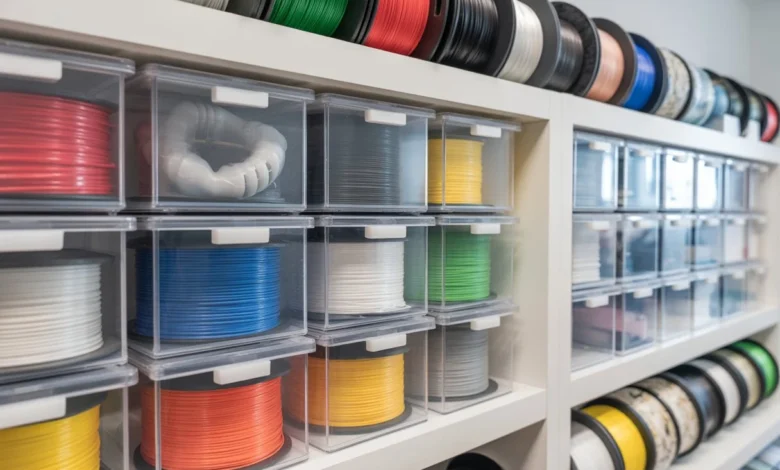
For things like scrapbook paper, sewing patterns, and fabric scraps, plastic bins with lids are worth using. Cardboard gets soggy pretty quickly, and nobody wants to open a box only to find their favorite materials ruined. Plastic offers some protection, but it’s still best to keep those bins away from pipes, damp walls, and windows that might leak.
Watch for Leaks Near Your Workspace
If your craft room is next to the bathroom, kitchen, or laundry room, there could be water pipes running through the walls. Every so often, take a look at the ceiling, walls, and baseboards for brown stains, bubbling paint, or spots that feel damp. A strange, musty smell is also worth checking out, even if you can’t see where the moisture is coming from.
Windows can cause trouble too, especially during heavy rain. If you have a sewing table or shelves beneath a window, check for water around the frame and along the windowsill after a storm. A little rainwater dripping onto your sketchbooks, fabric, or sewing machine could ruin things you’ve spent a lot of money collecting.
Basement craft rooms need extra attention because water can sometimes find its way inside during storms. After a heavy downpour, check the corners, walls, and floor for damp spots before putting anything back into storage. If you notice water collecting near a floor drain or the same area keeps getting wet, find out what’s causing it rather than waiting for the next storm.
Protect Equipment and Finished Projects
If you’ve spent good money on a sewing machine, cutting tools, or a computer for your craft projects, the last thing you want is water getting into them. Try to keep this equipment away from windows that sometimes leak, nearby sinks, or pipes that could develop a drip. It’s also a good idea to keep power strips and electrical cords off the floor in case water gets into the room.
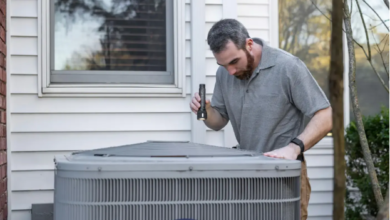
Finished projects also need a safe place, especially if you’ve spent weeks working on them. Store quilts, paintings, and handmade gifts on higher shelves, using suitable covers or wrapping to protect them from dust and moisture. Don’t leave anything you would hate to lose underneath water pipes or air conditioning units where a leak could go unnoticed.
Take a few pictures of your more expensive equipment and the projects you’ve completed. It’s also worth saving receipts and keeping a list of valuable items somewhere other than your craft room. If water ever damages your belongings, having those records could make it easier to explain what was lost when filing an insurance claim.
Know What to Do When Water Appears
Finding water all over your craft room can be upsetting, especially when you have expensive supplies and unfinished projects inside. Before rushing in to save anything, or call for water damage restoration, make sure there are no wet outlets, exposed wires, or electrical equipment near the water. If a leaking pipe caused the problem, turn off the water supply if you can safely reach the valve.
Once it’s safe to enter, start moving anything that hasn’t gotten wet to another room. Leave soaked electrical equipment alone, and don’t try to clean materials that have come into contact with sewage or other contaminated water without professional advice. Take pictures of the damage before you start cleaning up, provided you can do so without putting yourself at risk.
A few towels might be enough for a small spill, but a flooded craft room is another matter. If water has soaked into the walls, flooring, or furniture, you may need professional restoration services to deal with the problem properly. A restoration specialist can check for moisture in places you wouldn’t normally think to look, including underneath flooring and behind walls.
Final Thoughts
Protecting a craft room starts with sensible storage, regular checks, and attention to humidity. Keeping supplies off the floor and knowing how to respond to leaks can save cherished projects. When serious flooding occurs, Emergency Restoration Services in Charlotte, NC can help assess the damage and begin recovery.