Dental Implant Care: A Practical Routine for Daily Hygiene, Checkups, and Warning Signs in Brownsville, Texas

Dental implants can make everyday meals, conversations, and confident smiles feel more comfortable, but they still need consistent attention. For patients looking into dental implant maintenance Brownsville, the goal is straightforward: keep the gums, supporting bone, and visible restoration as healthy as possible through daily care and regular professional monitoring.
That routine matters in every stage of implant ownership, whether an implant was placed recently or has supported a crown for years. A few careful minutes at home, along with appointments tailored to your needs, can help you notice small changes before they become more disruptive problems.
Why Dental Implants Still Need Regular Care
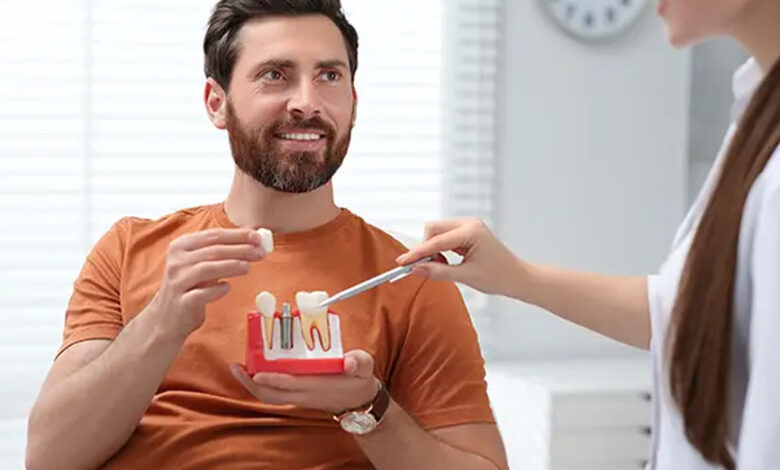
An implant restoration has several parts: the implant post in the jawbone, a connecting abutment, and the crown, bridge, or denture visible above the gums. Although the restoration is not natural enamel, bacteria can still collect at the gumline. Healthy gum tissue and bone provide the foundation that helps an implant remain stable and comfortable.
A Simple Daily Cleaning Routine
The National Institute of Dental and Craniofacial Research recommends that people brush twice a day and clean between their teeth regularly, habits that are just as important for protecting tissues around an implant.
A reliable home routine does not need to be complicated. The National Institute of Dental and Craniofacial Research recommends that people brush twice a day and clean between their teeth regularly, habits that are just as important for protecting tissues around an implant.
- Brush in the morning and before bed with a soft-bristled toothbrush.
- Use gentle, small motions along the gumline and around the implant crown.
- Clean between teeth with floss, an interdental brush, or another tool recommended for your restoration.
- Rinse with water after meals when brushing is not practical.
- Replace a toothbrush or electric brush head once the bristles become worn.
Choosing Tools Without Irritating the Gums
A soft manual brush can work well, while an electric toothbrush may help some people clean more consistently. Floss threaders can make it easier to guide floss under bridges, and interdental brushes may clean wider spaces effectively when they fit comfortably. A water flosser can also be useful for some patients. Do not force floss, picks, or brushes into tight areas, because pressure can injure the gums. A dental professional can demonstrate the technique and tool size best suited to your implant design.
What Happens During a Professional Implant Checkup?
During a maintenance visit, the dental team may review your health history and home care routine, inspect your gum tissue, and check for bleeding, swelling, tenderness, drainage, or plaque buildup. They may also evaluate how the crown or bridge fits, whether your bite has changed, and whether any component feels loose. Professional cleaning removes deposits that cannot be brushed away at home. Images may be recommended when there is concern about changes in the bone around an implant.
How Often Should Implant Patients Have Checkups?
There is no single schedule that fits everyone. Gum health, home-care habits, tobacco use, medical history, dry mouth, grinding, and the type of restoration can all affect how often maintenance is needed. Some Brownsville patients may do well with routine twice-yearly visits, while others benefit from more frequent monitoring. Follow the individualized schedule recommended by your dental team.
Early Warning Signs to Watch For
Brief sensitivity after eating something unusually hard may differ from a lingering symptom. Contact a dental professional if you notice any of the following:
- New bleeding during brushing or cleaning.
- Redness, swelling, tenderness, or gum recession near the implant.
- Persistent bad breath, an unpleasant taste, pus, or fluid near the gumline.
- Pain when chewing or a sudden change in how your teeth meet.
- A loose crown, bridge, denture, or implant component.
Peri-Implant Mucosal Inflammation and Peri-Implantitis
Inflammation in the soft tissue around an implant is often called peri-implant mucositis. Peri-implantitis is more serious because it involves inflammation along with loss of supporting bone. Symptoms may be mild at first, which is why routine checks matter. Because peri-implantitis can develop with few early warning signs, patient-focused monitoring and long-term maintenance remain central to implant health.
Lifestyle Habits That Support Implant Health
Tobacco use can affect gum health and healing, so avoiding it supports both natural teeth and implant tissues. Grinding or clenching can place excess force on crowns and implant components, especially during sleep. Ask whether a night guard may be appropriate if you wake with jaw soreness, headaches, or worn teeth. A balanced diet supports overall oral health, and your dental team should be informed of any new diagnoses, medications, or changes that affect healing or dry mouth.
Foods and Habits That May Cause Problems
Avoid using teeth as tools or chewing ice, pens, fingernails, and similarly hard objects. Very hard foods can stress a restoration, while sticky foods can cling to the gumline and make cleaning more difficult. Cutting firm foods into smaller bites can be sensible, particularly if you have a larger bridge or implant-supported denture. Ongoing pain should never be dismissed as normal chewing discomfort.
Common Questions About Implant Maintenance
Can Dental Implants Get Cavities?
No. The crown or implant restoration does not decay like natural tooth enamel. However, plaque can still irritate nearby gums and contribute to problems around the implant or adjacent natural teeth.
Is Flossing Still Necessary?
Cleaning between teeth remains important. The best method depends on the shape of your crown, bridge, or denture, so ask for a personalized recommendation.
Can a Loose Crown Be Ignored?
No. A loose crown may indicate a damaged component, a cement issue, or a bite concern. Arrange an examination rather than trying to adjust it yourself.
Do Implants Need Special Toothpaste?
Not always. The right product depends on your natural teeth, gum health, sensitivity, and other oral-health needs.
Can Smoking Affect Implant Health?
Yes. Smoking is associated with poorer gum health and can interfere with healing, making tobacco avoidance an important part of implant care.
A Quick Weekly Self-Check
- Look for redness, puffiness, or recession around the implant.
- Notice whether brushing causes new bleeding.
- Pay attention to chewing comfort and changes in bite.
- Watch for persistent odor or an unusual taste.
- Call a dental office if a symptom continues, worsens, or feels concerning.
When to Seek Prompt Dental Care
Do not wait for a routine appointment if an implant restoration feels loose, pain or swelling is increasing, drainage develops, or an injury changes your bite. Prompt evaluation can help determine whether the issue involves the crown, connecting parts, gums, or supporting bone.
Conclusion
Dental implant care in Brownsville, Texas, is built on steady habits rather than complicated routines. Clean carefully every day, protect the restoration from damaging habits, attend recommended checkups, and act quickly when something changes. That practical approach helps support the gums, bone, and restoration that work together to keep an implant functioning well.