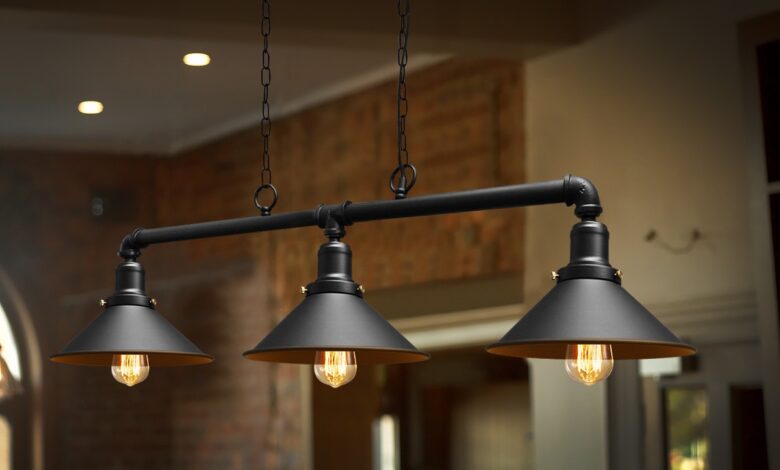

Industrial Pendant Lighting can give a commercial space focused illumination and a distinct visual style. But the right fixture depends on the work happening below it. A warehouse aisle, a production bench, and a restaurant dining area have different lighting needs.
Start by dividing the space into zones. Mark where staff handle detailed work, where customers visit, and where general visibility matters most. A packing station may need bright, even light that helps workers read labels. A showroom may need lighting that shows products clearly while supporting the look of the interior.
Before shopping, record these basics:
- Ceiling height and floor dimensions
- Work areas, aisles, shelves, and machinery
- Tasks performed beneath each fixture
- Existing power and mounting locations
- Any relevant building or electrical requirements
These notes give buyers and contractors a clearer way to compare products. A fixture that looks suitable online may not provide the needed output or fit the ceiling structure. Consider how people use the space throughout the day, too. A facility that operates long shifts may prioritize maintenance and energy use, while a customer-facing business may place more weight on appearance and light quality.
Industrial pendant lights come in a range of shade sizes and styles. The key is to choose a fixture that suits the area’s function and scale. An oversized shade may dominate a small room, while a compact fixture can look out of place in a high-ceilinged, open space.
Pendant Lights or High-Bay Fixtures?
Pendant fixtures hang from the ceiling using a stem, rod, chain, or cord. Their shade and suspension length can help direct light over a specific work zone, counter, or table. Many buyers also choose them for their industrial appearance.
High-bay lights serve a different purpose. They are designed to illuminate large areas from high mounting points, which can make them a better fit for facilities with very tall ceilings and broad floor plans. Some warehouse pendant lights offer practical output as well as a traditional industrial style, but buyers should check each product’s specifications rather than assume all pendants can light an entire warehouse.
| Project requirement | Fixture type to compare | Main details to check |
| Focused light over a counter or workstation | Pendant | Shade, output, and suspension length |
| A strong industrial look in a showroom or restaurant | Pendant | Size, finish, and bulb compatibility |
| Broad coverage across a high-ceiling facility | High bay | Output, beam spread, and layout |
| Different lighting needs across zones | A mix of fixtures | Consistency, controls, and coverage |
For some projects, a combination works best. High-bay fixtures can cover general areas, while pendants add focused light over a counter or feature area. The right mix depends on ceiling height, layout, and the tasks performed—not just the name of the fixture.
Plan Brightness, Spacing, and Glare
A good lighting plan provides useful coverage without creating harsh glare or dark patches. Check a fixture’s lumen output, beam angle, and recommended applications. Wattage indicates power draw, but it does not tell you on its own how much light will reach the work surface.
Spacing matters. Fixtures placed too far apart can leave dim areas between them. Lights placed too close together can create bright spots and uneven contrast. Tall shelving, beams, machinery, and suspended equipment can interrupt light before it reaches the floor.
Use a simple floor plan to make early decisions:
- Mark aisles, workstations, shelves, and obstructions.
- Note the mounting height available for each fixture.
- Identify tasks that need more focused illumination.
- Compare output and beam spread for each area.
- Review the proposed layout for dark spots and glare.
Workers may need different lighting from customers. Detailed inspection or assembly work calls for clear visibility, while a lobby or dining area may need a softer effect. Dimmable options can help adjust the atmosphere where compatible, but confirm that both the fixture and control support dimming.
If the space has a complicated layout or very high ceilings, ask a qualified lighting professional to review the plan. That step can help identify coverage issues before installation and prevent the cost of adding or relocating fixtures later.
Compare Light Sources, Materials, and Style
LED options may use less energy than many traditional lamps and can reduce how often bulbs need replacement. That can matter when fixtures hang high and access requires a ladder or lift. Still, the LED label alone does not confirm that a product suits the space. Compare light output, color temperature, dimming compatibility, rated life, and warranty information.
Some hanging light fixtures use replaceable bulbs; others contain an integrated LED source. A replaceable bulb can give buyers more choice, but they need to check socket type and the fixture’s maximum wattage. For an integrated source, review product information about service life and replacement options.
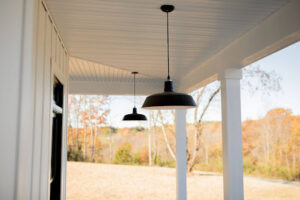
Construction and finish also affect whether a fixture fits the setting. Metal shades can suit industrial interiors, workshops, barns, and restaurant spaces. Black, bronze, galvanized, and other finishes can coordinate with structural elements or existing decor. In areas visible to customers, matching fixtures across a row can help the design feel consistent.
Check the product’s intended application and installation instructions. For industrial settings, confirm that the mounting method and fixture rating suit the site conditions. Follow applicable electrical codes and consult a qualified electrician when needed. Contractors should also check ceiling support and available clearances before specifying the fixture.
Use a Buyer’s Checklist Before Ordering
Before choosing commercial pendant lights, bring the project details together. A short checklist helps homeowners, facility managers, and contractors compare fixtures on the same criteria.
Industrial pendant lighting checklist
- Measure the ceiling height and the areas to be illuminated.
- Identify tasks, shelves, equipment, and other obstructions.
- Compare lumen output, beam spread, and color temperature.
- Confirm shade size, suspension length, and mounting method.
- Check voltage, bulb type, dimming compatibility, and product ratings.
- Review installation instructions, warranty, and maintenance needs.
- Confirm the fixture suits the specific location and applicable codes.
Aq lighting offers a range of industrial and commercial pendant styles, from vintage-inspired designs to more modern options. Compare product specifications to your measurements and intended use, and contact the seller if you need help understanding a fixture’s details. Reviewing those details before purchase helps buyers find an option that works for the project’s lighting requirements and budget.
The best fixture balances purpose, coverage, and appearance. With a clear layout and careful comparison, business owners and contractors can select pendants that suit the room, support the work, and fit the overall design.
FAQs
What is industrial pendant lighting?
It refers to suspended fixtures used in industrial and commercial interiors. Depending on their design and specifications, they can provide focused illumination over work areas or contribute to a space’s overall style.
Where can industrial pendant lights be used?
They are used in warehouses, workshops, restaurants, retail spaces, barns, and other commercial interiors. Check each fixture’s specifications to confirm that it suits the location and intended use.
Are pendant lights suitable for warehouse use?
Some are suitable for specific warehouse areas, such as workstations or counters. For broad coverage across a high-ceiling facility, compare them with high-bay fixtures and base the choice on the lighting plan.
How do I choose the right size pendant light?
Consider ceiling height, room dimensions, the fixture’s shade size, and the area it needs to illuminate. Compare product measurements and light distribution before deciding.
Are LED industrial pendant fixtures energy efficient?
LED options may use less energy than many traditional lamps and can reduce replacement frequency. Compare the specific product’s output, rated life, compatibility, and warranty before buying.