
A strong and dependable roof is one of the most important components of any property because it provides the first line of defense against rain, wind, hail, sunlight, moisture, and changing outdoor temperatures. Although roofing materials are designed to withstand regular exposure, every roof eventually experiences some level of wear and deterioration. Minor problems such as cracked shingles, loose flashing, damaged roof edges, blocked gutters, or small leaks can gradually develop into more expensive concerns when they are overlooked. Professional roofers understand how different roofing components work together and can provide the inspection, repair, maintenance, replacement, and installation services necessary to keep a property protected. Their experience allows them to identify visible and hidden concerns, recommend appropriate solutions, and complete roofing work according to the requirements of the existing structure.
Understanding the Importance of Professional Roofing
Roofing work requires more than simply installing shingles across a roof surface. A complete roofing system includes several layers and components that each contribute to the building’s protection. The roof deck provides the structural foundation, while underlayment adds another layer of protection against moisture. Shingles, metal panels, or other exterior materials create the primary weather-resistant surface, while flashing protects areas where the roof connects with walls, chimneys, vents, skylights, and other structures. Gutters and downspouts control rainwater after it leaves the roof, while soffits and ventilation components help support proper airflow around the roof and attic. When these components are correctly installed and maintained, they work together to create a durable system. Professional roofing services focus on this complete system rather than treating the roof as a single surface.
Common Roofing Problems Homeowners Should Watch For
Roofing problems can appear gradually as materials age or develop suddenly following severe weather. Missing shingles are among the easiest issues to recognize, but many other concerns may not be immediately obvious from the ground. Curling, cracking, blistering, loose, or deteriorating roofing materials can indicate that the roof is becoming less effective at protecting the property. Damaged flashing around vents, chimneys, skylights, and valleys can also create pathways for water. Homeowners may notice interior warning signs such as ceiling stains, peeling paint, damp insulation, or musty odors when moisture has entered the structure. Water does not always appear directly beneath the damaged section because it can travel beneath roofing materials and along framing before becoming visible inside. For this reason, professional evaluation is often necessary to determine the actual source of a roofing problem.
Why Regular Roof Inspections Are Valuable
Regular roof inspections can help property owners identify small concerns before they develop into larger repairs. During an inspection, professionals can examine roofing materials, flashing, roof edges, drainage components, ventilation, and other accessible areas for signs of deterioration. Inspections are particularly useful after strong storms because wind, hail, heavy rain, and falling branches can damage roofing components in ways that are difficult to see from the ground. An inspection can also help determine whether an aging roof can continue to perform with maintenance and repairs or whether replacement would provide a more practical long-term solution. Instead of waiting until a leak becomes severe, homeowners can use professional inspections as part of a preventive maintenance strategy that helps protect the property’s structure and investment.
Professional Roof Repair Services
Roof repair can often extend the useful life of a roofing system when damage is localized and the underlying structure remains in good condition. Common repair work may involve replacing missing or damaged shingles, repairing flashing, correcting leaks, securing loose materials, replacing damaged roof-edge components, and addressing localized deterioration. Effective repairs should focus on the source of the problem rather than simply covering the visible damage. For example, replacing a damaged shingle without checking the surrounding area may leave underlying moisture damage or flashing problems unresolved. Professional roofers can inspect the affected section and surrounding components to determine whether the problem is isolated or part of a larger issue. Properly completed repairs can restore the roof’s protective function while helping homeowners avoid unnecessary replacement when the existing system is still serviceable.
Knowing When Roof Replacement Is Necessary
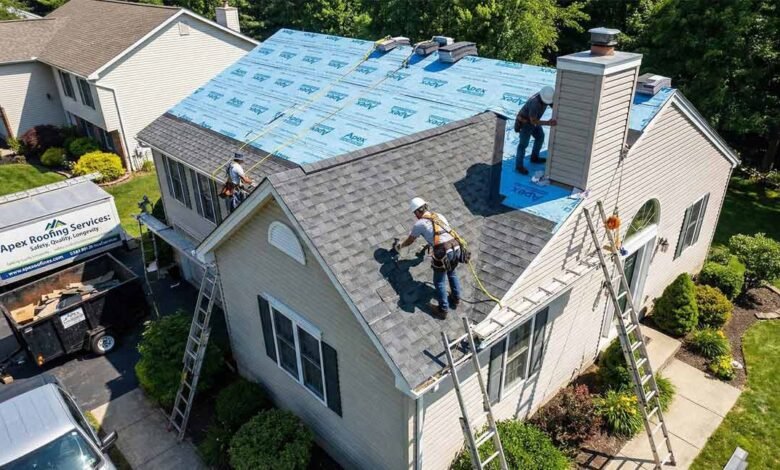
There are situations where repairing an existing roof may no longer be the most practical option. Widespread storm damage, extensive material deterioration, repeated leaks, structural problems, and advanced age can all indicate that replacement should be considered. A complete roof replacement provides an opportunity to remove deteriorated materials, inspect the roof deck, replace damaged decking where necessary, install new underlayment and flashing, evaluate ventilation, and apply a new roofing surface. Replacement can also improve the overall appearance and performance of an aging property. However, homeowners should not assume that every visible problem requires a completely new roof. A professional inspection can help determine the actual condition of the system and whether repairs, maintenance, or replacement would provide the most appropriate long-term solution.
Choosing Suitable Roofing Materials
Different roofing materials provide different levels of durability, appearance, maintenance requirements, and performance. Asphalt shingles remain a common choice for residential properties because they are versatile, available in numerous styles, and suitable for many architectural designs. Architectural shingles can provide a more dimensional appearance and may offer enhanced aesthetic appeal. Metal roofing provides another option for homeowners seeking durability and a distinctive exterior appearance, while synthetic roofing materials can offer alternative styles inspired by traditional products. Some properties, particularly those with flat or low-slope designs, may require specialized roofing membranes and drainage systems. Material selection should be based on the structure of the property, roof design, expected weather exposure, maintenance preferences, budget, and long-term goals. A professional contractor can explain the differences between available options and help homeowners choose materials that provide an appropriate balance between performance and appearance.
The Importance of Proper Roof Ventilation
Roof ventilation is an important part of maintaining a healthy roofing system because it helps regulate heat and moisture in attic spaces. When warm, moist air becomes trapped beneath a roof, condensation and excessive heat can contribute to deterioration of roofing materials and other building components. Proper intake and exhaust ventilation can help maintain a more balanced attic environment and support the performance of insulation and roofing materials. During an inspection or replacement project, professionals can evaluate existing ventilation and identify potential concerns. Addressing ventilation at the same time as roofing work may help improve long-term system performance and reduce conditions that can contribute to premature deterioration.
Flashing and Other Vulnerable Areas
Flashing is one of the most important protective components of a roofing system because it helps direct water away from locations where different surfaces meet. Common flashing areas include chimneys, skylights, vents, walls, roof valleys, and roof edges. These locations require careful installation because even small gaps or damaged seals can allow water to move beneath the roofing materials. Flashing can deteriorate because of age, severe weather, improper installation, or repeated exposure to moisture. During roof inspections and repairs, professionals should pay close attention to these areas to determine whether flashing is secure and functioning properly. Correctly installed and maintained flashing can significantly reduce the likelihood of leaks around vulnerable roof transitions.
Gutters and Downspouts as Part of the Roofing System
Roofing and drainage work closely together because rainwater needs to be controlled after it leaves the roof surface. Gutters collect runoff along the roof edge and direct it toward downspouts, which carry water away from the structure. When gutters become clogged, damaged, undersized, or improperly positioned, water may overflow and affect fascia, siding, landscaping, and foundation areas. During roof installation or replacement, gutters should be evaluated to ensure they remain compatible with the roof’s drainage requirements. Downspouts should also discharge water far enough away from the building to reduce unnecessary moisture around the foundation. Maintaining these components as part of the overall roofing system can help improve water management and protect other exterior features.
Storm Damage and Emergency Roofing Concerns
Severe weather can create sudden roofing problems that require prompt attention. Strong winds may loosen or remove shingles, hail can cause impact damage, and falling branches can puncture roofing materials or damage the roof structure. Heavy rain can then enter through exposed areas and reach the decking, insulation, ceilings, walls, or other interior components. Homeowners should avoid climbing onto a storm-damaged roof because wet surfaces, loose materials, and unstable areas can create serious safety risks. A professional inspection can determine the extent of damage and identify whether temporary protection or permanent repairs are required. Prompt action after a storm can reduce the opportunity for additional moisture intrusion and help prevent a relatively manageable roofing problem from becoming a much larger restoration project.
Roofing Services for New Construction
New construction projects provide an opportunity to develop a roofing system correctly from the beginning. Proper planning should consider the roof structure, material selection, ventilation, drainage, flashing, insulation, and architectural appearance. Professional installation ensures that the roof deck is properly prepared and that underlayment, flashing, roofing materials, and ventilation components are installed according to the requirements of the system. Careful workmanship during new construction can reduce the possibility of installation-related leaks and premature deterioration. A new roof should be selected based not only on appearance but also on durability, maintenance requirements, compatibility with the structure, and expected long-term performance.
Commercial Roofing Considerations
Commercial properties often have different roofing requirements because they may use flat or low-slope systems, larger roof surfaces, specialized membranes, and more complex drainage configurations. Commercial roofing also requires careful project planning because businesses may need to remain operational while work is being completed. Professional contractors can coordinate material delivery, access, safety requirements, installation schedules, and cleanup to reduce unnecessary disruption. Regular inspections and maintenance are especially valuable for commercial properties because roof problems can affect building operations, equipment, inventory, and employee or customer areas. Identifying small problems early can help commercial property owners manage maintenance costs and reduce the possibility of unexpected interruptions.
Protecting Soffits and Fascia
Soffits and fascia are important roofline components that contribute to both appearance and functionality. Fascia provides a finished edge around the roof and may support gutters, while soffits protect the underside of roof overhangs and can contribute to attic ventilation. Moisture, severe weather, pests, and aging materials can damage these components. Deteriorated fascia may weaken gutter attachment points, while damaged soffits can create openings that allow moisture or unwanted animals to enter protected areas. When roofing work is being performed, these components should be inspected to determine whether they require repair or replacement. Addressing related roofline problems at the same time can help create a more complete and durable exterior restoration.
Selecting a Reliable Roofing Professional
Choosing a qualified contractor is an important part of any roofing project because workmanship has a direct effect on the performance and lifespan of the finished system. Homeowners should look for professionals with experience in the specific type of service required, whether that involves repairs, replacement, storm restoration, new construction, gutters, or exterior roofline work. A reliable contractor should clearly explain the condition of the roof, identify recommended repairs, discuss material options, and provide a detailed estimate. Homeowners can also ask about workmanship warranties, material warranties, project timelines, cleanup procedures, and the overall process before work begins. Clear communication helps property owners understand what is being recommended and why particular services may be necessary.For homeowners looking for professional roofing assistance,roofers can provide services related to roofing repairs, roof replacement, storm restoration, gutter work, and other exterior roofing needs. Working with an experienced roofing professional can help ensure that repairs and installation are approached with attention to both immediate concerns and long-term performance.
Preparing for a Roofing Project
Proper preparation can make a roofing project more organized and help homeowners understand what to expect. Before work begins, the property owner should have a clear understanding of the project scope, selected materials, expected timeline, access requirements, cleanup procedures, and any areas that require special attention. Roof replacement may involve removing old materials, examining the roof deck, replacing damaged sections, installing underlayment and flashing, improving ventilation, and applying new roofing materials. Smaller repair projects may involve fewer steps, but they still require careful preparation and proper integration with the existing system. Discussing previous repairs, known leaks, storm damage, attic concerns, and gutter problems with the contractor can provide useful information for planning the work.
Long-Term Roof Maintenance
A professionally installed roof still requires regular maintenance to perform properly throughout its useful life. Homeowners should monitor roofing materials after severe weather, keep gutters clear, remove debris when appropriate, and address visible deterioration as soon as it is discovered. Trees and branches should also be managed when they create a risk of contacting the roof during strong winds. Attic spaces should be checked for signs of moisture, condensation, or inadequate ventilation, especially when unusual odors or interior stains appear. Maintenance requirements vary according to the roofing material, age of the system, roof design, and environmental exposure. Following a suitable inspection and maintenance schedule can help identify problems earlier and reduce the likelihood of expensive emergency repairs.
Roofing and Energy Efficiency
A roofing system can contribute to the overall energy performance of a property when materials, ventilation, insulation, and installation methods are properly coordinated. Excessive heat in attic spaces can affect indoor comfort, while inadequate ventilation may contribute to moisture accumulation. During a roof replacement or major renovation, homeowners can discuss ventilation, insulation, and material options with their contractor to determine whether improvements are appropriate. Roofing should be viewed as one part of the complete building envelope, working together with insulation, exterior walls, windows, and other components. A well-planned system can help support more consistent indoor conditions while providing dependable protection from outdoor weather.
Protecting Long-Term Property Value
The condition of a roof can influence the appearance, usability, and perceived value of a property. A neglected roof may create concerns about leaks, structural damage, maintenance costs, and future replacement needs. On the other hand, a properly maintained or recently replaced roof can provide greater confidence in the overall condition of the property. Regular inspections and timely repairs can help preserve the roof while also protecting other exterior components from moisture-related deterioration. Homeowners should keep records of major repairs, inspections, maintenance work, and replacement projects because this information can be useful when evaluating the property’s condition or preparing for a future sale. For dependable roofing solutions, homeowners can work with roofers who can help maintain, repair, and improve the overall performance of the roofing system.
Conclusion
A dependable roof is essential for protecting a property from rain, wind, hail, sunlight, moisture, and other environmental conditions. Professional roofing services can address a wide range of needs, including inspections, repairs, maintenance, replacement, storm restoration, new construction, gutter services, and roofline improvements. Because a roofing system contains multiple interconnected components, successful roofing work requires more than simply replacing visible materials. Decking, underlayment, flashing, ventilation, roofing surfaces, gutters, soffits, fascia, and drainage all contribute to the overall performance of the system.Homeowners should address roofing concerns promptly rather than waiting until a minor problem becomes a major leak or structural issue. Professional inspections can reveal hidden damage and provide useful information about whether repairs or replacement are appropriate. When replacement is necessary, selecting suitable materials and investing in skilled installation can provide reliable protection for many years. Regular maintenance can then help preserve the condition of the system and reduce the likelihood of unexpected problems.Ultimately, quality roofing is an investment in safety, durability, comfort, appearance, and property value. By choosing experienced roofers and maintaining the roofing system properly, property owners can create a stronger exterior defense against weather while ensuring that important components continue working together effectively.