
Beauty trends come and go, but some ingredients remain popular because they continue to fit naturally into everyday routines. While new formulas and innovative products appear every season, consumers are increasingly interested in simple ingredients that can serve more than one purpose.
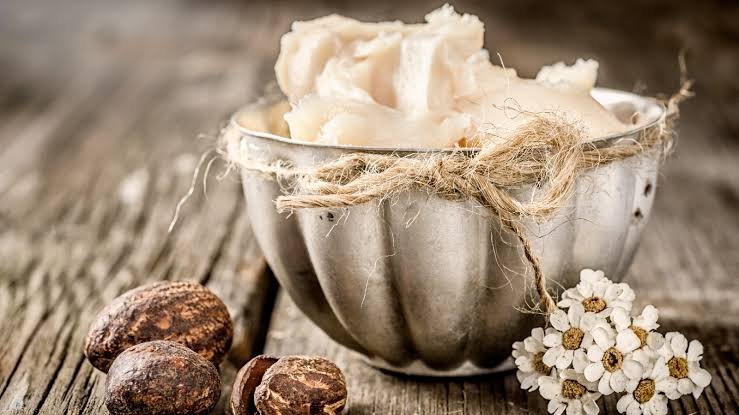
This shift has brought traditional natural ingredients back into the spotlight. Among them, shea butter has become a familiar name in skincare, haircare, body care, and DIY beauty.
Its appeal is not difficult to understand. Shea butter has a rich texture, works well in a variety of cosmetic formulations, and can be incorporated into everything from body creams to hair treatments. For people looking to simplify their routines without giving up nourishing products, it offers plenty of possibilities.
What Makes Shea Butter So Useful?
Shea butter is a plant-based fat produced from the nuts of the shea tree, which is native to parts of West Africa. It has been used for generations as a moisturising ingredient and remains widely used in modern cosmetic products.
Its naturally rich consistency makes it particularly suitable for products designed to soften and condition dry skin. Refined versions are also popular because they have a lighter colour and little to no strong natural scent, making them easier to incorporate into different formulations.
This versatility is one of the main reasons shea butter continues to appear in modern beauty products.
Shea Butter for Everyday Skincare
Dry skin can become particularly noticeable during colder months, after frequent washing, or when the skin is exposed to dry indoor air.
A rich moisturising product can help make a skincare routine feel more comfortable, particularly when applied after bathing while the skin is still slightly damp.
Shea butter can be used as an ingredient in body creams, balms, lotions, and other cosmetic preparations. Its rich texture also makes it suitable for areas that tend to become particularly dry, such as elbows, knees, and hands.
However, everyone’s skin is different. People with sensitive skin should introduce new ingredients gradually and stop using them if irritation occurs.
Why Refined Shea Butter Appeals to DIY Beauty Fans
One reason refined shea butter is particularly interesting for people who make their own beauty products is its neutral character.
Unrefined shea butter can have a distinctive natural aroma, while refined shea butter is generally white and odourless. This makes refined versions useful when someone wants to create a formulation where the fragrance of essential oils or other ingredients takes centre stage.
It can be incorporated into homemade body butters, moisturising balms, hair products, and other cosmetic recipes.
For beginners, this versatility makes it an approachable ingredient to experiment with.
Shea Butter in Haircare
The benefits of a good haircare routine aren’t limited to shampoo and conditioner.
Dry-feeling hair often needs additional conditioning, particularly when exposed to heat styling, colouring, weather, or frequent washing. Rich plant-based ingredients can be incorporated into hair treatments designed to provide additional conditioning and softness.
Shea butter can be used in DIY hair formulations or combined with other cosmetic ingredients to create richer treatments.
Because it is a relatively heavy ingredient, however, people with fine or oily hair may prefer using smaller amounts or applying it mainly to the lengths and ends rather than directly to the scalp.
The right amount depends on hair type, texture, and the formulation being used.
A Better Approach to DIY Beauty
The growing interest in DIY beauty reflects a broader desire for greater control over personal-care routines.
Making a simple body butter or balm at home can allow people to select the ingredients, fragrance, and texture they prefer. It can also be an enjoyable creative activity.
But DIY does not mean ignoring formulation principles.
Ingredients should be measured accurately, equipment should be clean, and recipes should be followed carefully. Products containing water can also require appropriate preservation to prevent microbial growth.
For beginners, starting with simple anhydrous formulations—products that do not contain water—can be a more straightforward introduction.
Combining Shea Butter With Other Ingredients
One of the most interesting things about shea butter is how easily it can become part of a broader formulation.
It can be combined with plant oils such as coconut, jojoba, or almond oil to adjust the texture and application. Essential oils may also be used for fragrance, provided they are suitable for the intended cosmetic application and properly diluted.
The important thing is to understand what each ingredient contributes.
A rich butter can provide body and texture, while a lighter carrier oil can make a formulation easier to spread. Fragrance ingredients can add an aromatic element, but they should never be treated as automatically safe simply because they are natural.
Good DIY skincare is ultimately about balance rather than adding as many ingredients as possible.
Why Simple Beauty Routines Are Becoming More Popular
Many people are moving away from complicated routines containing numerous products.
Instead, they are looking for versatile ingredients that can work across several areas of their lifestyle. This doesn’t mean abandoning modern skincare. It means being more selective about what earns a place in the bathroom cabinet.
A moisturising ingredient that can be used in body care, hair treatments, and DIY formulations naturally appeals to this mindset.
It also fits the growing interest in understanding what goes into personal-care products rather than simply choosing products based on packaging or advertising.
Quality Matters When Choosing Ingredients
Not all raw cosmetic ingredients are identical, so quality and suitability should always be considered.
When buying shea butter for DIY cosmetics, look at how the product has been processed, whether it is intended for cosmetic use, and whether the supplier provides clear information about the ingredient.
Refined shea butter is available in different quantities, from small amounts suitable for experimenting to larger sizes intended for people making cosmetics more regularly.
Buying a small quantity first can be sensible for beginners. It gives you an opportunity to test different formulations before purchasing larger amounts.
Make Self-Care More Intentional
Self-care does not have to mean following an elaborate routine or buying dozens of products.
Sometimes, it can be as simple as taking a few minutes to apply a rich body moisturiser, preparing a homemade treatment, or turning an ordinary evening into a slower, more relaxing experience.
The ingredients we choose can contribute to that experience, but the routine itself matters too.
Creating a small ritual around skincare can make an everyday task feel more intentional and enjoyable.
Final Thoughts
The renewed interest in traditional beauty ingredients isn’t necessarily about rejecting modern products. Instead, it reflects a growing appreciation for ingredients that are versatile, understandable, and easy to incorporate into everyday routines.
Shea butter is a good example. Its rich texture and versatility have allowed it to remain relevant across generations, while its suitability for modern cosmetic formulations has helped it find a place in contemporary skincare and haircare.
Whether used in a ready-made product or incorporated into a carefully prepared DIY formulation, it offers plenty of possibilities for people who want to make their beauty routines a little simpler.
The real beauty trend may not be chasing the newest ingredient at all. It may be learning how to make better use of the timeless ones.