
When you want your home to feel social without turning into a chaotic drop zone for cups, plates, and half-open snack bags, design matters more than most people expect. A good entertaining setup isn’t about copying a showroom. It’s about making your space easier to use, easier to clean, and more comfortable for real people. If you host friends, family, or even the occasional holiday crowd, a few smart choices can change the whole flow of the room.
Start With How You Actually Host
Before you buy a single tray, stool, or cabinet, pay attention to what hosting looks like in your home. Do people gather in the kitchen and never leave? Do they spread into the living room and balance drinks on whatever flat surface survives? Your layout should match those habits, not fight them.
Think about the size of your guest list, how often you entertain, and what you usually serve. A game-night setup has different needs than a dinner party or casual wine-and-cheese evening. If you mostly host in small groups, you may not need a full dedicated bar area. You may just need one efficient corner with storage, serving space, and easy access.
That kind of honesty saves money and prevents the classic design mistake of buying furniture that looks polished but works like a traffic cone in a hallway.
Choose a Zone Instead of Letting the Whole Room Become the Zone
One of the easiest ways to improve entertaining is to define a specific area for drinks, glassware, or snacks. That keeps guests from drifting into workspaces, crowding the kitchen, or asking where everything is every ten minutes. A compact station creates order without making the room feel staged.
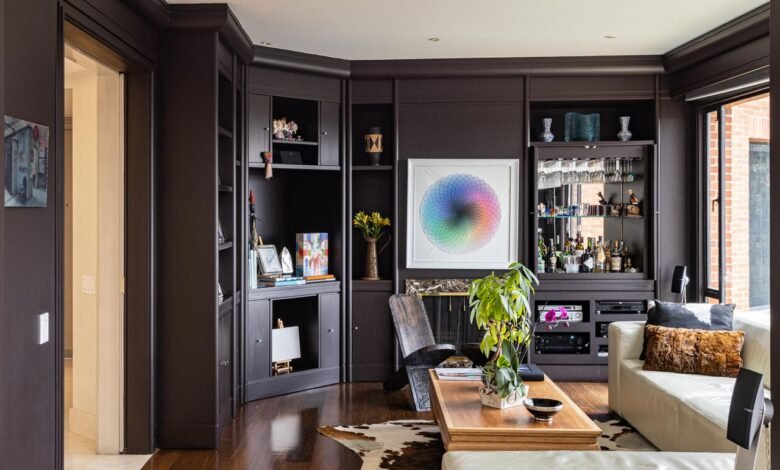
This is where pieces like bars and wine cabinets can be useful, especially if you want concealed storage and a surface for serving at the same time. Instead of scattering bottles, corkscrews, napkins, and glasses across multiple rooms, you keep them in one functional spot.
The best zone is usually close to seating but not directly in the main traffic path. You want access, not congestion. If guests have to form a line like they’re waiting for airport security, the setup needs work.
Focus on Storage That Hides the Mess
Entertaining looks effortless only when the behind-the-scenes clutter has somewhere to go. Open shelving can look great in photos, but real hosting involves mismatched tools, extra coasters, bottle stoppers, unopened mixers, and that one awkward serving bowl you only use twice a year.
Closed storage helps your space stay calm even when the event gets busy. Cabinets, drawers, and compartments make it easier to reset the room fast once everyone leaves. That matters more than people admit. A beautiful setup loses its charm quickly when cleanup turns into an archaeological dig.
Useful storage should hold:
– Glassware you use regularly
– Napkins, coasters, and openers
– Bottles or mixers
– Small serving pieces
– Backup supplies like candles or snacks
When every item has a place, hosting becomes less of a scavenger hunt and more of an actual evening.
Keep Surfaces Practical, Not Overstyled
A lot of entertaining spaces look impressive until someone tries to use them. Decorative objects eat up valuable surface space fast. If every inch is covered with candles, books, and sculptural accents, where exactly does the cheese board go?
You need at least one clear, sturdy surface that can handle active use. That could be a console, sideboard, bar cart, or cabinet top. Materials matter too. Delicate finishes may not love condensation rings, spills, or enthusiastic guests setting down glasses with the precision of a falling brick.
Practical doesn’t have to mean boring. You can still style the area with a tray, a lamp, or one strong decorative piece. Just leave enough breathing room for the setup to function during an actual gathering. Good entertaining design should survive contact with people, which is a surprisingly high bar in some homes.
Think About Movement, Seating, and Reach
A room can have beautiful furniture and still feel annoying when people are in it. Entertaining spaces need flow. Guests should be able to move between seating, drinks, and food without bumping knees, dodging sharp corners, or blocking the main path.
Aim for enough clearance around key furniture so people can stand, turn, and mingle comfortably. If you use stools or accent chairs near a serving area, make sure they don’t trap the space. Flexible seating works well because guests rarely stay arranged like a catalog spread.
Also consider reach. Items people use most often should be easy to grab without opening three doors or crouching to the floor. Place glassware, napkins, and everyday tools at comfortable height. Put less-used items lower or farther back. A simple setup makes guests feel relaxed because they’re not asking for help every few minutes.
Match the Setup to Your Lifestyle, Not Trends
Trends can be fun, but entertaining spaces last longer when they reflect how you live. If you love quiet dinners and good wine, your setup may lean warm, organized, and low-key. If you host birthdays, sports nights, or big family holidays, durability and capacity deserve more attention than aesthetics alone.
Try asking a few practical questions before making changes:
– Do you serve drinks often enough to justify dedicated storage?
– Do you need hidden space for supplies?
– Will the furniture work on ordinary days too?
– Is the material easy to maintain?
– Can the area adapt for different kinds of gatherings?
The smartest entertaining spaces pull double duty. A cabinet can store bottles and glasses while also working as dining room storage. A console can hold serving pieces and still anchor the room every day. That kind of versatility usually ages better than trend-driven purchases.
Use Lighting and Details to Make the Space Feel Intentional
Function gets people through the evening, but atmosphere shapes how the room feels. Lighting plays a huge role here. If your entertaining area sits under harsh overhead lighting, even a well-designed setup can feel flat. Softer layered light tends to make people linger.
A table lamp, wall sconce, or dimmable overhead fixture can help define the space. Warm bulbs usually feel better in social settings than cool bright ones. Small details matter too, especially the ones that support use without screaming for attention.
Good finishing touches include:
– A tray to group bottles or tools
– Coasters within easy reach
– A small bowl for corks or garnishes
– Cloth napkins for a more polished feel
– One piece of art or décor to anchor the area
The goal isn’t perfection. It’s making the space feel ready. When your setup looks intentional and works smoothly, guests notice even if they can’t explain why.
Make It Easy to Reset After Guests Leave
The best entertaining space isn’t just easy to use during the party. It’s easy to put back together afterward. That part often gets ignored, which is strange because cleanup is the final exam for every design decision you made.
Choose a setup that helps you clear surfaces quickly, store leftovers tools, and return the room to normal without much effort. If everything can be wiped down, put away, and reset in ten or fifteen minutes, you’re far more likely to host again.
That may be the most underrated design win of all. A space that welcomes people in and doesn’t punish you after they leave earns its keep. When your home supports real gatherings instead of just looking ready for them, entertaining feels less like a production and more like part of life.